Arizona high court blocks superintendent's bid to enforce English law
The Arizona Supreme Court ruled Tom Horne lacks standing to sue districts over English-learning models. The decision leaves enforcement to the State Board of Education and matters to local boards.
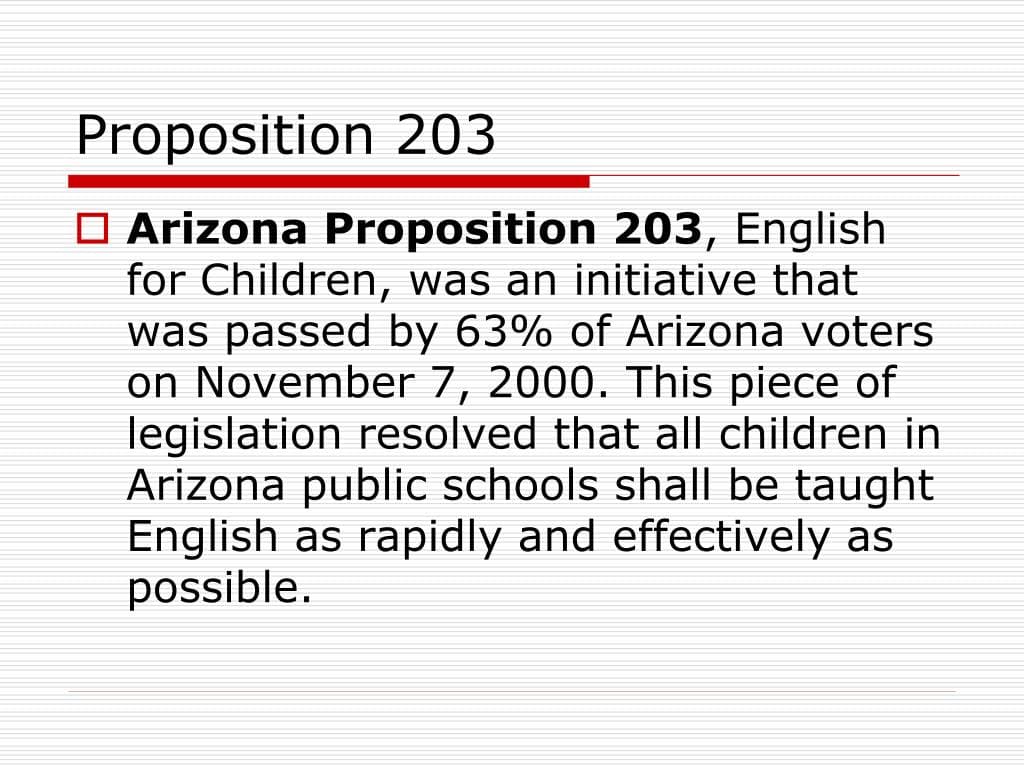
The Arizona Supreme Court on Jan. 12, 2026 refused to revive State Superintendent Tom Horne’s legal effort to enforce Proposition 203, ruling he lacks the legal standing to sue school districts over their use of alternative English-learning models. In a brief order the court declined to disturb lower-court rulings that had already found Horne could not act as a statewide litigator to police how schools teach students who are not proficient in English.
Proposition 203, a voter-approved measure from 2000, prescribes how English must be taught to students lacking proficiency. The high court’s decision preserves the division of authority: enforcement and oversight remain with the State Board of Education rather than concentrated in the superintendent’s office. That outcome tightens the procedural path for future disputes over instructional models, pushing conflicts toward administrative review and board-level processes rather than courtroom enforcement by an individual official.
For Yuma County, a border and agricultural community where many families speak languages other than English at home, the ruling carries immediate practical implications. School districts that have adopted bilingual instruction, dual language programs, or other alternative approaches now face a lower risk of being targeted by litigation initiated by the superintendent. That can reduce legal costs and the diversion of district resources away from classroom supports, nutrition programs, school-based health services, and mental health counseling that students and families rely on.
Public health and social equity are tied to this education ruling. Stability in classroom instruction and fewer high-profile legal battles can reduce disruptions that affect student attendance, academic progress, and access to school-linked services such as vaccinations, counseling, and referrals to community clinics. For immigrant and farmworker families in Yuma County, decisions about language instruction are also decisions about inclusion, access to information, and long-term economic and health outcomes for children.
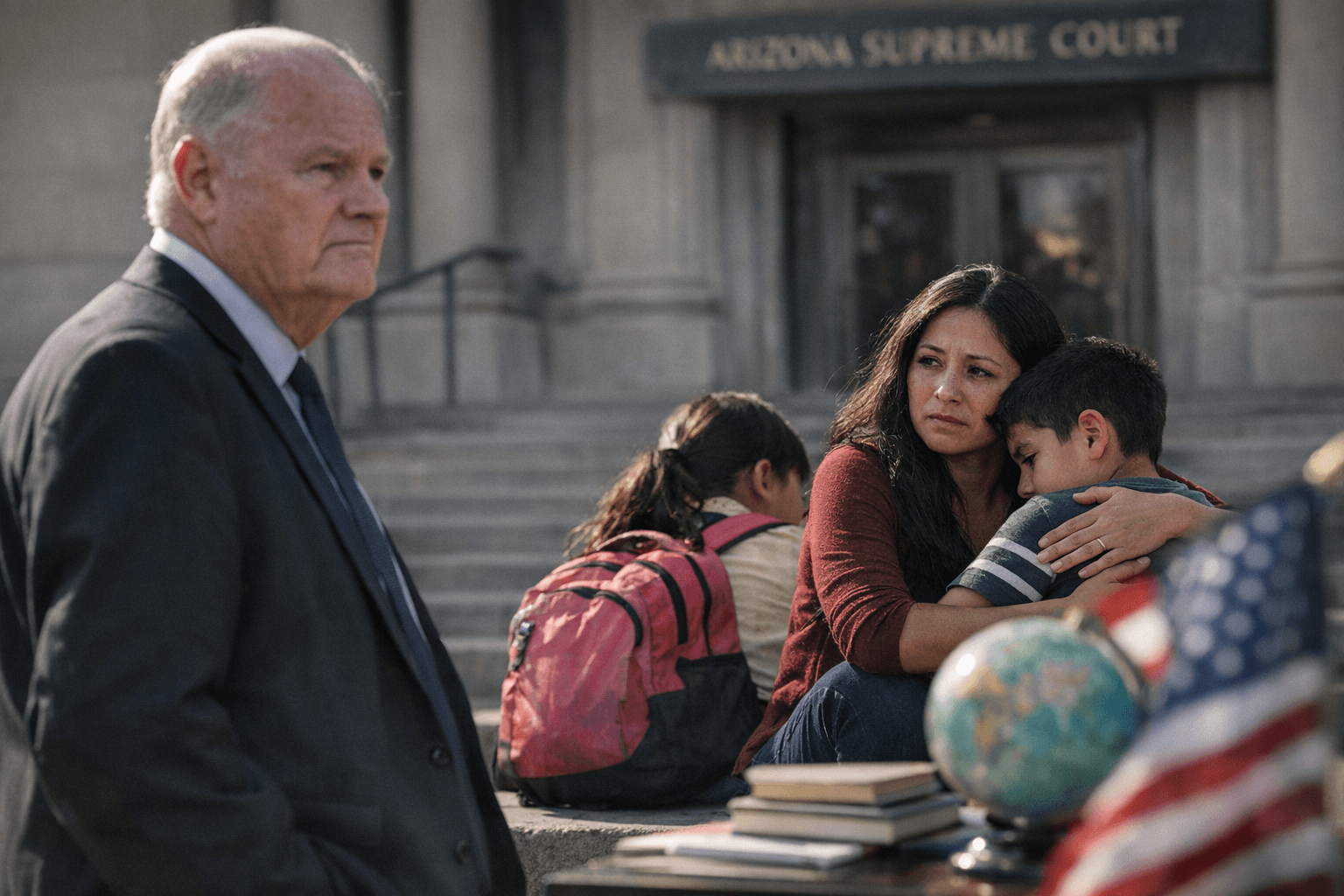
The path forward now centers on the State Board of Education and local school boards. Districts that want to change or defend their English-learning approaches must work through administrative channels and board policies. Community members, parents, teachers and health providers who want to influence those decisions should engage with school board meetings and state board rulemaking processes as they unfold.
This decision narrows one route of enforcement but does not settle underlying debates about the best ways to teach English learners. For Yuma residents, the practical next steps are clear: watch for State Board of Education actions, stay involved in local school governance, and press for policies that protect stable instruction and the health and equity of students who are learning English.
Sources:
Know something we missed? Have a correction or additional information?
Submit a Tip