Arizona Moves to Create Ranegras Plain Groundwater Protections Amid Fondomonte Lawsuit
ADWR announced on Nov. 5 it had begun work to create an Active Management Area in the Ranegras Plain; residents say January actions delivered the basin’s first groundwater protections.
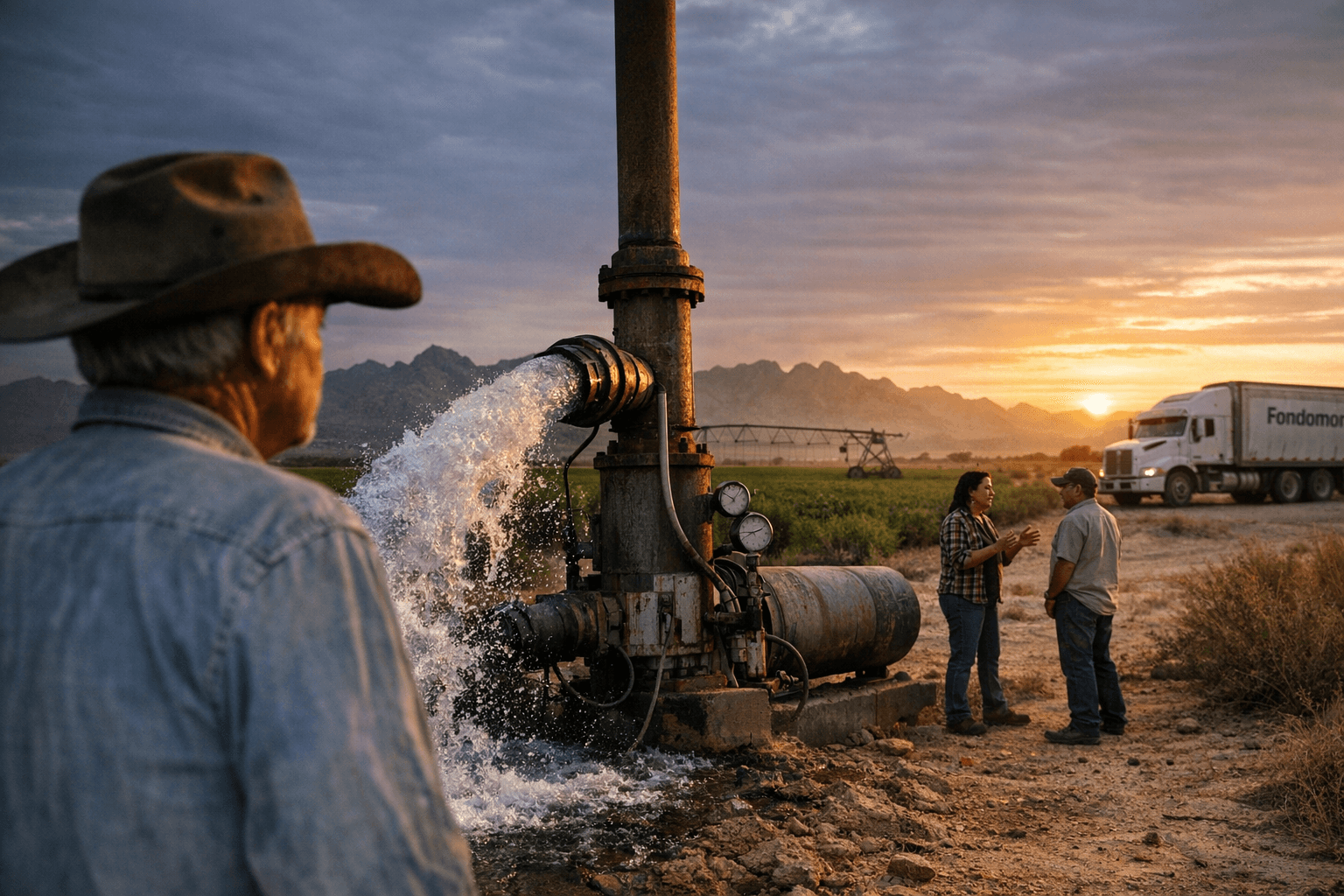
The Arizona Department of Water Resources announced on Nov. 5 that it had begun work toward creating an Active Management Area in the Ranegras Plain groundwater basin, a procedural step that Vitalsigns and the Environmental Defense Fund described as the first groundwater protections for the basin and EDF later called a major, long‑sought step. Local officials and advocates say the move follows years of falling wells, sinking land and depleted aquifers in eastern La Paz County.
Attorney General Kris Mayes sued Fondomonte Arizona in late 2024 under the state’s public nuisance law, alleging the Saudi‑owned alfalfa grower’s pumping led to declining water levels and quality, dry wells and subsidence that “threaten the survival of the Ranegras Plains Basin.” Fondomonte has asked a court to dismiss the suit, arguing the claim is essentially a dressed‑up attempt at groundwater regulation that falls under the Groundwater Management Act and into the hands of ADWR. A Fondomonte spokesperson declined to comment.
If ADWR finalizes an AMA, the agency could impose monitoring requirements, groundwater pumping limits for large users, conservation goals and annual water‑use reporting that is not public today. AzCentral reported that an approved AMA would make Ranegras the eighth AMA in Arizona and the second created during Governor Katie Hobbs’s administration; ADWR rules could also allocate water rights based on historic use, which AzCentral said would grant Fondomonte some of the most generous water rights in the basin.
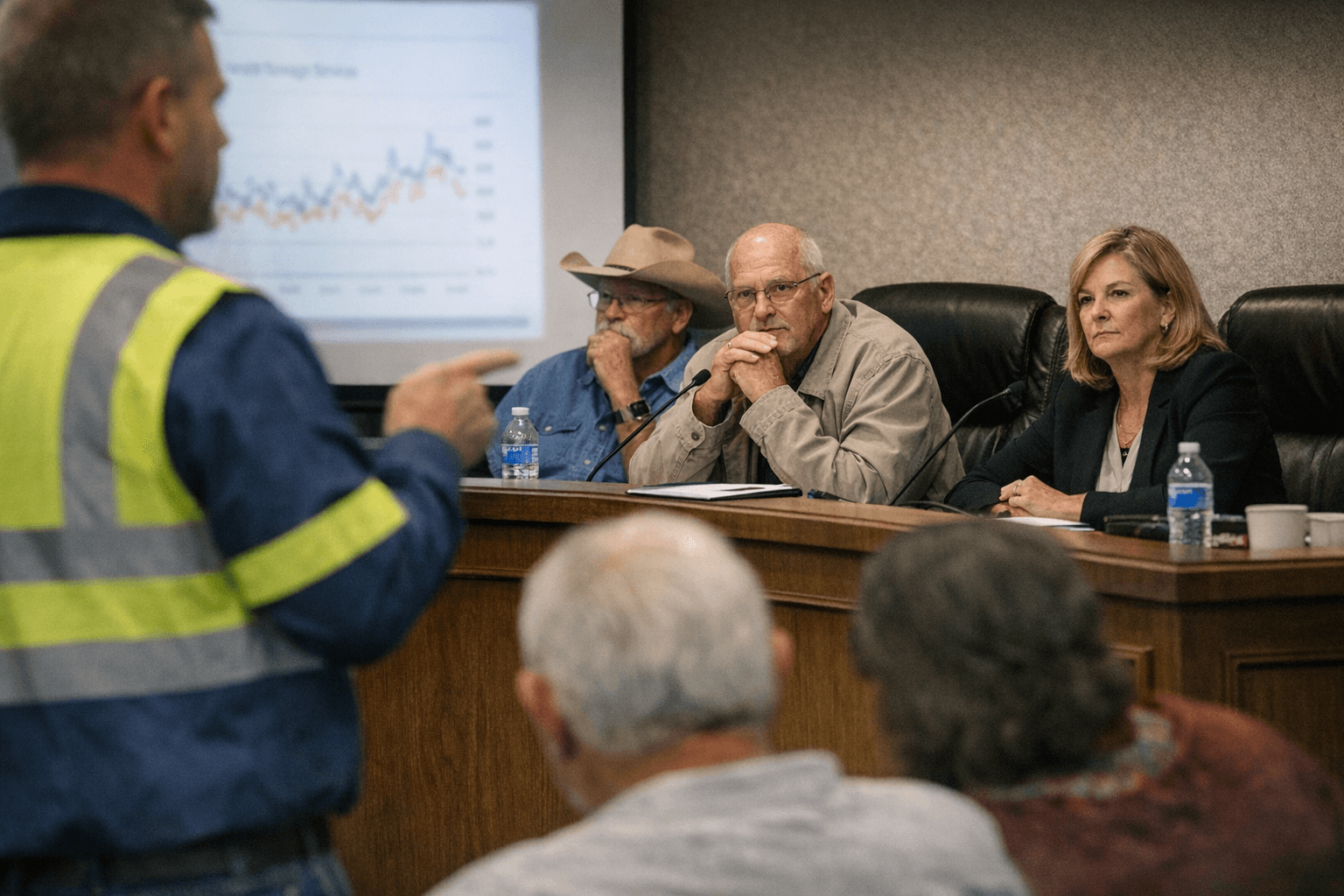
Local officials credited the governor’s attention and ADWR’s action for breaking a decade of stalled legislative efforts. La Paz County Supervisor Holly Irwin, who has worked on groundwater issues for roughly ten years and has served nearly 17 years as a supervisor, said the move validated “all the blood, sweat and tears for a decade” and thanked Governor Katie Hobbs and ADWR Director Tom Buschatzke. Irwin also told reporters that residents “watched our wells drop and our future get pumped away while we asked the State Legislature to act,” a complaint that helped drive local support for administrative protections after two legislative sessions failed to produce a rural alternative to AMAs.
Pastor Carroll E. Miles of the Baptist Church of Vicksburg tied local impacts to Fondomonte drilling, saying the church’s well ran dry about a decade ago soon after the company began drilling additional deep wells. Miles told the governor’s office, “Small communities like ours have been at the mercy of out‑of‑state, corporate interests that come to rural Arizona to exploit our water supplies at our expense. This issue has been ignored for far too long, and I'm grateful that ADWR and the Governor are taking steps to put in place the protections that we need.”
Reporting by AzCentral notes Fondomonte’s irrigation practices include subsurface drip irrigation and pivot irrigation, according to High Country News reporting four years ago. The state action follows an EDF analysis on Feb. 27, 2026 that framed the Ranegras designation as part of a wider acceleration of protections after more than 40 years of state inaction; Vitalsigns said “this January” residents “did achieve something close to a miracle” by securing the basin’s first protections.
Next steps include ADWR’s rulemaking process to define monitoring, reporting and conservation requirements and the pending court proceedings on the AG’s nuisance suit and Fondomonte’s motion to dismiss. The outcome of the AMA process and the litigation will determine whether monitoring data, pumping limits and annual water‑use figures become enforceable tools for protecting the Ranegras Plain and the thousands of residents in La Paz and adjacent Yuma County who rely on its groundwater.
Know something we missed? Have a correction or additional information?
Submit a Tip