Arrest in 1997 Peaches case raises questions for Suffolk cold cases
A man arrested in December appeared in Mineola seeking a second defense attorney; Suffolk prosecutors say no related charges at this time.

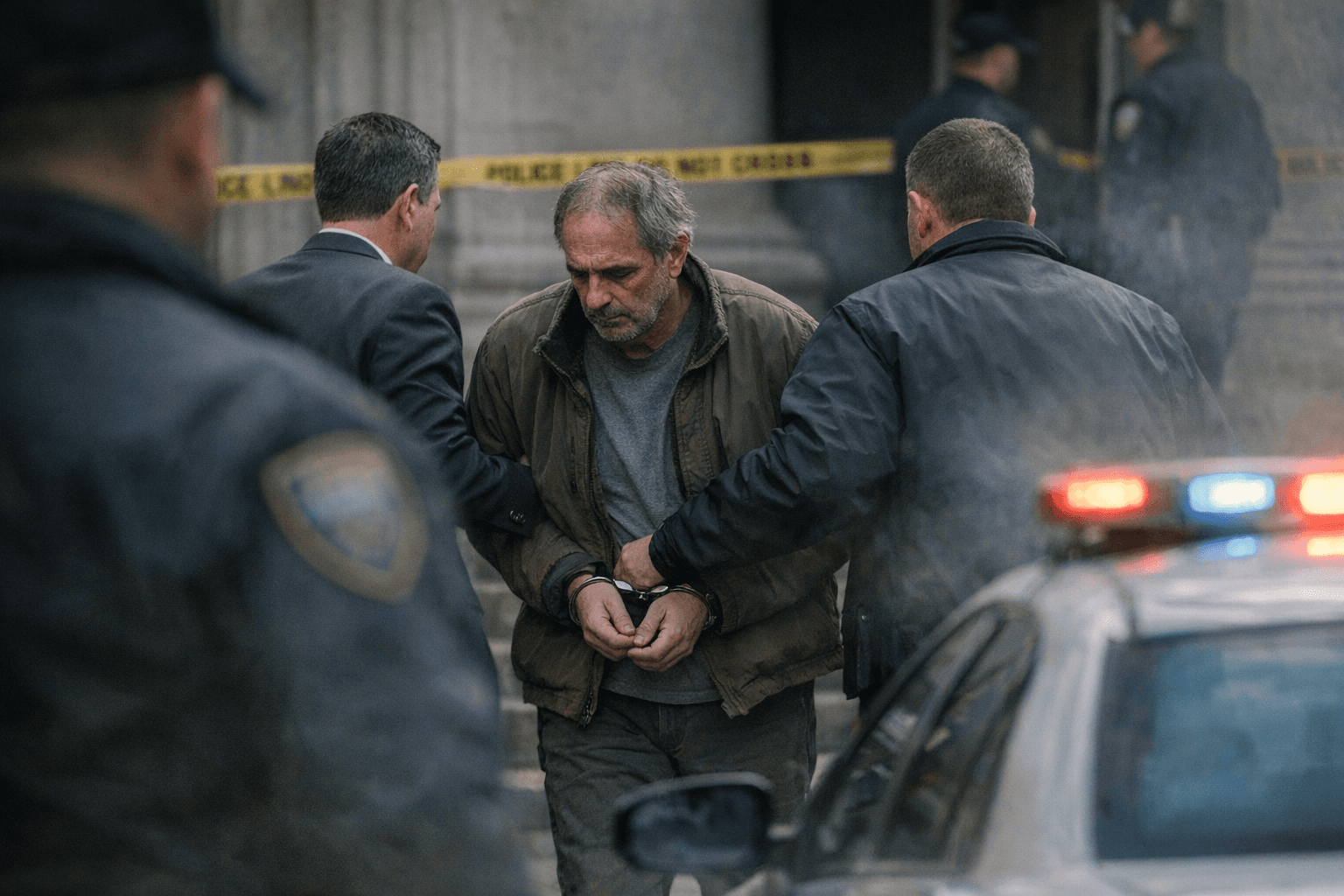
Andrew Dykes, 66, of Ruskin, Florida, made a brief appearance in Nassau County court on Jan. 15 seeking to add a second defense attorney in the decades-old killing of a woman long known as "Peaches." Dykes, a U.S. Army veteran and former Tennessee state trooper arrested in December, has pleaded not guilty to charges tied to the 1997 death of Tanya Denise Jackson, who was identified in 2025.
Prosecutors have said Dykes' DNA was reportedly linked to evidence recovered at the 1997 scene, a development that prompted renewed attention across Long Island where investigators have spent years reexamining cold cases. The Mineola hearing focused on procedural matters; court filings and motions related to defense counsel were the central actions on the docket during the appearance.
The arrest and the reported DNA connection have reverberated in Suffolk County because investigators and prosecutors there have been reviewing potential links between separate cold cases and victims found along Long Island shores, including those associated with the Gilgo Beach investigations. Suffolk County District Attorney Ray Tierney said there would be no charges in Suffolk tied to the Dykes matter at this time and declined further comment, leaving open the possibility that evidence could prompt additional inquiries.
Dykes' background as a veteran and former state trooper will be part of the case record as proceedings move forward in Nassau County. Legal teams in both counties face the task of sorting through evidence that spans decades, including testing protocols, chain-of-custody questions, and the implications of modern DNA technology applied to legacy material. For families of victims and residents, the case underscores how cold-case work can intersect with active prosecutions and the complexities that follow when new forensic links are reported.
Locally, the developments highlight institutional issues that matter to Suffolk voters: interagency coordination, transparency from prosecutors, and the pace at which cold-case evidence is reviewed and released. The county's role remains investigatory and contingent on what Nassau prosecutors develop; residents seeking clarity about community safety and case status will be looking to both county offices for updates.
What comes next are likely pretrial motions and evidentiary hearings in Nassau, while Suffolk detectives continue to assess whether any of their open inquiries are affected. For readers in Suffolk County, the case is a reminder that long-dormant files can be reactivated by advances in forensics and that municipal prosecutors and law enforcement must communicate clearly about where responsibility and jurisdiction begin and end.
Sources:
Know something we missed? Have a correction or additional information?
Submit a Tip