Art Basel bets on digital art with new Zero 10 exhibition
Art Basel’s Zero 10 put digital art beside its blue-chip fair, with Beeple, Lu Yang and William Mapan signaling a market that is moving beyond screens to serious money.
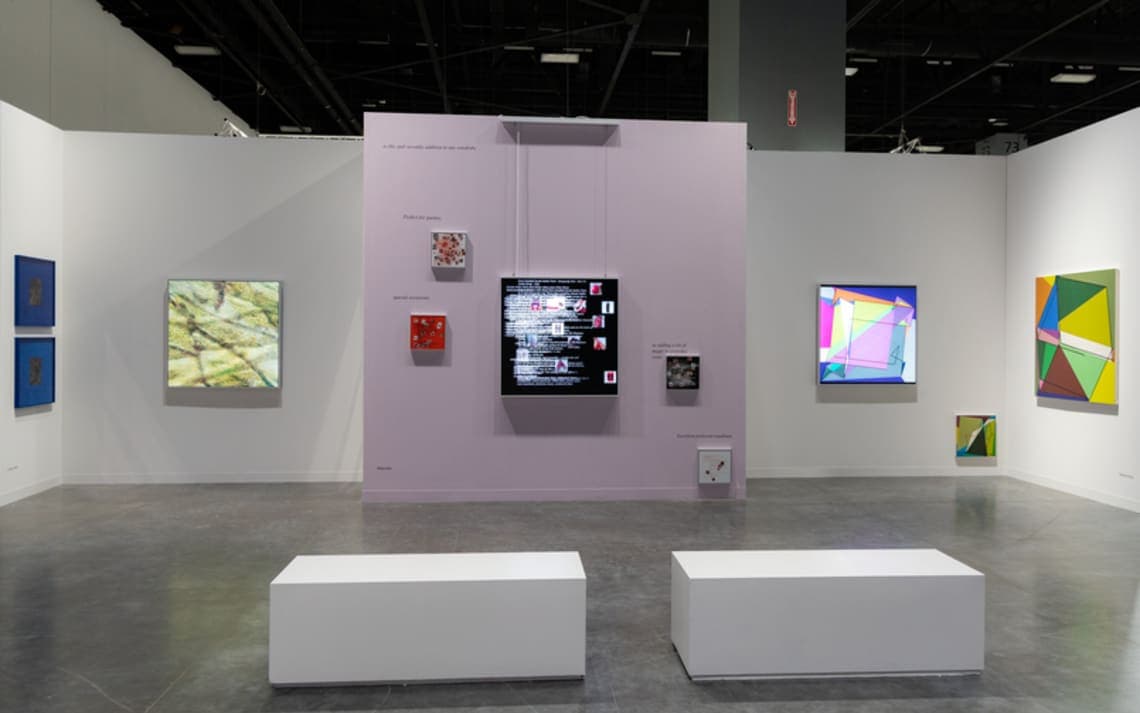
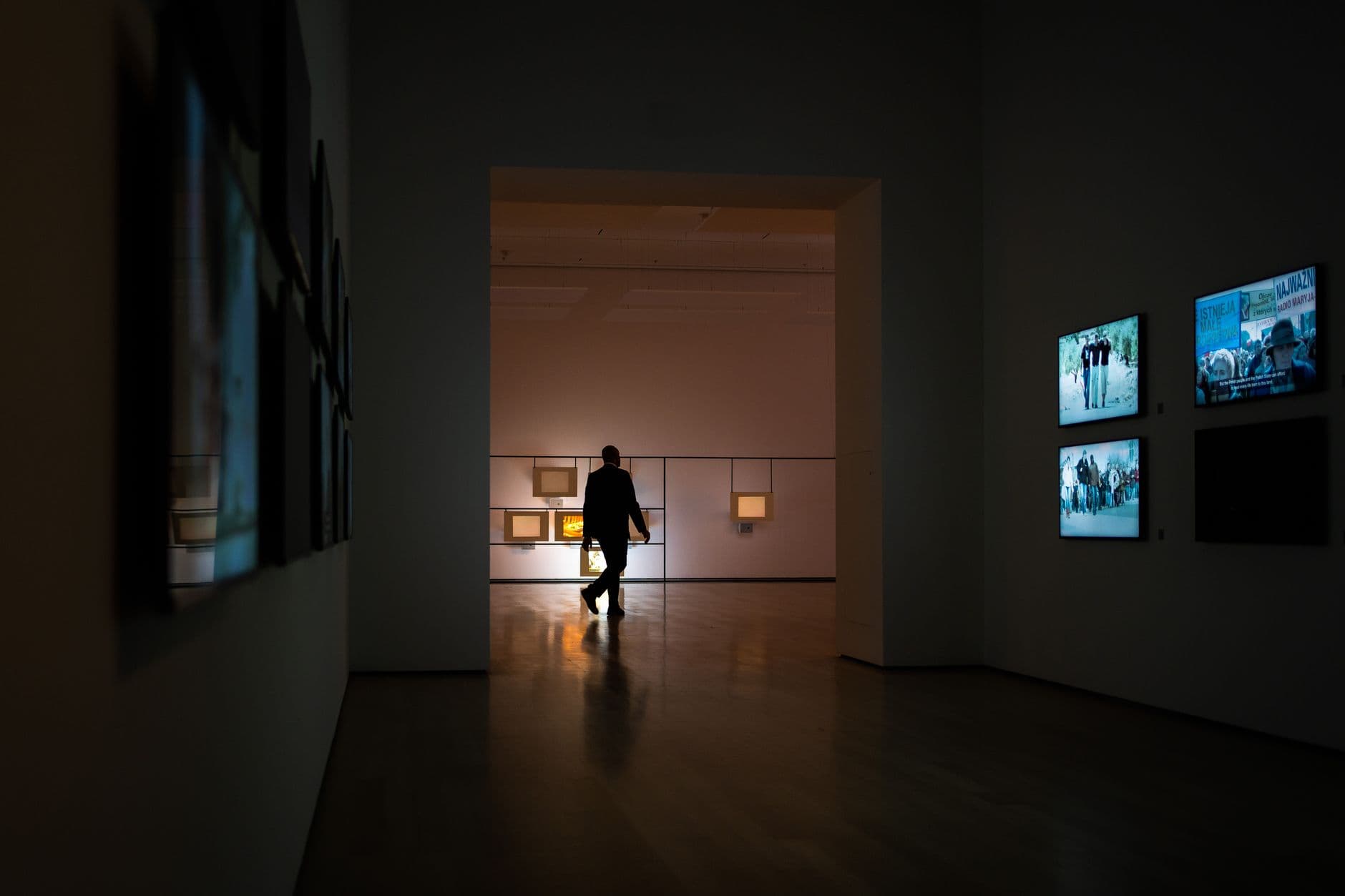
Art Basel made its sharpest bet yet on digital art, opening Zero 10 as a dedicated space for works built with screens, software, code and artificial intelligence. The new exhibition sat across from the fair’s traditional paintings and sculpture sections in Basel, a deliberate placement that framed digital work as part of the main market rather than a side show.
Zero 10 had first debuted at Art Basel Miami Beach 2025 with 12 international exhibitors and was set to expand to select Art Basel fairs in 2026, including Hong Kong. Curated by digital art strategist Eli Scheinman and backed by OpenSea as an official partner, the initiative was named in homage to Kazimir Malevich’s 1915 0,10 exhibition in Petrograd, which Art Basel cast as a foundational break with the art language of its era.
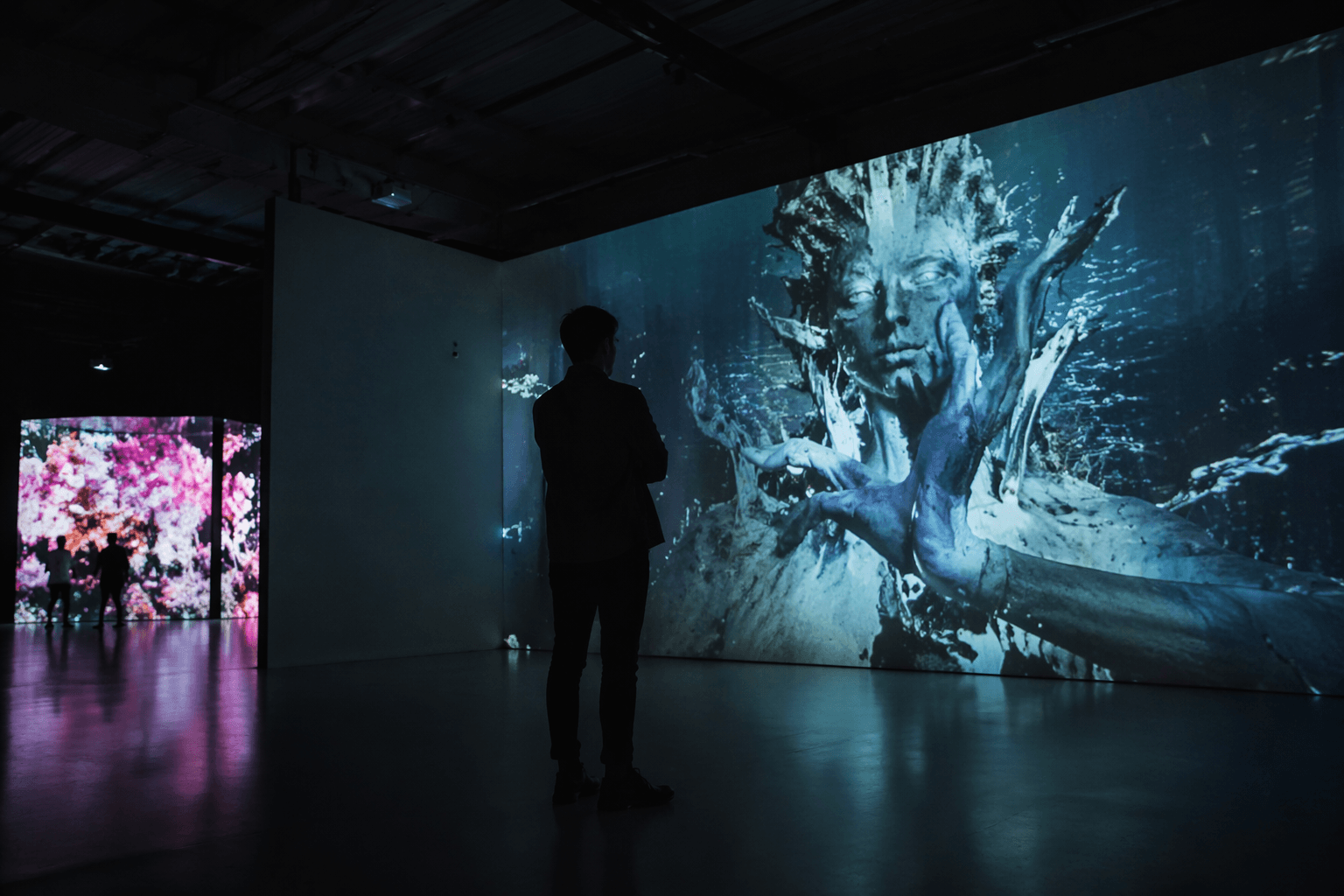
The Miami debut showed how broad the category has become. It included Beeple’s interactive robot-dog installation and a loaned immersive video work by Lu Yang from the UBS Art Collection. By placing Zero 10 opposite the Meridians sector, Art Basel tried to force a conversation between analog and digital art, and between established collectors who still buy on pedigree and newer buyers who came of age on screens.
The market data suggests the experiment is no longer speculative. The Art Basel and UBS Global Art Market Report 2026 said digital art accounted for 3% of the global art market in 2025, up from 1% in 2024, even as total sales rose 4% to $59.6 billion. Dealer sales increased 2% and public auction sales climbed 9%, although the market remained below its 2022 peak and still faced tariff, protectionism and cross-border trade risks.
Collector behavior is shifting too. In the Art Basel and UBS Survey of Global Collecting 2025, 51% of 3,100 high-net-worth respondents across 10 markets said they bought a digital work in 2024 to 2025, and Gen Z collectors showed the highest participation in digital art and film and video art. The same survey found that high-net-worth collectors allocated an average of 20% of their wealth to art collections in 2025, up from 15% a year earlier, while 40% said they planned to buy more art in the next 12 months and 23% named digital art among their intended purchases.
The challenge now is durability. Digital works can depend on formats, software and technical instructions that may not survive untouched, which has pushed conservation, cataloging and maintenance to the center of collecting. William Mapan’s coding-based paintings, which had drawn little attention for years, sold out within the first hour at the opening, a sign that the market is moving past curiosity and toward long-term demand.
This article was produced by Prism’s automated news system from verified source data, official records, and press releases, then run through automated quality and moderation checks before publishing. The system is built and supervised by the people who set the standards it runs under. Read our full AI policy.
Did this article answer your question?