Asheville faces $30 million budget gap, tax hikes likely
Asheville projects a $30 million gap for fiscal 2026-27, likely prompting property tax and fee increases that will affect household affordability and city services.
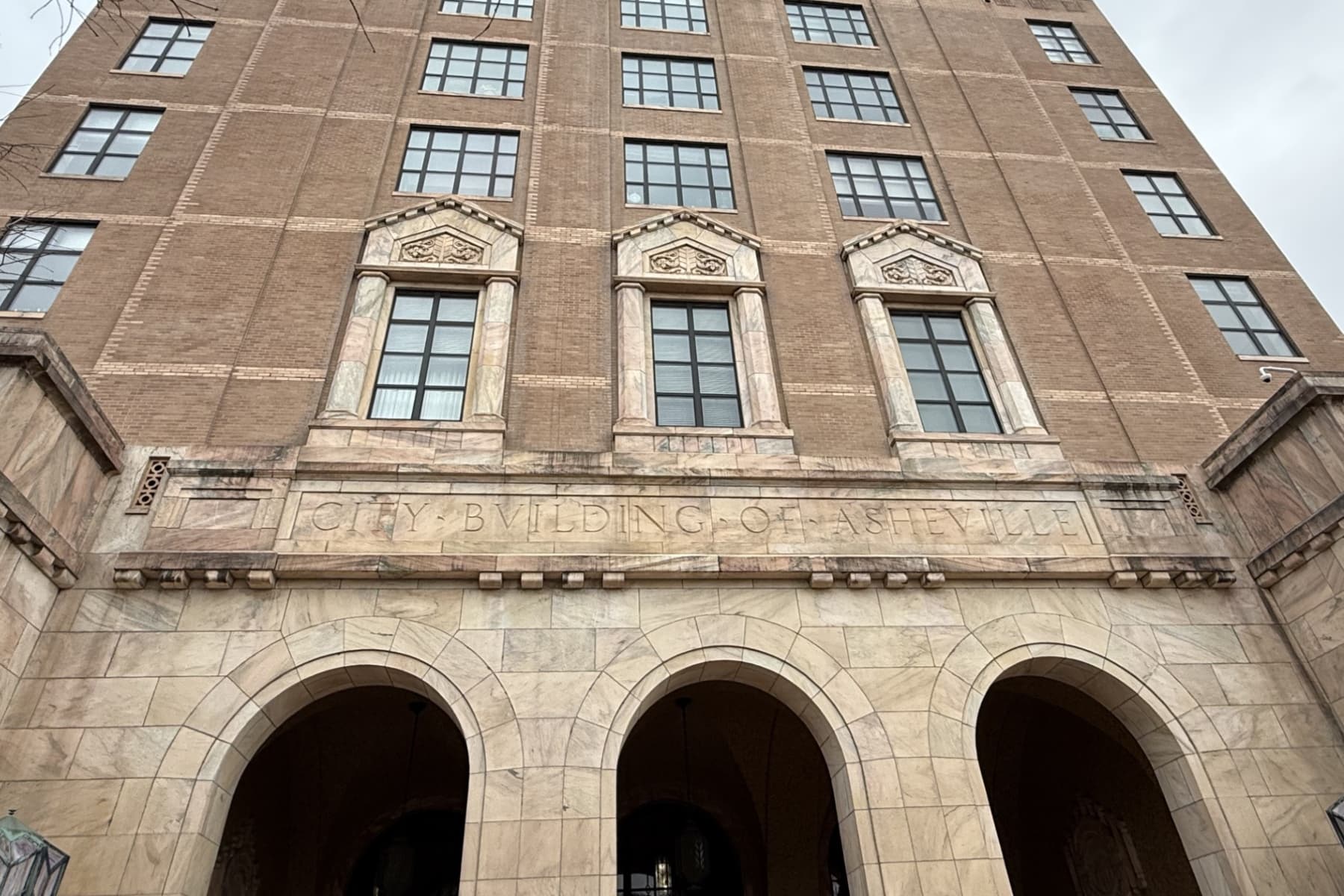
Asheville city staff told City Council at a January 14 work session that the city faces an estimated $30 million shortfall between revenues and expenses for fiscal year 2026-27, setting the stage for contentious budget choices that will affect property owners and service levels across Buncombe County.
Lindsay Spangler, Asheville’s budget and performance manager, described the $30 million as an early projection but said multiple near-certain cost drivers will push expenses substantially higher. The largest factor is debt service on $80 million in bonds voters approved in 2024 for parks, affordable housing, transportation and public safety. Spangler said the city had postponed a larger tax increase this year to absorb Hurricane Helene impacts and now estimates the bond payments would require a tax increase of 2.58 cents per $100 of assessed value, roughly a 5.8 percent rise over the current rate of 44.19 cents per $100.
Spangler outlined additional pressures that deepen the gap: about $5.5 million in higher employee health care costs, roughly $3 million in increased funding for bus services, and $1.8 million for security at community centers. Several one-time actions that helped balance last year’s budget cannot be repeated, she said, including a $5 million loan from the Federal Emergency Management Agency and a $2.6 million drawdown of financial reserves.

The projection does not include any potential new spending priorities that Council has discussed, such as cost-of-living increases for municipal employees or the addition of another shift at the Asheville Fire Department — a proposal Council signaled support for during the last budget cycle. Spangler warned that even maintaining current services would likely require higher property taxes and increased city fees.
Council member Maggie Ullman described the coming budget as the most difficult she has faced since joining the body in 2022 and emphasized the local affordability squeeze facing many residents. She pledged to minimize the impact of any tax increases while the Council evaluates options.

For residents, the immediate implications are concrete: homeowners and businesses could see property tax bills rise, transit service improvements may need dedicated funding, and investments tied to the 2024 bond package will mean ongoing debt service. The limits on using last year’s one-time fixes reduce short-term flexibility and increase the likelihood that Council will weigh a mix of fee adjustments, spending reductions, and tax increases during the public budget process.
City Council has opened public budget planning; councilors will need to reconcile voter-approved capital commitments with operating realities in coming weeks. Residents should expect formal budget proposals, public hearings and decisions that will determine the shape of municipal services and property tax bills for the year ahead.
Sources:
Know something we missed? Have a correction or additional information?
Submit a Tip