Asheville Launches Urban Forest Master Plan Engagement, Announces March 21 Workshop
Asheville has opened public engagement for its first Urban Forest Master Plan; an NC Arbor Day workshop will run two hours on Saturday, March 21, 2026, with free tree seedlings and the online survey closes March 27.
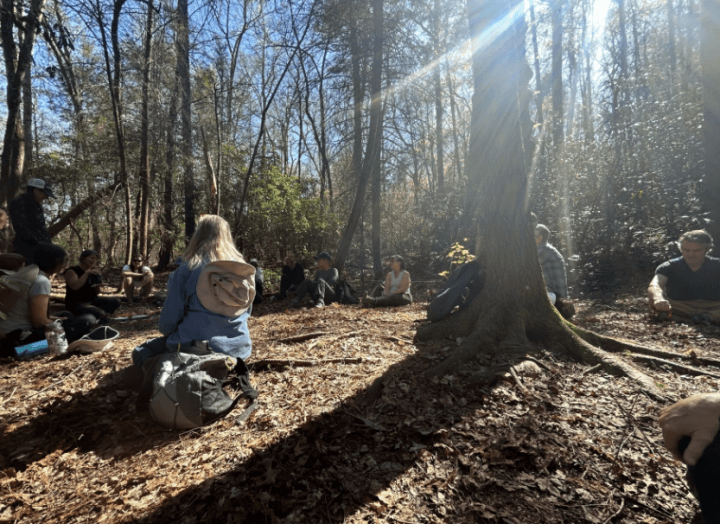
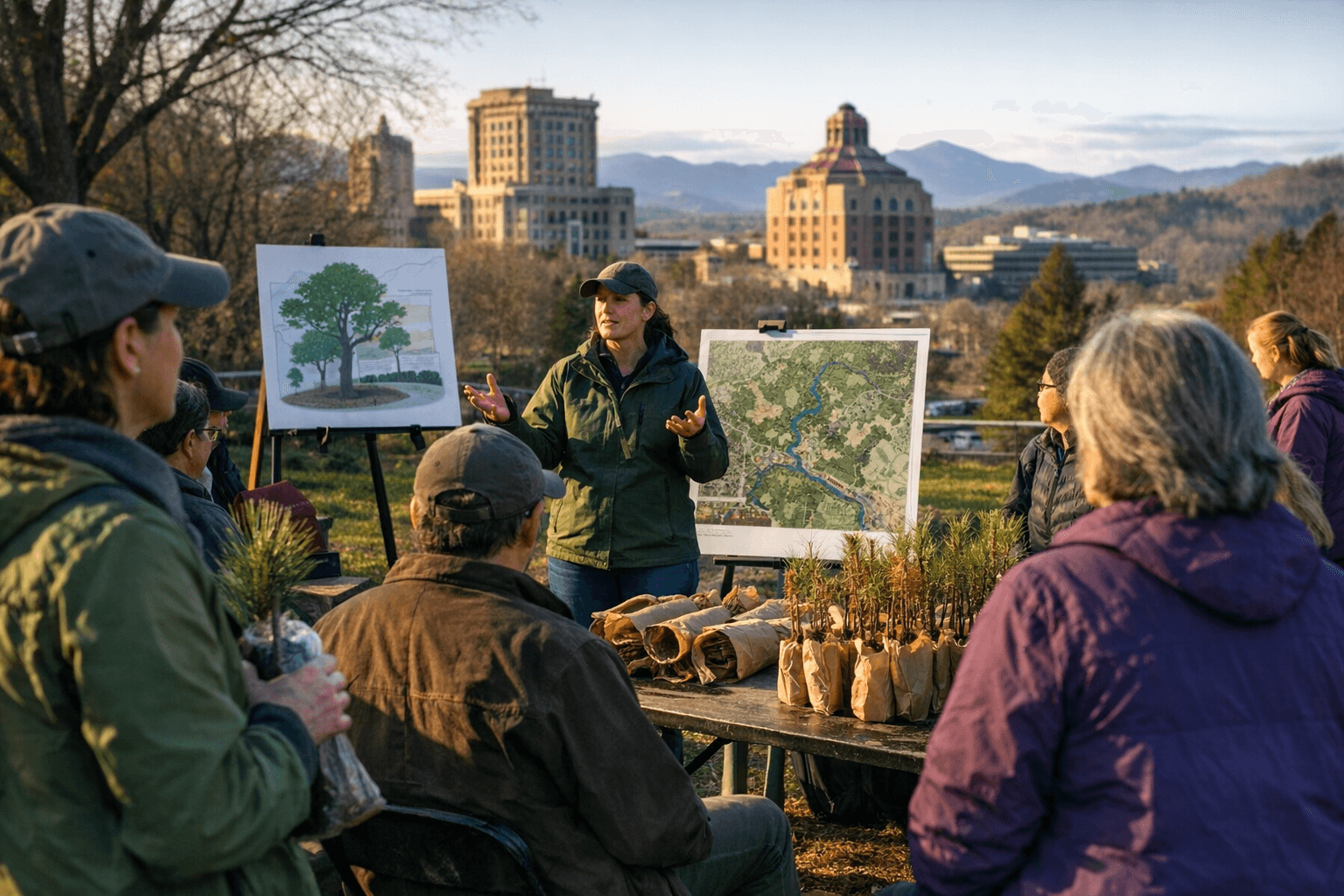
The City of Asheville has launched public engagement for its first-ever Urban Forest Master Plan and will host an NC Arbor Day workshop on Saturday, March 21, 2026, a two-hour session that will include a short informational presentation, roundtable discussions and free tree seedlings. The city is also running an online survey that will remain open for community submissions through March 27, 2026.
Keith Aitken, Urban Forester with the City’s Planning and Urban Design department, framed the outreach as a civic moment: “Asheville’s urban forest is integral to the quality of life, environmental health and beauty of our region. This survey is an opportunity for everyone in our community to share their voice and help shape the vision for our green canopy. We hope the public will take a few minutes to participate in the survey, and learn more about 2026 engagement opportunities on the project website.”
City officials invited residents, nonprofit leaders, business owners and community stakeholders to complete the online survey as a critical component of the UFMP development process. The survey is intended to identify community priorities, values and concerns regarding the urban forest and to guide future policy, resource allocation and management strategies as the master plan is drafted.
Blue Ridge Public Radio reported the UFMP engagement was restarted after a long hiatus, noting that since September the city has worked on the first phase of a relaunch that included stakeholder outreach and setting up the project webpage. BPR said the city launched the community engagement phase with a public survey in November, planned a virtual meeting in January 2026, and scheduled March workshops, and it reported that most survey respondents so far are in their 60s, prompting city staff to say they will prioritize outreach through city schools to reach younger residents.
The UFMP rollout arrives amid a high-profile local conservation debate over a 45-acre parcel on the UNC Asheville campus at the corner of W.T. Weaver Boulevard and Broadway. The Tree Protection Task Force and Save the Woods have described the site as “one of the largest and last remaining intact urban forests within city limits,” and Align Asheville, a group of local healthcare practitioners, urged UNCA to “make the only right choice to protect the irreplaceable 45-acre urban forest that serves as one of our city's last remaining woodland sanctuaries.” Align Asheville also said, “We commend Save the Woods for their grassroots efforts to protect Asheville’s urban forests... The spirit of collaboration is key to all conservation triumphs. Together, we are stronger, more resilient, and more capable of shaping a sustainable future for both our people and our planet.”
Regional planning context includes Buncombe County’s Helene Recovery Plan, adopted November 18, 2025, which launched 114 projects and explicitly lists tree canopy preservation and renewal among wildfire prevention and stream bank stabilization efforts. Mayor Esther Manheimer commented that the county plan “not only gets us back to the amazing city that we were before, but it outlines how our community can expect us to build on that,” and Town of Biltmore Forest Town Manager Jonathan Kanipe said, “If there’s one thing we’ve learned since the storm, it’s that we’re stronger together.”
Practical details for participation: the Arbor Day workshop is set for Saturday, March 21, 2026, the survey closes March 27, 2026, and the city lists event schedules and engagement opportunities on its official trees page. City messaging frames the UFMP as “a comprehensive roadmap for the sustainable management, protection and enhancement of Asheville’s urban forest for decades to come,” and BPR summarized the plan goal as “a roadmap of community-influenced recommendations to support a sustainable, resilient urban forest that thrives into the future.”
Know something we missed? Have a correction or additional information?
Submit a Tip