Asheville shooting victim sues Airbnb, homeowner; NC Court of Appeals to hear
Marcus Deshon Blair, shot four times at a West Asheville Airbnb party in 2022, sued Airbnb and the homeowner; the NC Court of Appeals will weigh whether the company can be sued here.

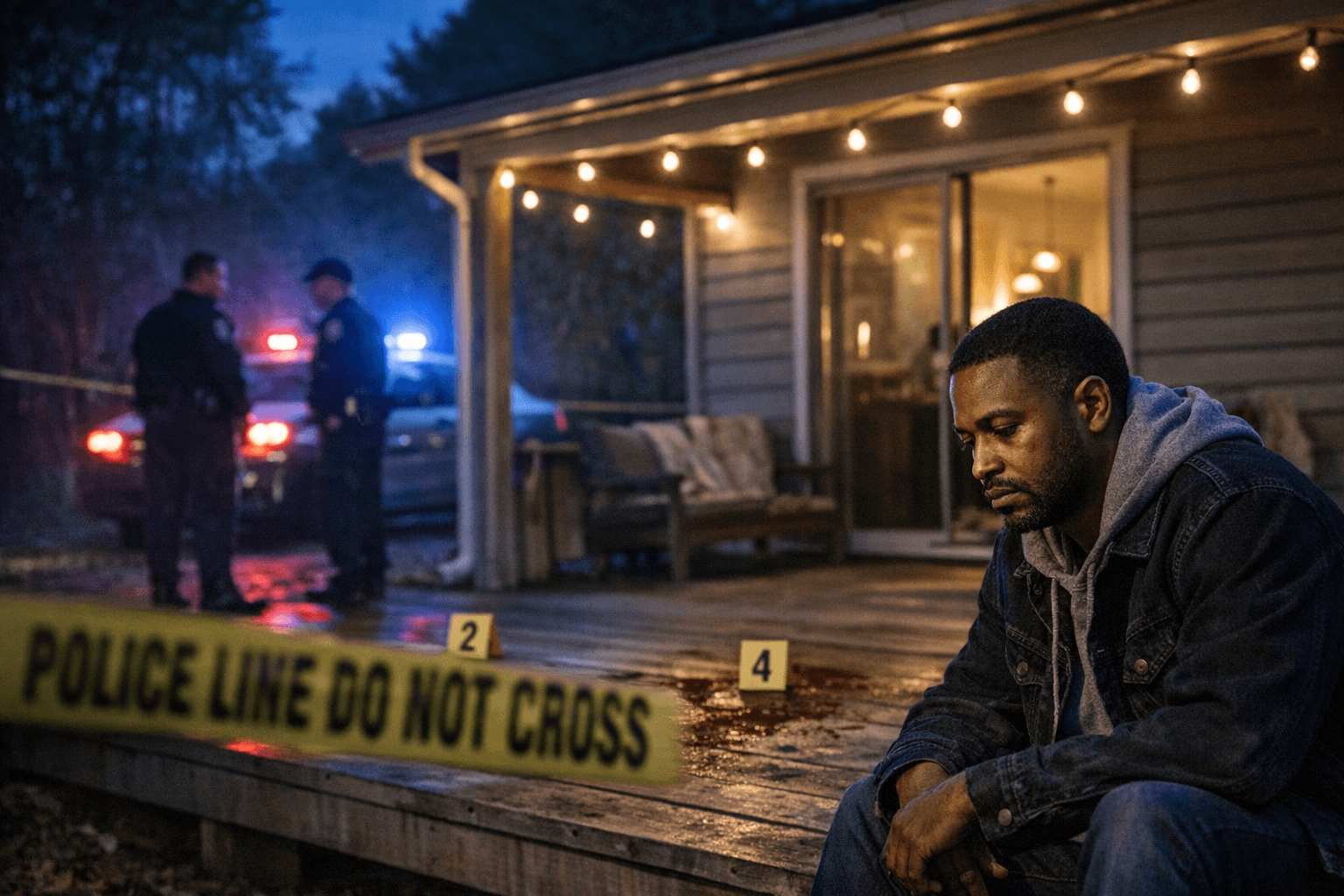
Marcus Deshon Blair was shot four times at a West Asheville short-term rental party and later sued Airbnb and the property owner, arguing the company and owner ignored local rules and their own policies. The complaint says the Jan. 9, 2022 gathering at 11 West Oakview Road left Blair paraplegic and “catastrophically injured,” and it seeks more than $25,000 in damages as well as punitive damages and legal fees.
Blair filed the lawsuit in Buncombe County Superior Court on Jan. 8, 2025 against Airbnb, Inc. and the homeowner identified in filings as Martin Ford. Court papers allege the home was rented to celebrate a 21st birthday and that approximately 60 people attended the party when a gunman “fired multiple gunshots into a crowd of attendees,” injuring Blair. The complaint names the renter as Marjani Smith and notes a government ID with a Jan. 9, 2001 birth date, which the suit says put the renter under 25 at the time and in violation of Airbnb’s global ban on “high-risk” bookings for people under 25.
The complaint includes broader allegations about the platform’s role in Asheville’s short-term rental market. A passage quoted from the filing states: “Upon information and belief, Airbnb were aware of, participated in, and/or monitored the development, implementation, community debate, city council meetings, and/or enactment of the City of Asheville's short‑term rental ban and homestay rules, regulations, and/or permitting requirements in or before 2018 and were aware of same prior to January 9, 2022, the date on which Plaintiff was catastrophically injured at the property during an Airbnb party.” Plaintiff counsel has argued the suit seeks to show Airbnb is “actively assisting, aiding and abetting persons utilizing its short‑term rental service to thwart and get around the requirements of various local ordinances,” Hinnant said.
Procedurally, Airbnb asked a judge in May 2025 to dismiss the case for lack of personal jurisdiction and moved to compel arbitration, arguing the company is California-based and its contacts in North Carolina are limited to its website. A Buncombe County Superior Court judge denied the jurisdictional dismissal and the motion to compel arbitration. The North Carolina Court of Appeals is set to consider those rulings, a step that could determine whether platform-level claims against Airbnb can proceed in state court here.
The case matters for Buncombe County beyond one injured resident. Asheville has had strict short-term rental rules since 2018, with most vacation rentals banned outside the resort zoning district while homestays remain permitted. The appeals court decision could influence liability exposure for platforms, homeowner hosts, and local enforcement strategies. Increased litigation risk may affect insurance costs for hosts, listing availability in tight neighborhoods like West Asheville, and the local short-term rental market that feeds visitor accommodation supply and related tax revenue.
What comes next is a legal test with economic stakes: the Court of Appeals will address personal jurisdiction and arbitration questions that could shape who pays for harms tied to rental-party incidents. Local hosts, policymakers, and residents should watch the appeal for its implications on enforcement, platform accountability, and the costs of hosting in Buncombe County.
Know something we missed? Have a correction or additional information?
Submit a Tip