Ashnymph debut EP fuses post-punk melodies with Krautrock drive
Ashnymph's debut EP turns post-punk into a club-ready blur, pairing reverb-soaked vocals with Krautrock pulse and industrial grit.
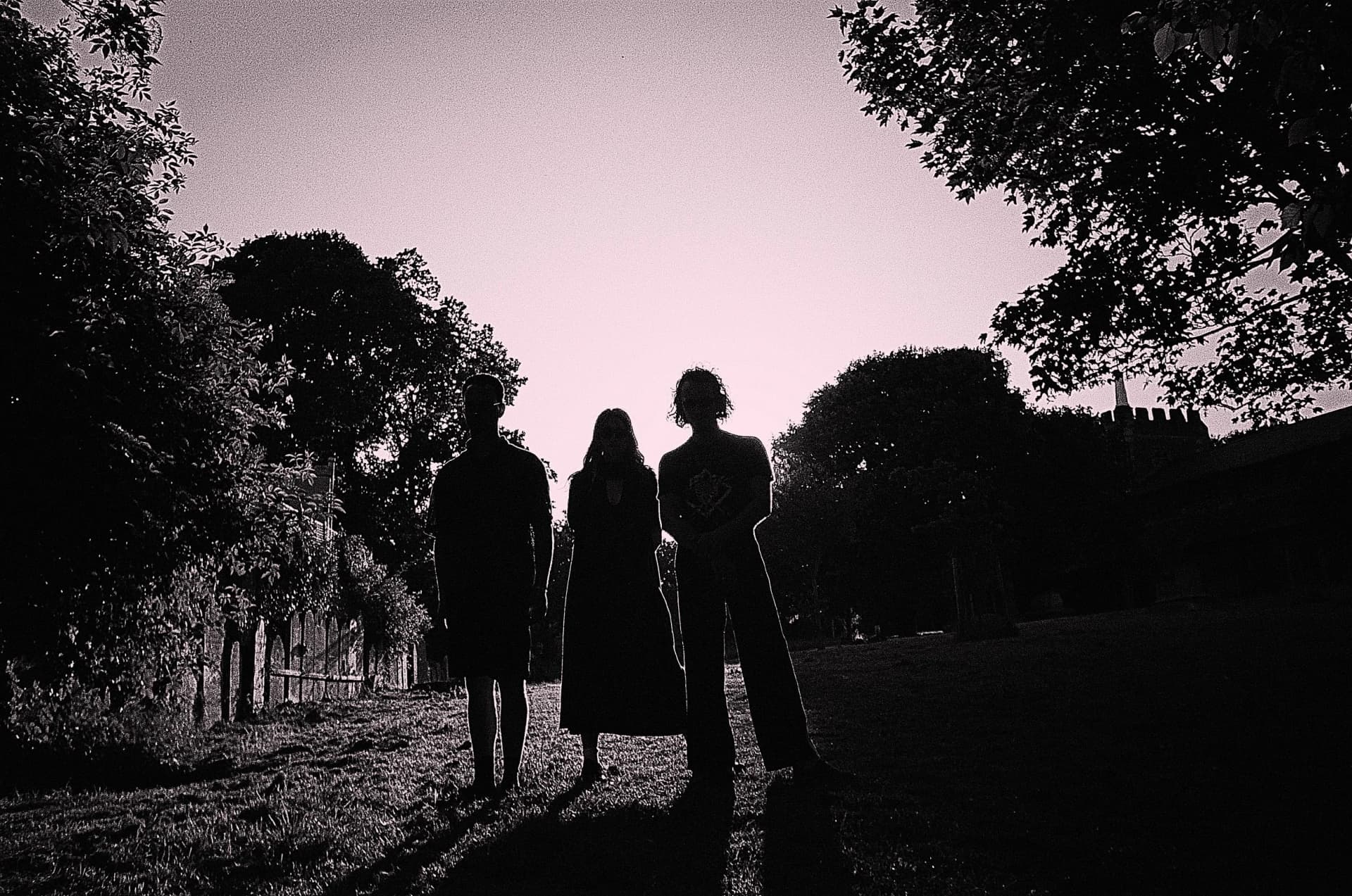
Ashnymph’s debut EP, Childhood, does not ease in gently. It opens a door between post-punk melody and machine-like momentum, then keeps pushing with four-on-the-floor pressure, reverb-heavy vocals and a layer of industrial grime that makes every hook feel wired for movement. The London trio have built a sound that is as much about propulsion as atmosphere, and that balance is what makes the record stand out now.
A trio shaped by distance, then sharpened in London
Ashnymph are a London-based trio formed in 2025, but the group’s members arrived there from different corners of England. Will Wiffen, who handles vocals, guitar and keyboards, is from Bridlington in East Yorkshire. Jonny Pyke, the drummer, is from Cambridge, while Ciera Lucia, also referred to as Lucy, plays bass, sings and adds keyboards, and lives in Brighton. Wiffen and Lucia became friends at university about 10 years before the band began attracting attention, which gives the project a longer personal history than its recent public timeline suggests.
That background matters because Ashnymph did not emerge as a polished studio invention. In interviews, the band said it had only been playing together for about six months as of July 2025, yet it had already been writing and trying ideas for more than a year. By the time the trio started to surface publicly, they had already shared bills with YAANG, Formal Sppeedwear and Tommy Barlow, a useful clue that their rise has come through the London DIY circuit rather than a slow, label-led rollout.
What Childhood sounds like
Childhood was released on April 28, 2026, via Blitzcat Records, and it runs five tracks: "Island In The Sky," "Saltspreader - Long Version," "After Glow," "47" and "Mr Invisible." The EP is compact, but it is designed like a transmission from several different points on the same map: post-punk melody, dance-floor pulse and industrial texture all compete for space without cancelling one another out.
The cleanest way to hear what Ashnymph are doing differently is to treat them less like a straight guitar band and more like a rhythm band with guitars in it. The songs drift between dreamy vocals buried in reverb and a hard, repeating beat that feels motorik in spirit, but more nightclub than art-school. That is the point of their own term for the sound, "subconscioussion," which captures the way the music seems to operate on instinct, keeping the hooks accessible while the textures stay murky and abrasive.
A project that is built to hit hard in a live room
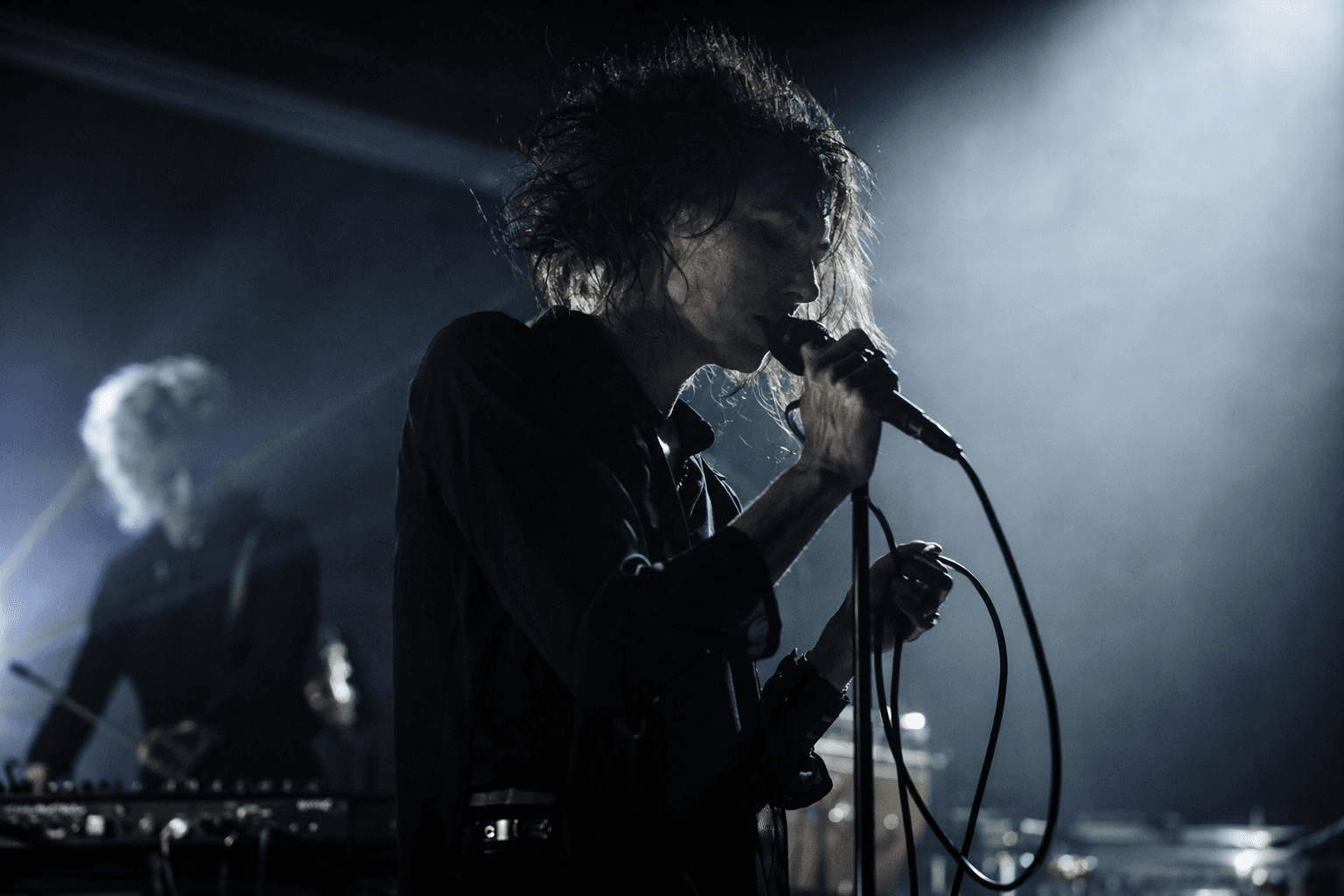
Ashnymph have been clear that they want their music and live set to be loud and exciting, and that preference comes through in the EP’s physical feel. These songs are not content to sit in the background; they are built to bloom when the PA is pushed hard, with drums and bass locking into a relentless shove while the vocals slip through the mix like a half-remembered signal. That makes the record feel tailored to rooms where volume is part of the experience, not just a technical setting.
The band’s own descriptions of the songs also point to a group that thinks in textures rather than genre bins. Wiffen recorded Childhood in his bedroom studio in southeast London, which helps explain the record’s slightly makeshift edge. The result is not slick in the conventional sense, but it is carefully assembled, with enough roughness in the production to make the pulse feel immediate rather than overworked.
Why the comparisons keep piling up
The most useful reference points around Ashnymph come from the way critics have heard the band’s collision of styles. On the debut single "Saltspreader," released on July 8, 2025, comparisons leaned toward industrial and dance-rock acts such as Does It Offend You, Yeah?, early Soulwax and Godflesh. That makes sense: the song language is built on a hard floor beat, clipped guitar figures and a dark metallic sheen that gives the music its edge.
By the time "47" arrived as a single in early May 2026, the conversation had widened to include Moin, Battles, Soulwax and MGMT. That combination says a lot about the band’s range: Moin and Battles suggest rhythmic complexity and experimental force, Soulwax points toward high-impact dance-rock precision, and MGMT hints at melodic elasticity. Ashnymph sit in the overlap between those worlds, using post-punk shapes as a launching pad for something more physical and more club-aware.
The songs that define the EP
If "Saltspreader" established the template, "Mr Invisible," released on September 23, 2025, showed that the band could refine it without sanding off the grime. Then "47" became the EP’s most revealing track, because it pushes the hybrid further: Wiffen said the song is about kids drinking and thinking about alcoholism and spirituality, and he used gamelan samples alongside pitched-up vocals. That combination gives the track a destabilized feel, as if the band are folding a precarious subject into a dance framework that keeps moving even when the lyrics darken.
The rest of Childhood helps complete the picture. "Island In The Sky" and "After Glow" extend the EP’s sense of hazy propulsion, while "Saltspreader - Long Version" turns one of the band’s earliest ideas into a more expansive statement. Taken together, the five songs present a group that already understands how to pace tension, then release it through repetition, melody and noise.
Why Childhood matters now
Ashnymph’s debut lands at a moment when dark, rhythm-forward guitar music has become one of the more interesting pressure points in independent rock. The EP matters because it does not simply revive post-punk or borrow industrial touches as decoration; it treats those elements as part of the same engine as dance music. That gives the record a contemporary shape, one that feels designed for listeners who want guitars to move like sequencers and drums to hit like club systems.
It also matters because it arrives with momentum already built in. Ashnymph have moved from the early public singles to a five-track debut, a string of live dates, and a sound identity strong enough to be named in one word by the band itself. Childhood sounds like the opening chapter of a project that already knows its own voltage, and in a scene crowded with retro references, that certainty is what makes it feel alive.
This article was produced by Prism’s automated news system from verified source data, official records, and press releases, then run through automated quality and moderation checks before publishing. The system is built and supervised by the people who set the standards it runs under. Read our full AI policy.
Did this article answer your question?