ASML chief says AI demand keeps chip industry growth on track
ASML shipped its third High-NA EUV system while revenue hit €28.3 billion, underscoring how AI demand is still feeding the chip bottleneck.
Christophe Fouquet came to Beverly Hills with ASML still sitting at the center of the global semiconductor race, the Dutch company’s lithography machines remaining one of the few unavoidable chokepoints in advanced chipmaking. Speaking at the Milken Institute Global Conference in Los Angeles, the ASML chief’s message was that artificial intelligence is keeping industry growth on track even as export controls and national industrial policy reshape where chips are made and who gets access to the tools that make them.
Fouquet took over as president and chief executive on April 25, 2024, after more than a decade inside ASML, including stints as chief business officer from 2022 to 2024 and head of the company’s EUV business from 2018 to 2022. He joined ASML in 2008 after earlier roles at KLA Tencor and Applied Materials, a résumé that tracks the rise of the chip-equipment sector from specialist supplier to strategic weapon in the U.S.-China technology contest. His background in physics, with a master’s degree from the Institut Polytechnique de Grenoble, fits a company whose advantage rests on deep technical barriers rather than scale alone.
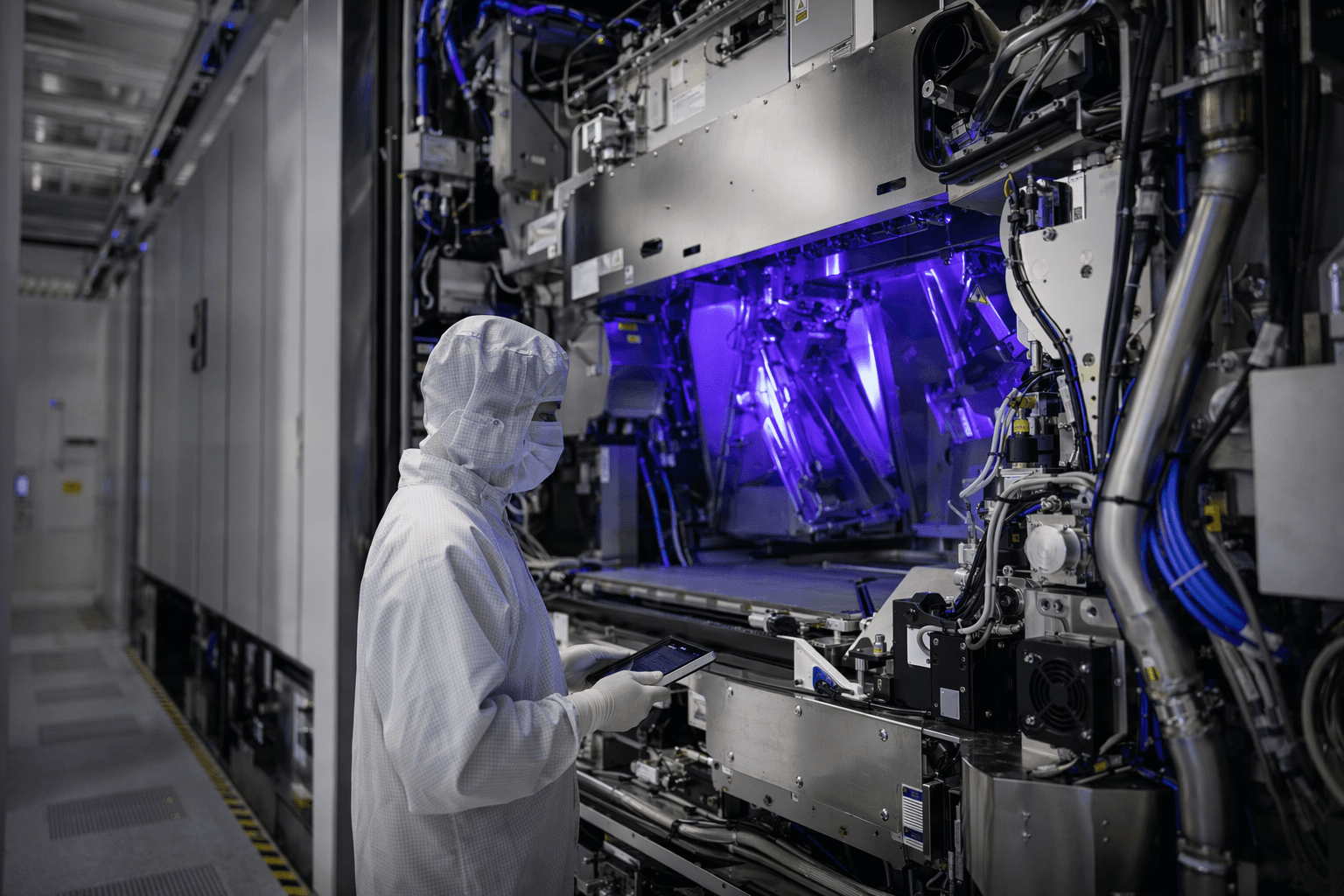
That moat showed up in the numbers. ASML reported 2024 net sales of €28.3 billion and net income of €7.6 billion, with gross margin at 51.3% and research and development spending of €4.3 billion. The company said it employed 44,027 people and worked with 5,150 suppliers, evidence of the industrial breadth behind a business that still commands one of the most constrained points in the chip supply chain. In the fourth quarter of 2024, ASML shipped its third High-NA EUV system and recognized revenue on two High-NA systems, extending its lead in the most advanced lithography needed for cutting-edge semiconductors.
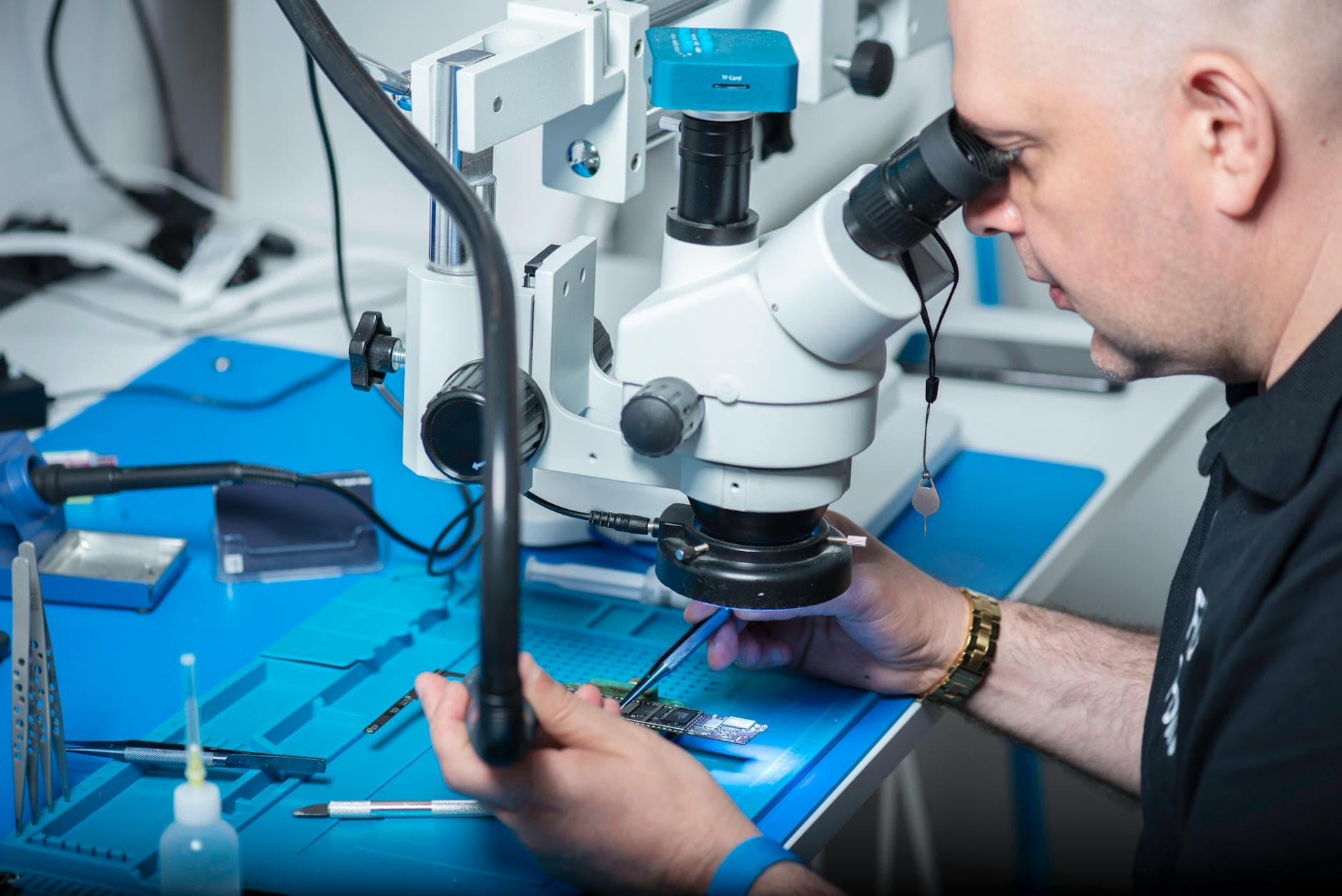
The company’s 2025 revenue outlook of €30 billion to €35 billion reflected both the upside from AI-driven demand and the uncertainty of shifting market dynamics. ASML has said export restrictions and broader U.S.-China tensions are affecting customer spending and changing its business mix, a reminder that the company’s near-monopoly is not insulated from geopolitics. Washington’s pressure on allies to tighten China restrictions has already complicated the market for advanced chip tools, while subsidy-backed efforts in the United States, Europe and Asia are pushing more chip production closer to home.
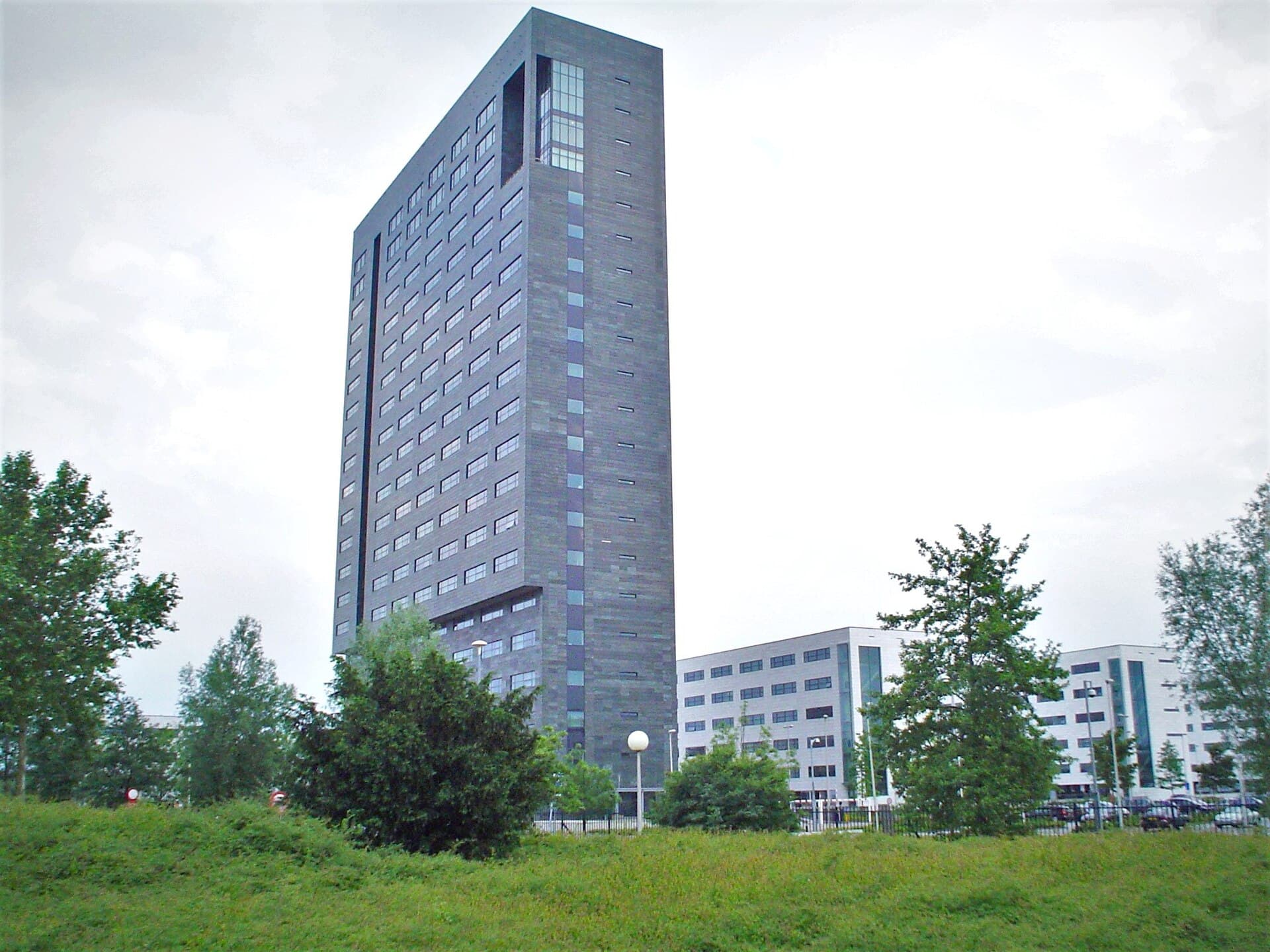
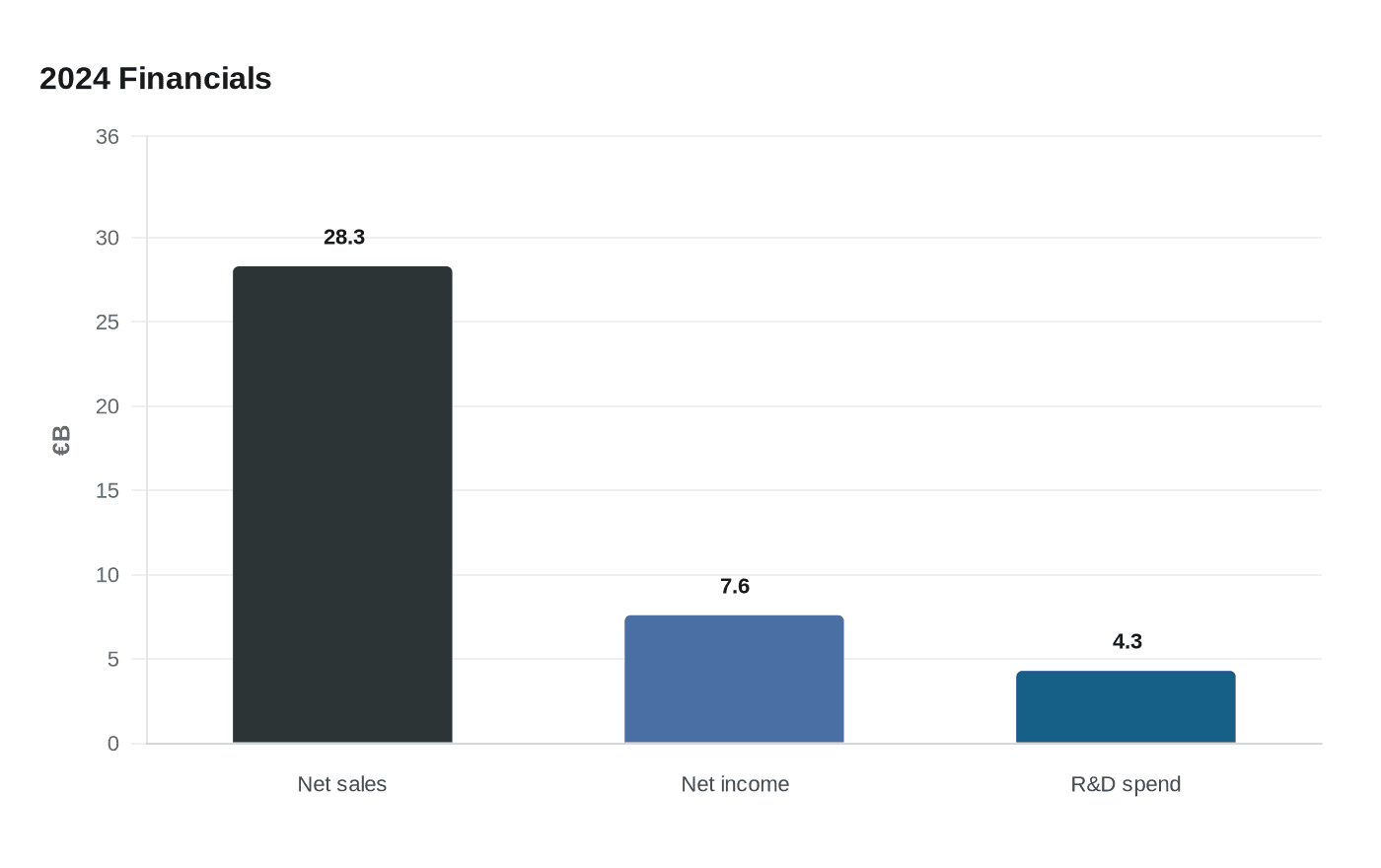
For ASML, the immediate question is not whether demand exists, but whether the world can keep building enough capacity around it. AI, edge computing and the clean energy transition are still driving orders for the most advanced chips, and ASML remains the company that most of the industry must buy from if those chips are to be made at all.
This article was produced by Prism’s automated news system from verified source data, official records, and press releases, then run through automated quality and moderation checks before publishing. The system is built and supervised by the people who set the standards it runs under. Read our full AI policy.
Did this article answer your question?

