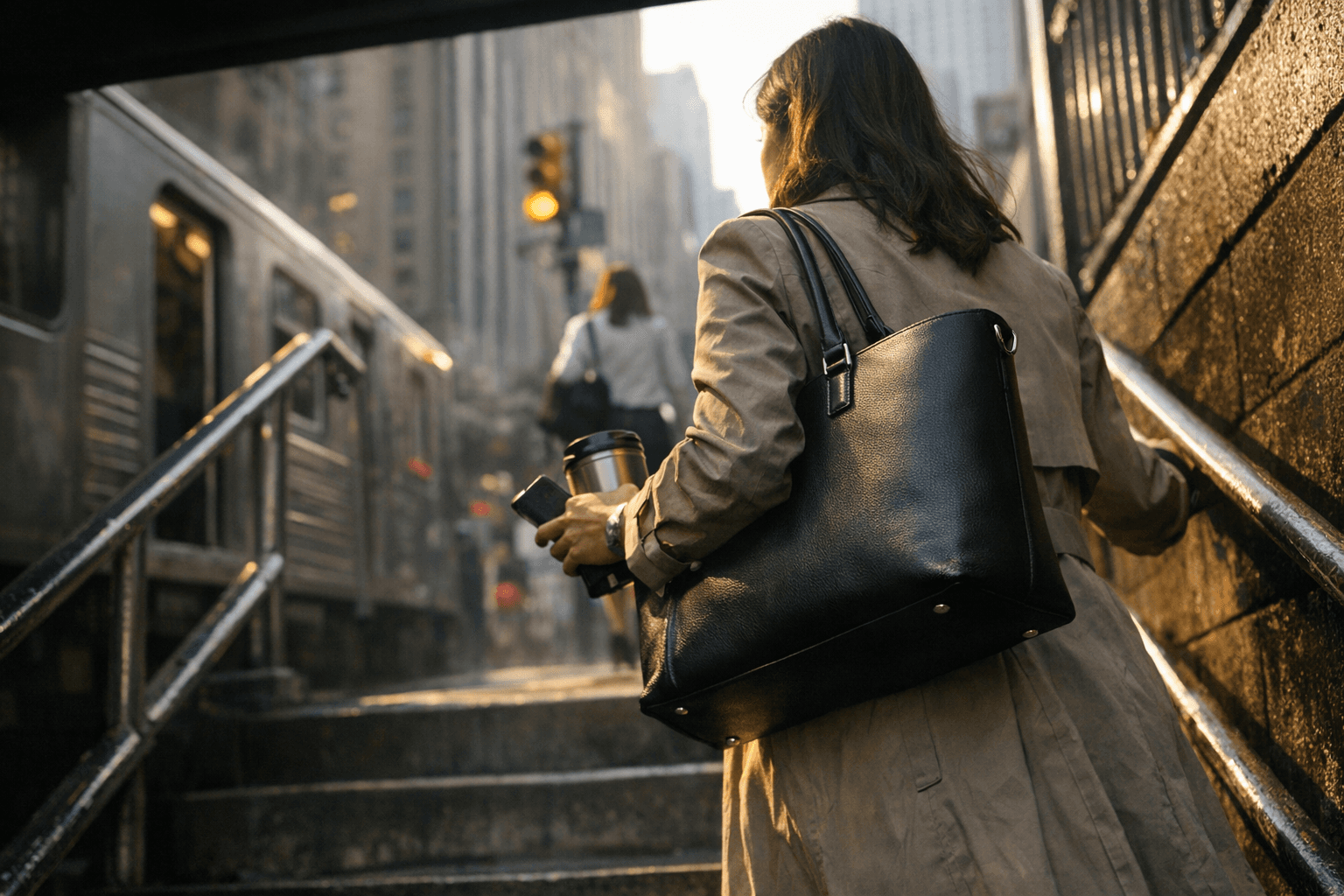
Athleisure Under Fire: Viral TikTok and Professor Fuel Office Dress Debate
Professor Gad Saad’s “grotesque” swipe at women in athleisure reignited a culture war over office dress after Derek Guy, a viral TikTok and a recruiter‑shorts controversy pushed the debate into the mainstream.

Professor Gad Saad’s blunt line that women in athleisure are “grotesque” ignited an online firestorm, drawing a sharp counterpoint from commentator Derek Guy, who argued that polo shirts carry upper-class sports roots that make them acceptable office wear while modern athleisure does not. The exchange drew heavy engagement and surfaced a deeper battle over what professional style should signal.
The debate landed alongside a separate viral moment this summer when Tyreshia Morgan posted a TikTok saying a recruiter told her to go home and change out of shorts before an interview. That clip reopened a public split between fashion elders and contemporary editors: Tim Gunn told the Wall Street Journal that shorts at work are unacceptable “unless you’re a lifeguard,” while Vogue has been advocating for shorts at work since 2016.
Market signals underline why the argument matters beyond aesthetics. A Gallup survey, noted in recent coverage, found that most workers have traded suits for shirts, slacks, jeans and sneakers, and CNBC’s reporting on return-to-office wardrobes profiles 27-year-old public relations professional Johnny Reynolds of the Philadelphia area, who expects to rejoin colleagues after Labor Day and is filling his wardrobe with Lululemon garb. Retailers and brands are responding: Lululemon and Athleta are positioned to benefit as consumers mix athletic pieces into office wardrobes, Nordstrom is pivoting to more casual fall merchandise, and one popular pairing cited is Lululemon’s ABC Pant worn with a blazer.
Executives pushing the pro-athleisure case have given the debate a commercial and productivity frame. Jessica Thompson, president of Halara, said “the line between officewear and casual clothing has officially blurred” and that “as more employees split their time between home and office, the demand for clothing that seamlessly blends comfort and professionalism has grown.” Thompson acknowledged a business tie — one of her clients is activewear giant Lorna Jane — but added she is “less concerned with what people are wearing and far more concerned with productivity,” concluding “it would be silly not to allow activewear in the office.” Millennial PR boss Grace Garrick of MVMNT echoes that view: she “allows it” for Gen Z staff, argues “when you’re dressed for action, you’re more inclined to be mobile and get active and get things done,” and insists “you can throw a blazer over anything and look like you’re capable of closing a business deal.”
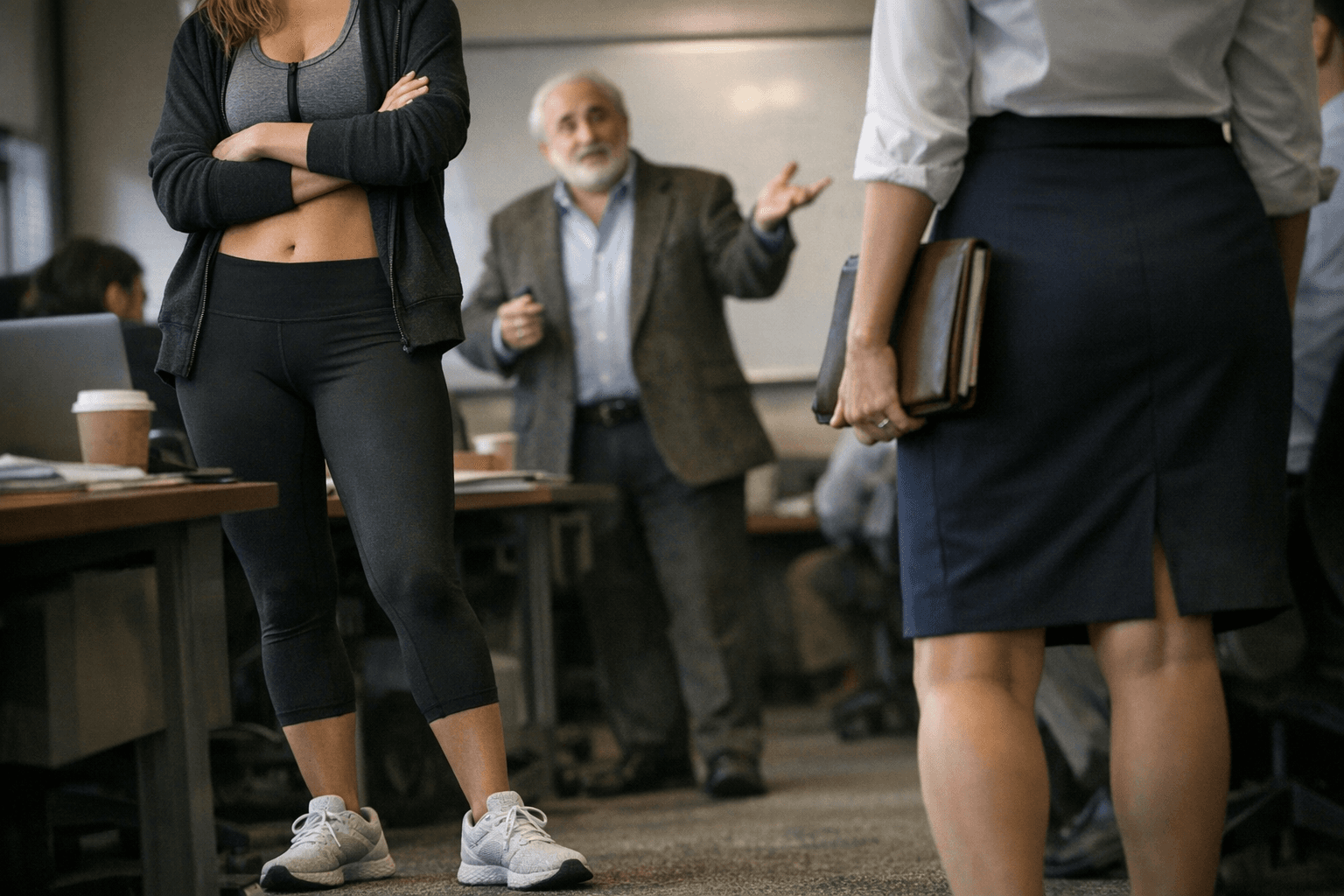
Psychology and practical styling complicate the culture war. Fast Company researchers, summarized in wider coverage, invoked “enclothed harmony,” asking whether clothing choices are consistent with the context in which they’re worn and noting that when employees feel “dressed like themselves, they’re more productive and engaged.” Fashiontimes writer Lara Galan calls business casual’s definition broadened, recommending structured pieces such as blazers paired with relaxed elements — advice mirrored in consumer conversations on Reddit, where a student proposed a black overcoat, crew neck sweater, jeans or joggers and black running shoes as a middle ground.
The collision of Saad’s provocation, Derek Guy’s cultural history of the polo, the Morgan TikTok, and retail shifts shows this is not a single wardrobe quarrel but a realignment tied to class signals, generational taste and the hybrid workplace. Expect the argument to keep unfolding as brands like Lululemon and Athleta chase sales and HR teams wrestle with what productivity and professionalism should look like in the office.
Know something we missed? Have a correction or additional information?
Submit a Tip