Atlanta uses World Cup to shed 1996 Olympics legacy, boost image
Atlanta tied its World Cup pitch to a reset: eight matches, a semifinal, and a bid to outrun the homelessness backlash that shadowed the 1996 Olympics.

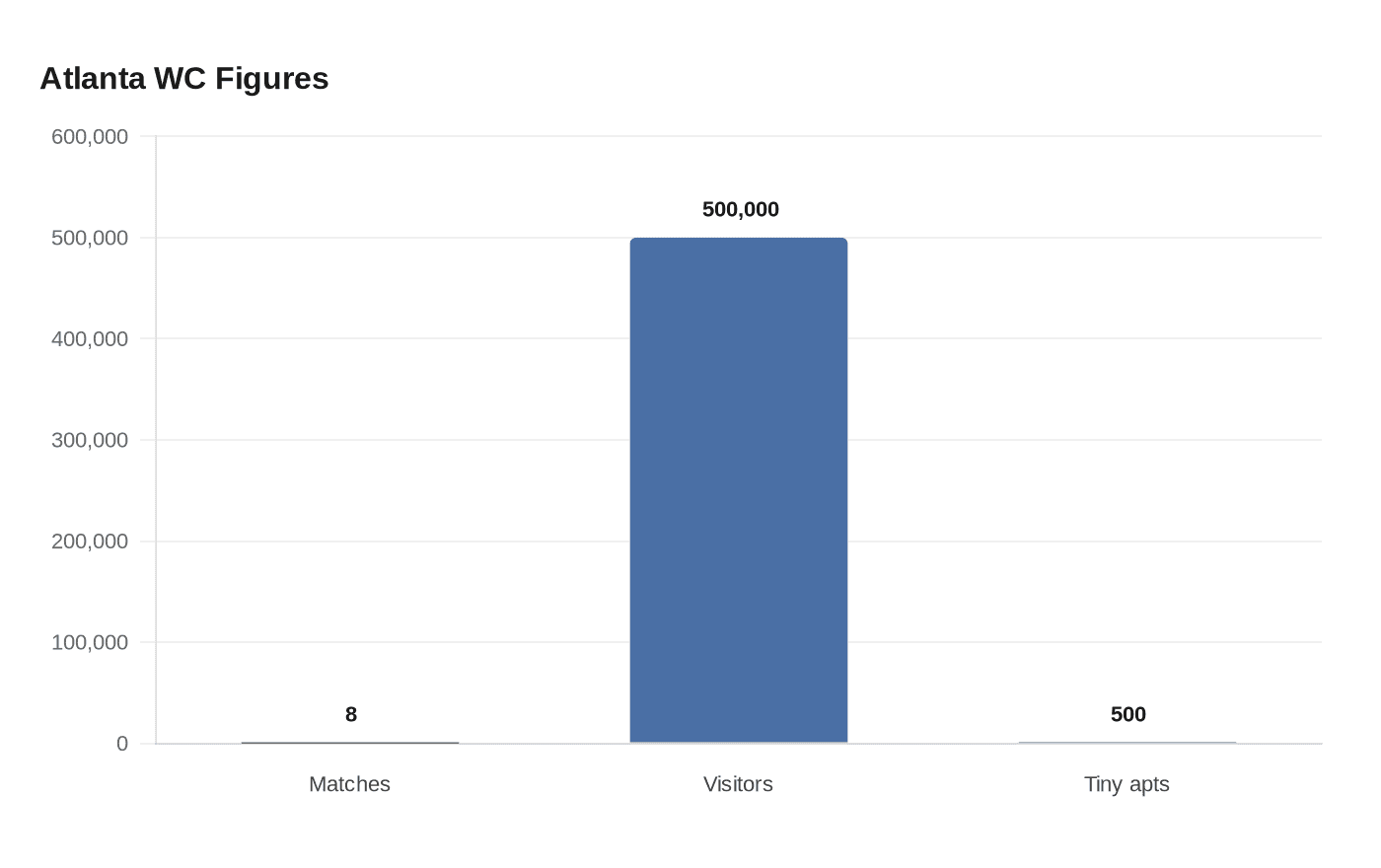
Atlanta had turned the 2026 World Cup into a civic rebranding test, betting that eight matches, including a semifinal, could help push aside the memory of the 1996 Olympics and the backlash that followed.
Three decades ago, the city was criticized after police were accused of arresting homeless people by the thousands during the Olympics, triggering lawsuits and years of damage to Atlanta’s image. Now city leaders want the world tournament to tell a different story: a city that can host a global event without repeating the social harm that once defined its biggest moment on the international stage.
The stakes are not just symbolic. A study commissioned by the Metro Atlanta Chamber of Commerce estimated the tournament could draw about 500,000 visitors and generate between $500 million and more than $1 billion in economic impact. That promise has become central to the city’s argument that the World Cup can do more than fill hotel rooms and stadium seats. It can also reshape how investors, tourists and residents think about Atlanta.
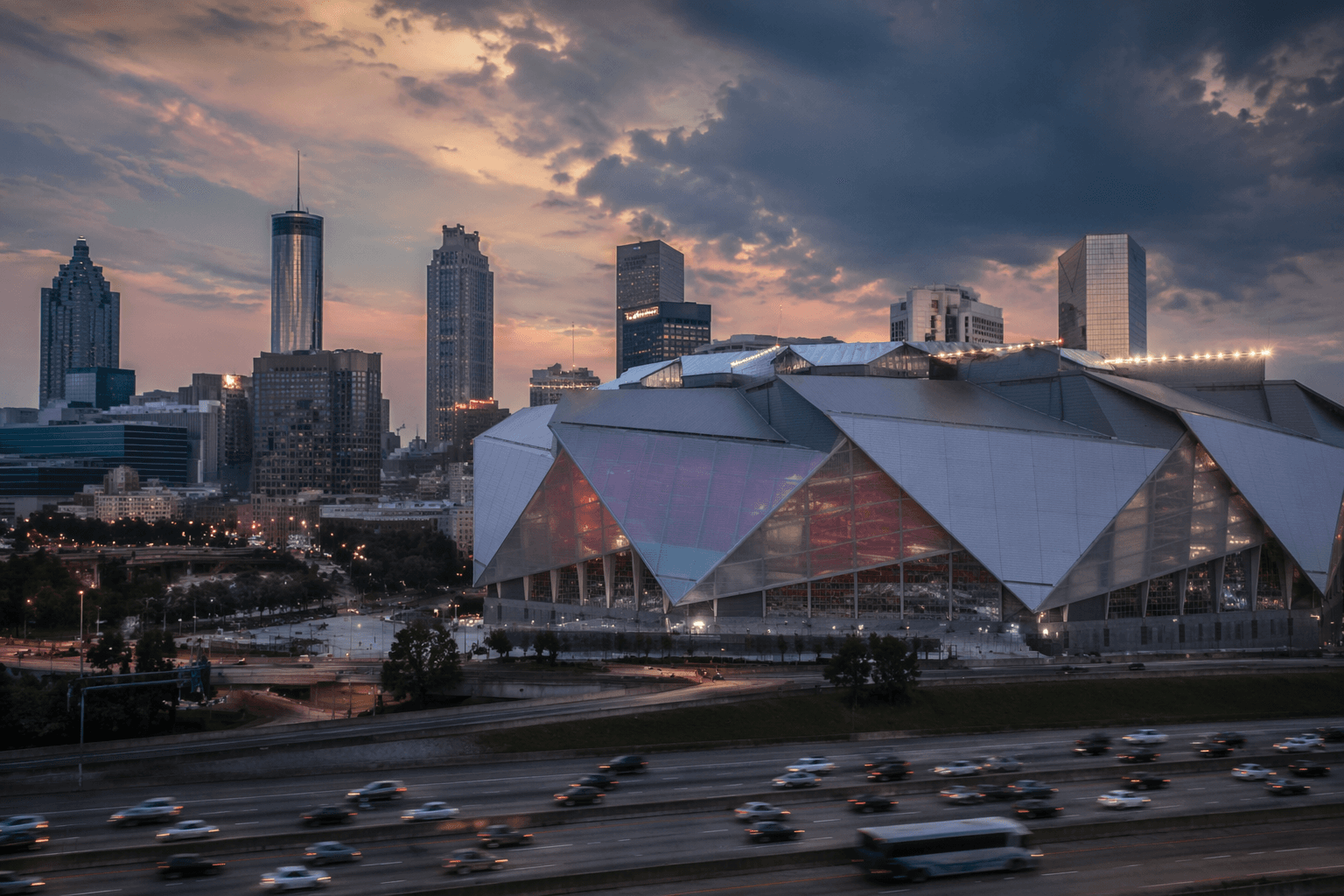
The city has already made visible changes to support that pitch. It ordered new transit cars, brightened downtown with murals and upgraded Mercedes-Benz Stadium, the centerpiece venue for the matches. Those improvements are meant to signal readiness, but they also reflect a deeper effort to make the city look and function differently under the glare of a worldwide audience.
Mayor Andre Dickens has placed homelessness near the center of that effort. He backed a $60 million program aimed at creating 500 tiny apartments for transitional or permanent housing, and the city is nearing that goal. For advocates, that step matters because the legacy of 1996 still hangs over any discussion of public safety and major events in Atlanta. They have warned that the city must do more than simply move vulnerable people out of view.
That tension gives the World Cup a meaning beyond sport. Atlanta is trying to use the tournament to rewrite a story built on backlash, lawsuits and neglect. If the city can manage transit, security and neighborhood-level economic promises while showing real progress on homelessness, it may convince a new generation that its image has changed. If it falls back on old habits, the old criticism could return just as the world arrives.
This article was produced by Prism’s automated news system from verified source data, official records, and press releases, then run through automated quality and moderation checks before publishing. The system is built and supervised by the people who set the standards it runs under. Read our full AI policy.
Did this article answer your question?
.jpg&w=1920&q=75)