Attenborough revisits iconic gorilla encounter as Rwanda conservation triumphs
Attenborough’s unscripted meeting with baby gorilla Pablo in Rwanda became a defining TV image. A new Netflix film ties that moment to conservation gains that lifted mountain gorillas above 600 in Rwanda.
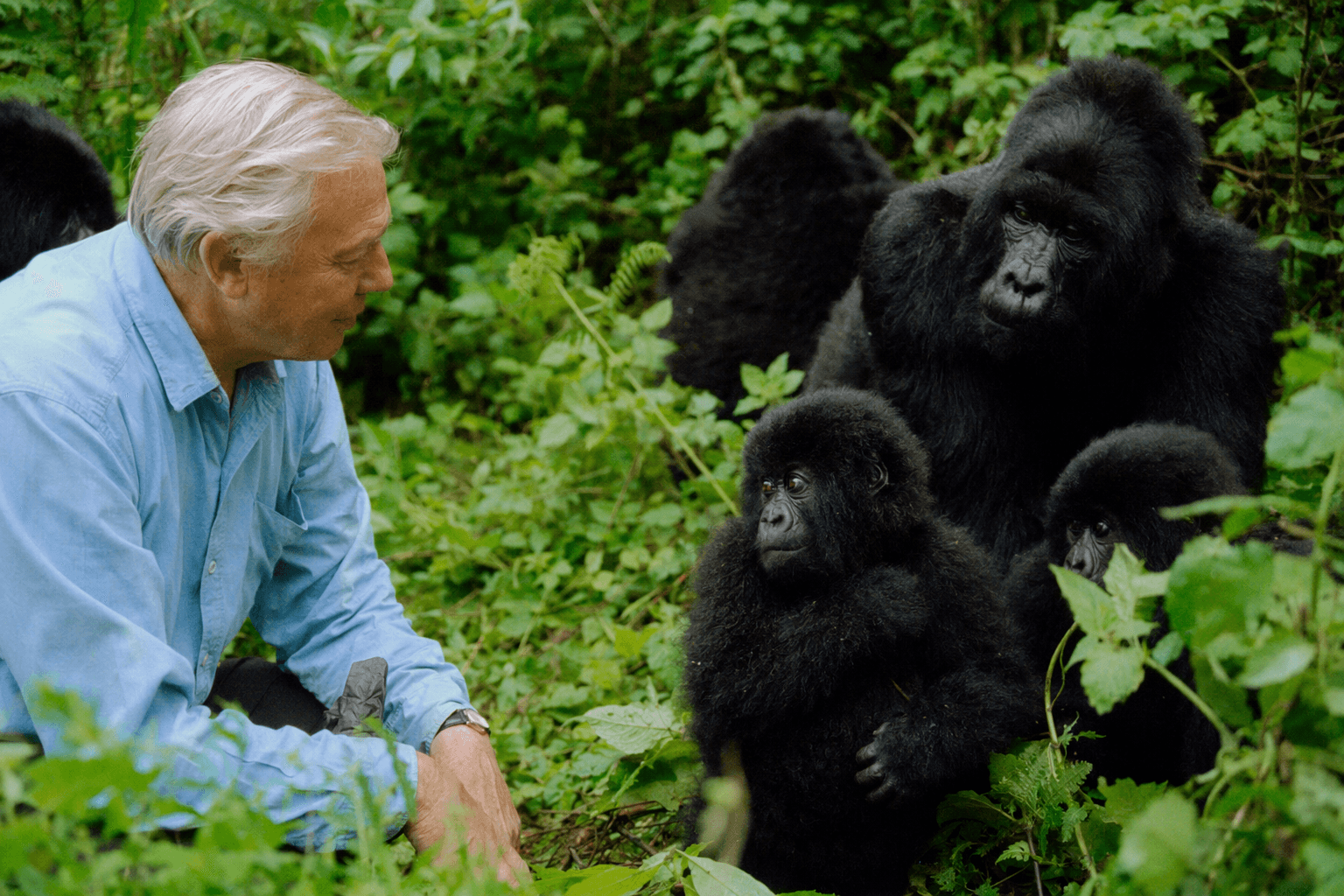
Sir David Attenborough’s most famous wildlife moment began as an unscripted surprise in the Virunga Mountains, where a baby gorilla named Pablo climbed onto his chest during filming for Life on Earth in January 1979. The sequence, captured in Rwanda’s Volcanoes National Park when Attenborough was 51, became one of the most recognisable images in British television and a lasting symbol of how natural-history broadcasting can turn a fleeting encounter into public belief.
A new Netflix documentary, A Gorilla Story: Told by David Attenborough, revisits that scene as Attenborough approaches his 100th birthday. The film returns to the Pablo group, the descendants of the gorilla family he met nearly half a century ago, and shows how a single broadcast image can outlive the programme that created it. Attenborough has long described the encounter in near-spiritual terms, saying: “There is more meaning and mutual understanding in exchanging a glance with a gorilla than any other animal I know.”
The broader story is Rwanda’s conservation turnaround. Mountain gorillas once numbered about 250 in the Virunga forests in the 1960s and came perilously close to extinction in the 1980s. Conservation efforts have since helped the species recover to more than 600 in Rwanda and around 1,000 across the region, a rare success in a part of the world where habitat loss, poaching and political instability have repeatedly threatened wildlife.

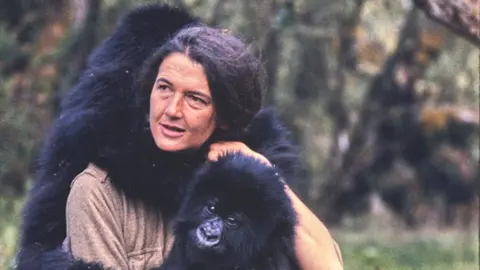
That recovery traces back to the work of Dian Fossey, whose pioneering study and protection of mountain gorillas in Rwanda began in 1967. Her legacy still shapes the science and the politics around the species today, with the Dian Fossey Gorilla Fund noting that its work in Rwanda began that year and that it partnered scientifically on the new production. Rwanda’s conservation authorities say the documentary presents the gorillas’ behaviour, social structure and lineage to a global audience, reinforcing the country’s position as a conservation destination.

The film’s appeal lies in that blend of intimacy and policy. Attenborough’s exchange with Pablo is remembered as a personal revelation, but its afterlife has become something larger: a public record of how television helped build trust in wildlife storytelling, and how that trust has been tied to conservation funding, scientific authority and Rwanda’s national efforts to protect a species once on the brink.
This article was produced by Prism’s automated news system from verified source data, official records, and press releases, then run through automated quality and moderation checks before publishing. The system is built and supervised by the people who set the standards it runs under. Read our full AI policy.
Did this article answer your question?