Australia bans social media for under 16s as nations tighten rules
Australia cut off 4.7 million under-16 accounts as governments from London to Paris moved to tighten children's social-media access.
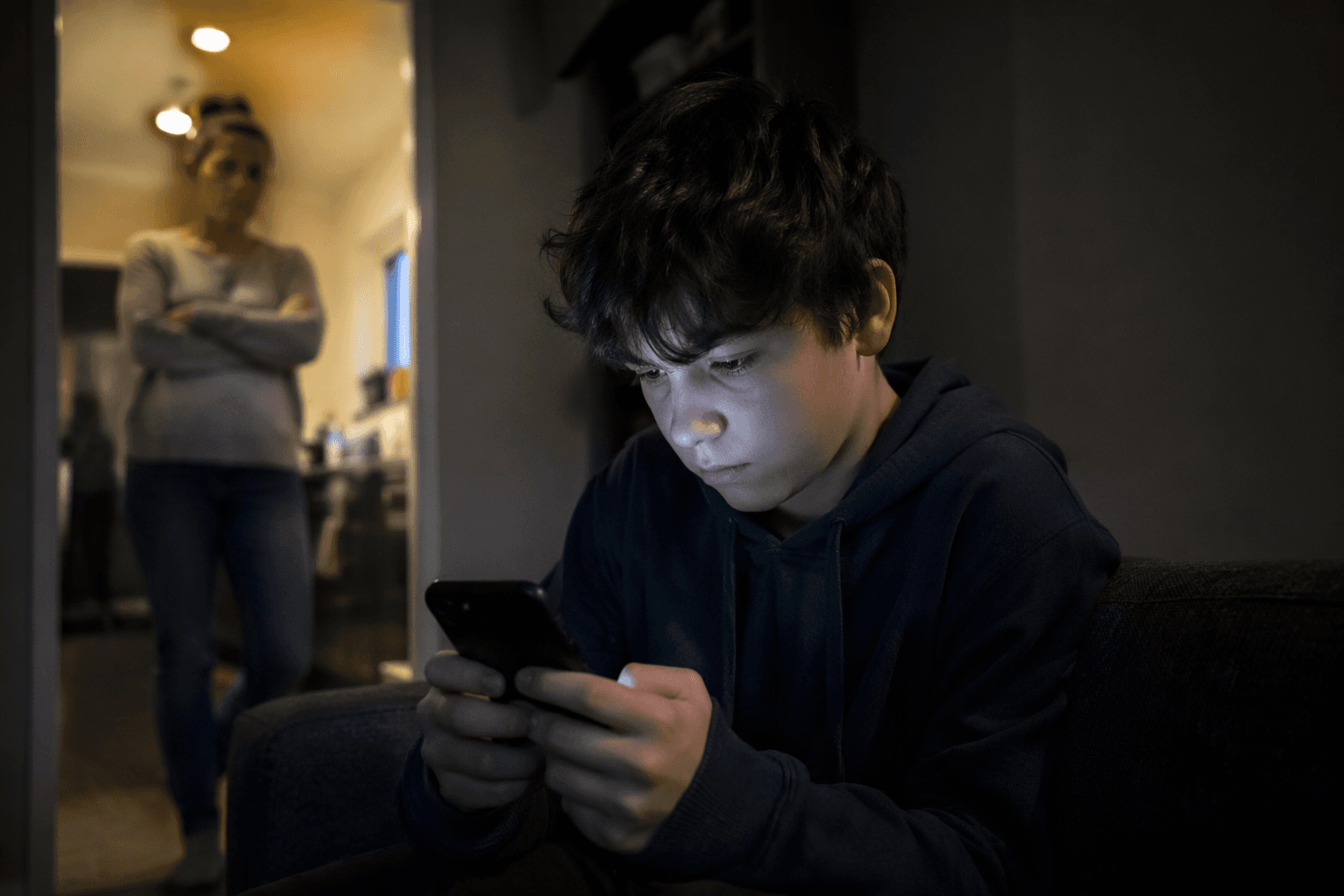
Australia has gone furthest, turning social media into a regulated space for children under 16 and forcing platforms to police age limits themselves. Within days of the law taking effect on December 10, 2025, age-restricted services had removed access to 4.7 million under-16 accounts across the country.
The Australian rules put the duty on platforms, not parents or teenagers, to take reasonable steps to prevent under-16s from holding accounts. Companies that systematically fail to comply face penalties of up to A$49.5 million. TikTok, YouTube, Instagram and Facebook were among the services expected to block minors, and the eSafety Commissioner said the restrictions were now in effect.
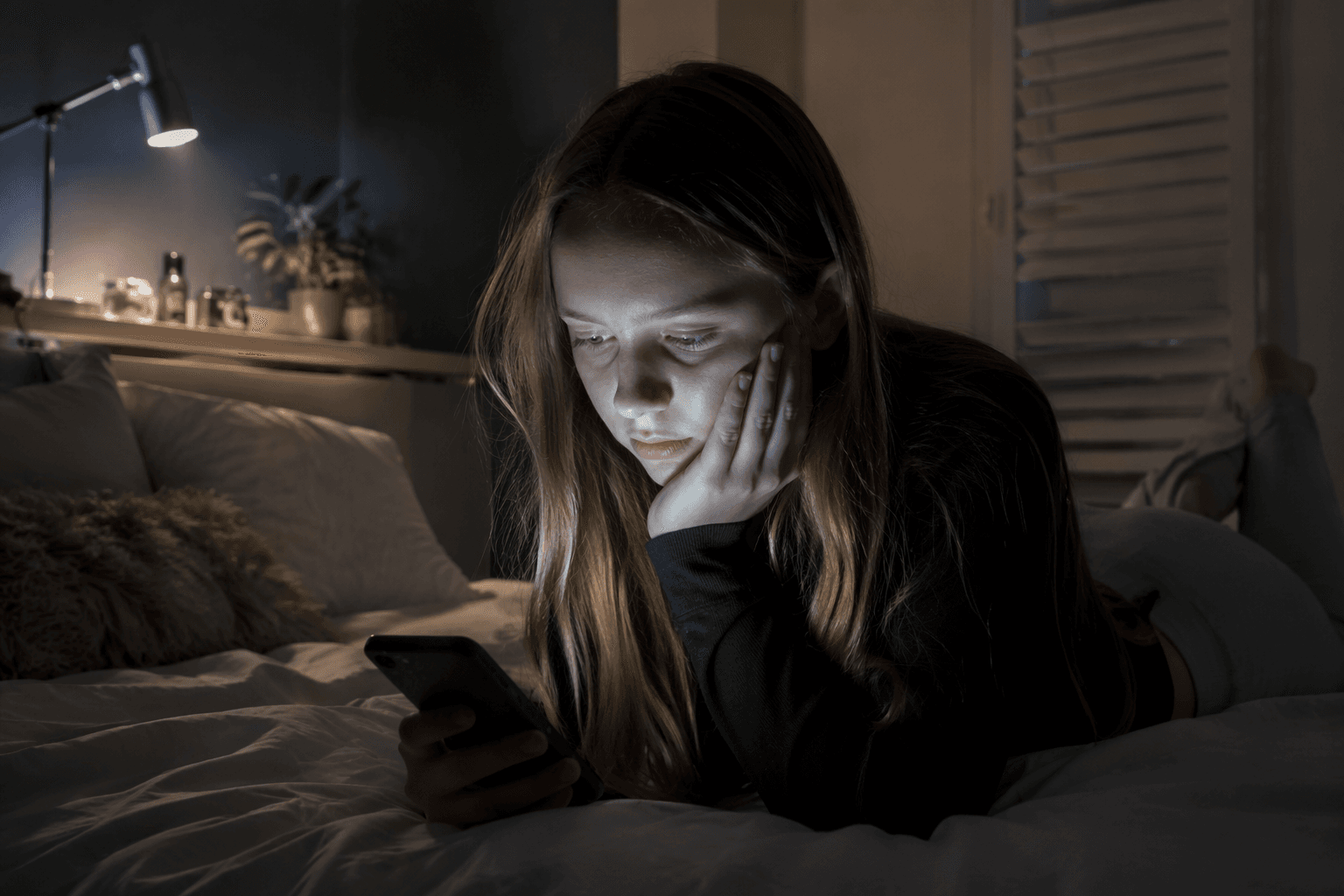
Elsewhere, governments are converging on the same worry but choosing different enforcement models. Britain moved toward device-level safeguards, with Prime Minister Keir Starmer giving tech companies a three-month deadline on June 8 to stop children from circulating nude images on phones or face legislation that would require them to build or activate technical fixes. Under the British plan, adults would still be able to reach nude content through age verification, but firms such as Apple and Google would be expected to activate built-in protections or otherwise deploy tools on smartphones and tablets.
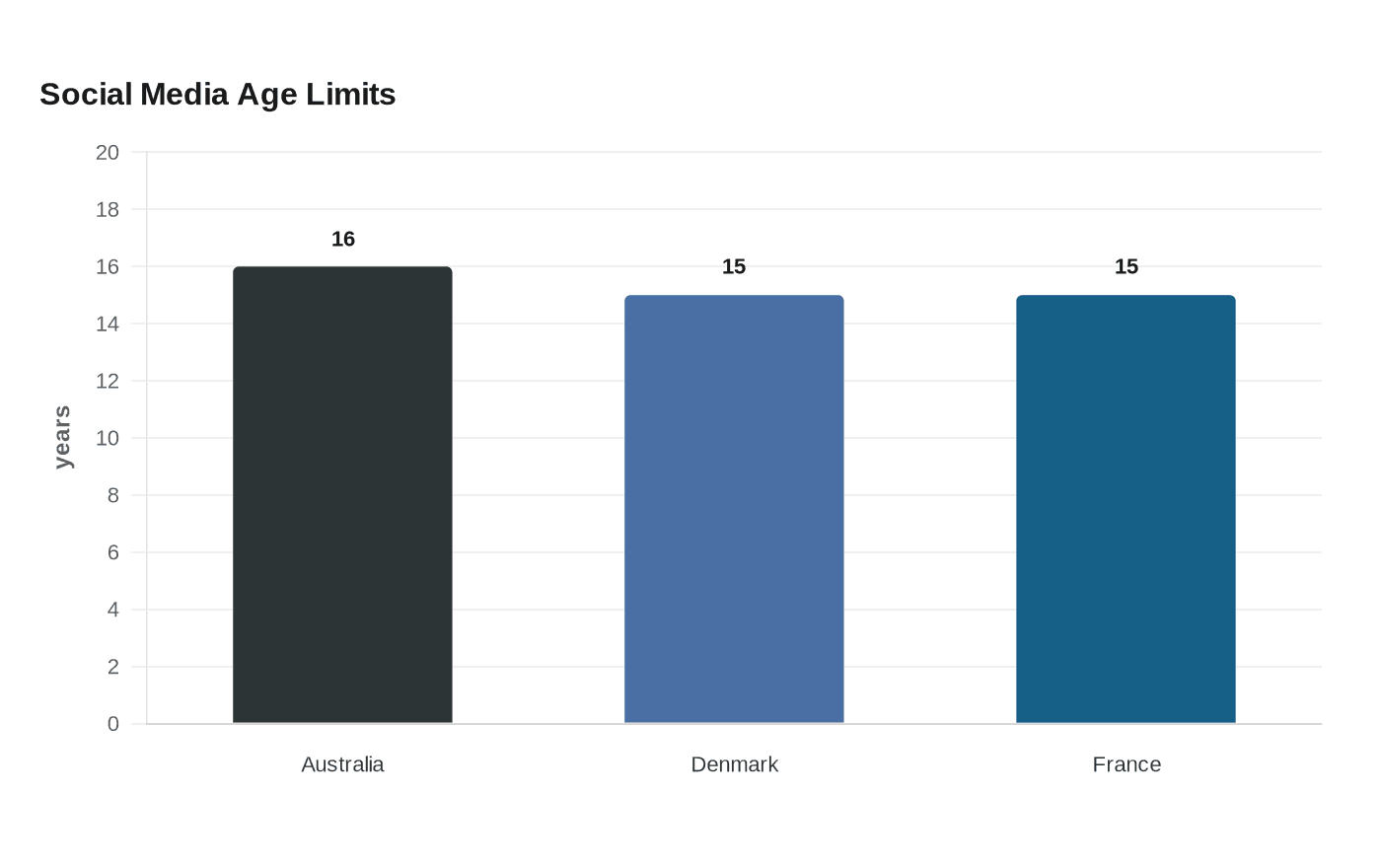
Europe is leaning harder toward age bans, though often with room for parental discretion. Denmark said it would bar social media for children under 15, while allowing parents in some cases to grant access from age 13 on certain platforms. France’s National Assembly approved a bill to do the same for under-15s, and the measure could take effect at the start of the school year in September 2026 if the Senate agrees. Germany already allows 13-to-16-year-olds to use social media only with parental consent, while Greece is close to announcing its own under-15 ban.
China’s approach is more tightly managed still. Its so-called minor mode uses device-level restrictions and app-specific rules to limit screen time depending on age, reflecting a model in which the state shapes the terms of access rather than leaving the question to families and companies alone.
Together, the moves show a broader shift in public policy. Governments are treating children’s exposure to social media less as a matter of personal choice and more as a public-health and consumer-safety issue tied to bullying, addiction, mental health and exploitation. The fault line is not whether to intervene, but how much power to give platforms, parents and the state.
This article was produced by Prism’s automated news system from verified source data, official records, and press releases, then run through automated quality and moderation checks before publishing. The system is built and supervised by the people who set the standards it runs under. Read our full AI policy.
Know something we missed? Have a correction or additional information?
Submit a Tip