Australia to Enforce Social Media Age Limits for Under 16s
Australian authorities are moving to enforce new rules that would restrict social media services for children under 16, even as a legal challenge proceeds in court. The clash highlights tensions between safeguarding minors online, the technical costs for platforms, and concerns about free expression and privacy.
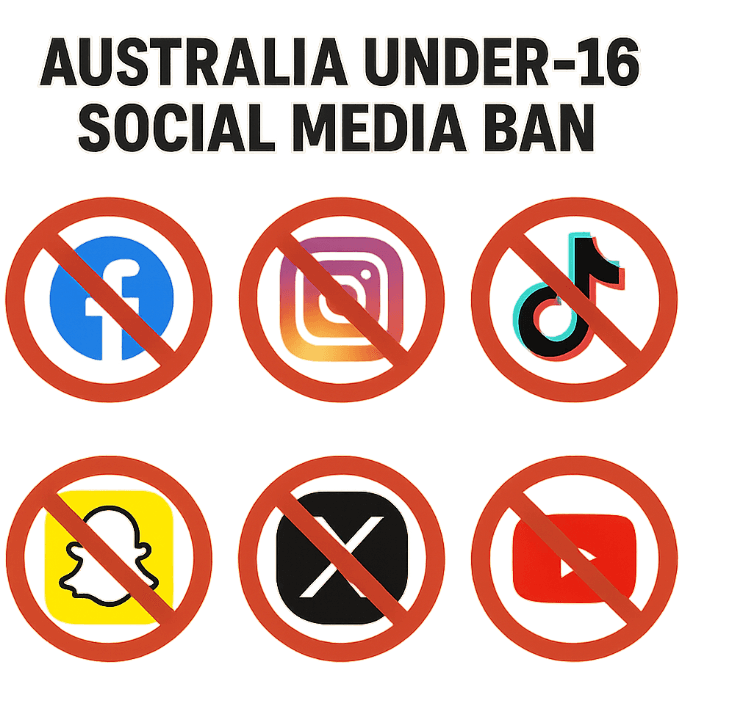
Australian government lawyers told a court on Friday that the nation will press ahead with rules designed to limit access to major social media services for children under 16, even as a legal challenge to the law remains unresolved. The announcement, made during proceedings on November 28, 2025, signals Canberra’s determination to implement stricter protections for young people amid rising concerns about mental health, exposure to harmful content, and data collection practices by large platforms.
The measure forms part of a broader wave of regulatory activity in multiple countries seeking to tighten oversight of online platforms and bolster protections for minors. By defending the law in court, government officials are arguing that the restrictions are necessary to reduce risks associated with ubiquitous social media use among adolescents. Opponents in the litigation, however, contend the law raises serious questions about free expression and the practicalities of enforcement, including how companies would verify age, preserve privacy, and adapt complex technical systems.
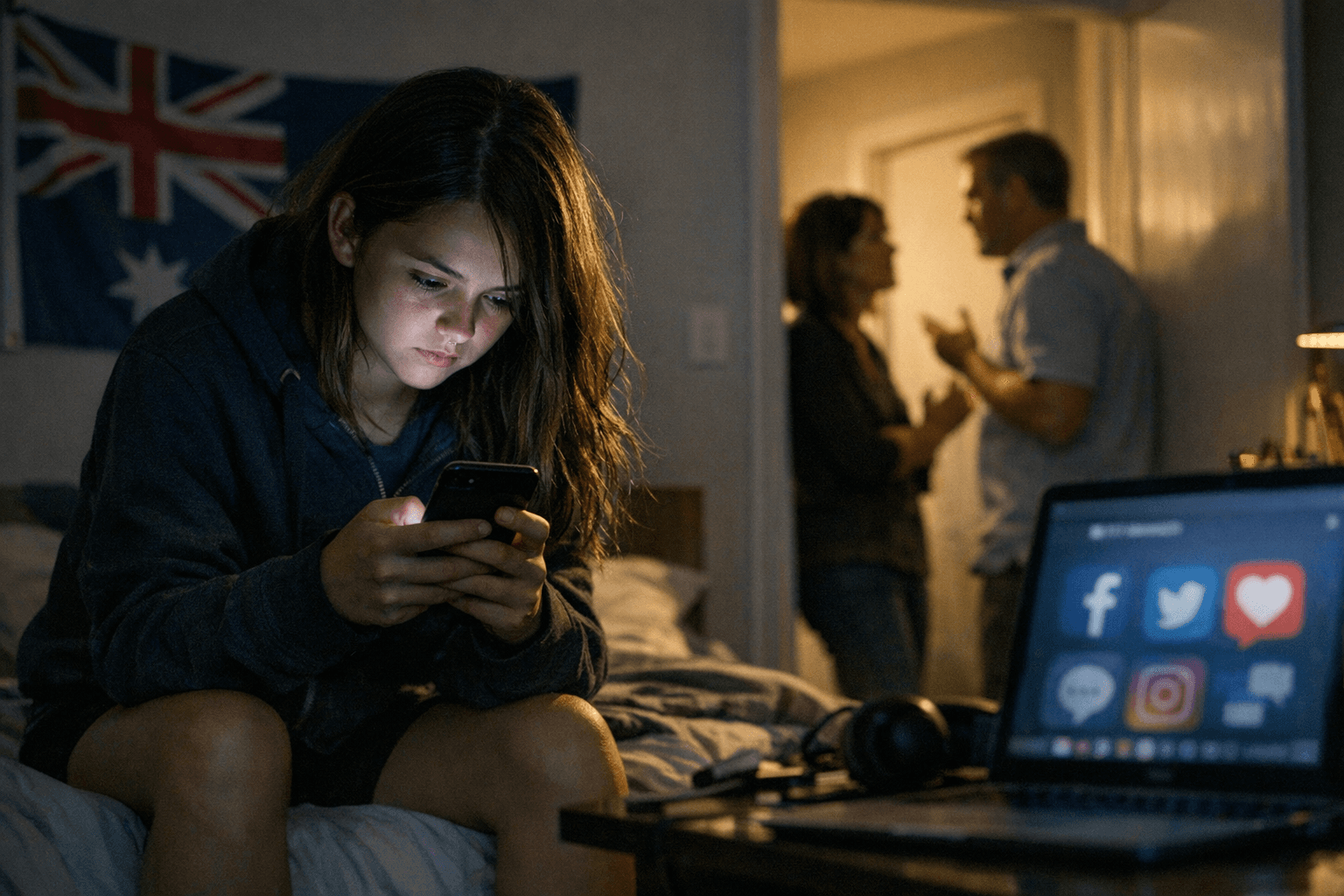
Legal experts and technology observers say the case will test fundamental tensions that many governments face when regulating the digital environment. Age verification can reduce access to inappropriate material, yet technical means to prove age often rely on personal data or third party verification services that create their own privacy and security risks. The litigation is expected to explore whether existing safeguards in the legislation adequately balance those competing concerns and whether the law runs afoul of constitutional or administrative law principles cited by challengers.
For platforms, the proposed restrictions could entail significant operational and compliance costs. Large social networks may need to redesign account creation flows, impose more rigorous identity checks for a subset of users, or block access for accounts that cannot be reliably age verified. Those steps could complicate cross border services and user experience, and could drive younger users to unregulated corners of the internet with weaker protections. Opponents have pointed to such outcomes as unintended consequences that might undermine the law’s protective aims.
Civil liberties advocates also argue that the regulation could have chilling effects on speech, particularly for older teenagers near the threshold. They say bright line age limits can blunt the nuance of parental responsibility, educational use, and legitimate political or civic expression by young people. The government’s response in court frames the law as an essential public health intervention aimed at reducing harms linked to large platforms, leaving the judiciary to weigh the proportionality and means of enforcement.
The case is likely to attract attention beyond Australia because it intersects with global debates about platform accountability, children's rights online, and the trade offs inherent in digital safety tools. Regulators in several jurisdictions are experimenting with similar policies, and outcomes in Canberra could influence legislative design and litigation strategy elsewhere.
As the legal challenge moves through the courts, families, educators, technology companies, and policymakers will watch for rulings that clarify how far governments can go in imposing age related restrictions on widely used digital services, and what safeguards are required to protect both young users and fundamental rights.
Know something we missed? Have a correction or additional information?
Submit a Tip
%3Amax_bytes(150000)%3Astrip_icc()%3Afocal(499x0%3A501x2)%2FSurvivor-Jeff-Probst-052026-1-3507301af60b4b08aa246bfd0aba3abf.jpg&w=1920&q=75)