Australia's abandoned substations are being turned into homes
Decommissioned substations are becoming homes, but the real story is cost, approvals and heritage rules, not novelty. Most remain luxury-adjacent assets, not affordable supply.

Australia’s abandoned substations are being recast as homes, but the deeper story is not architectural charm. It is a test of whether adaptive reuse can add any meaningful housing at a time when shortages are squeezing buyers, councils are weighing heritage against supply, and the cheapest-looking opportunities still come with heavy costs. Across Brisbane, Sydney and Launceston, the sites that do change hands tend to reward patience, cash and a tolerance for planning risk.
Why old substations are suddenly in demand
These buildings appeal for the same reason scarce inner-city houses do: location, land and story. Some buyers want the heritage shell itself, while others are chasing a rare parcel in a tightly held suburb, even if the structure is little more than a blank canvas. A redundant substation in North Parramatta drew more than 60 inquiries before auction in 2023, even though it offered four brick walls and no electricity or water.
The most compelling conversions are often those that still retain their original fabric. In Brisbane, a 1948 tramway substation became a five-bedroom, three-bathroom home after strong buyer interest, including from three people who had missed out at auction 11 years earlier. That building was one of 17 electrical and tramway substations constructed in the 1940s and early 1950s, and the finished conversion kept original doors, chains and historic signage.
In Rozelle, a 1907 substation at 10 Hancock Street shows a different side of the market. Originally built to power trams in Sydney’s inner west and decommissioned in 1958, it is described as the last intact structure of its kind in New South Wales. Its transformation into a four-bedroom family home underscores why these properties can command attention far beyond the utility sector that created them.
What it takes to turn a substation into a house
The West Launceston project shows how much work sits behind a successful conversion. Mark and Karen Bartkevicius secured approval to turn a 1922 former Hydro Tasmania substation into a two-storey luxury home overlooking the city, but only after two years spent locating the owners, negotiating a private sale and working through approvals. The site had not been used since the 1960s, which helped make the conversion possible, but it did not make it simple.

The numbers matter. That Launceston project was budgeted at $600,000, and Aurora Energy charged $20,000 to connect power. For a project marketed as a luxury home, those costs may be manageable; for any attempt to scale this model into a broader housing solution, they are a warning sign. Adaptive reuse does not erase site-specific expenses, and in former utility sites those expenses can be unusually high because the building, access and service connections are rarely straightforward.
Some Sydney sales show the same pattern. Substation blocks on the north shore have reportedly sold for anywhere from about $189,000 to around $1.8 million, depending on size and location. Several were marketed with live electricity boxes still in place or easements for maintenance access, a reminder that these are not clean slate redevelopment sites. They are constrained assets, and the constraints are part of the price.
Why this is not an affordable-housing fix
The market for these properties says as much about scarcity as it does about reuse. In Brisbane and Sydney, the buyers are often paying for a rare address, a strong heritage identity or the chance to own an unusual piece of the urban fabric. That may preserve a building, but it does not necessarily produce homes that are within reach of ordinary buyers.
The Launceston project was openly framed as a luxury home. The Rozelle conversion became a four-bedroom family residence in a highly valued inner-west location. The North Parramatta site, by contrast, attracted interest as a blank canvas rather than a ready home, which suggests that the value is often in the land first and the dwelling second. When former utility sites in Mosman, Neutral Bay and other north shore suburbs sell for hundreds of thousands or even near $1.8 million, they are functioning less like an affordability strategy and more like a premium scarcity play.
That is the central policy question. If a building conversion only works where land is already expensive, approvals are manageable and the finished product can be sold at a high price, then it adds limited relief to the housing crisis. It may save a building from demolition, but it will not automatically widen access to ownership.
Heritage rules can help preserve character, but they can also restrict supply
Local government has become a major player in this market. Burwood Council’s move in late 2023 to heritage-list seven decrepit substations in Sydney’s inner west drew criticism in the middle of the housing crisis, precisely because every protected structure narrows the scope for redevelopment. At the same time, Woollahra Council resolved in 2022 to proceed with listing 18 Ausgrid substations as local heritage items, reinforcing the view that these buildings are part of the urban record and should not be treated as disposable.
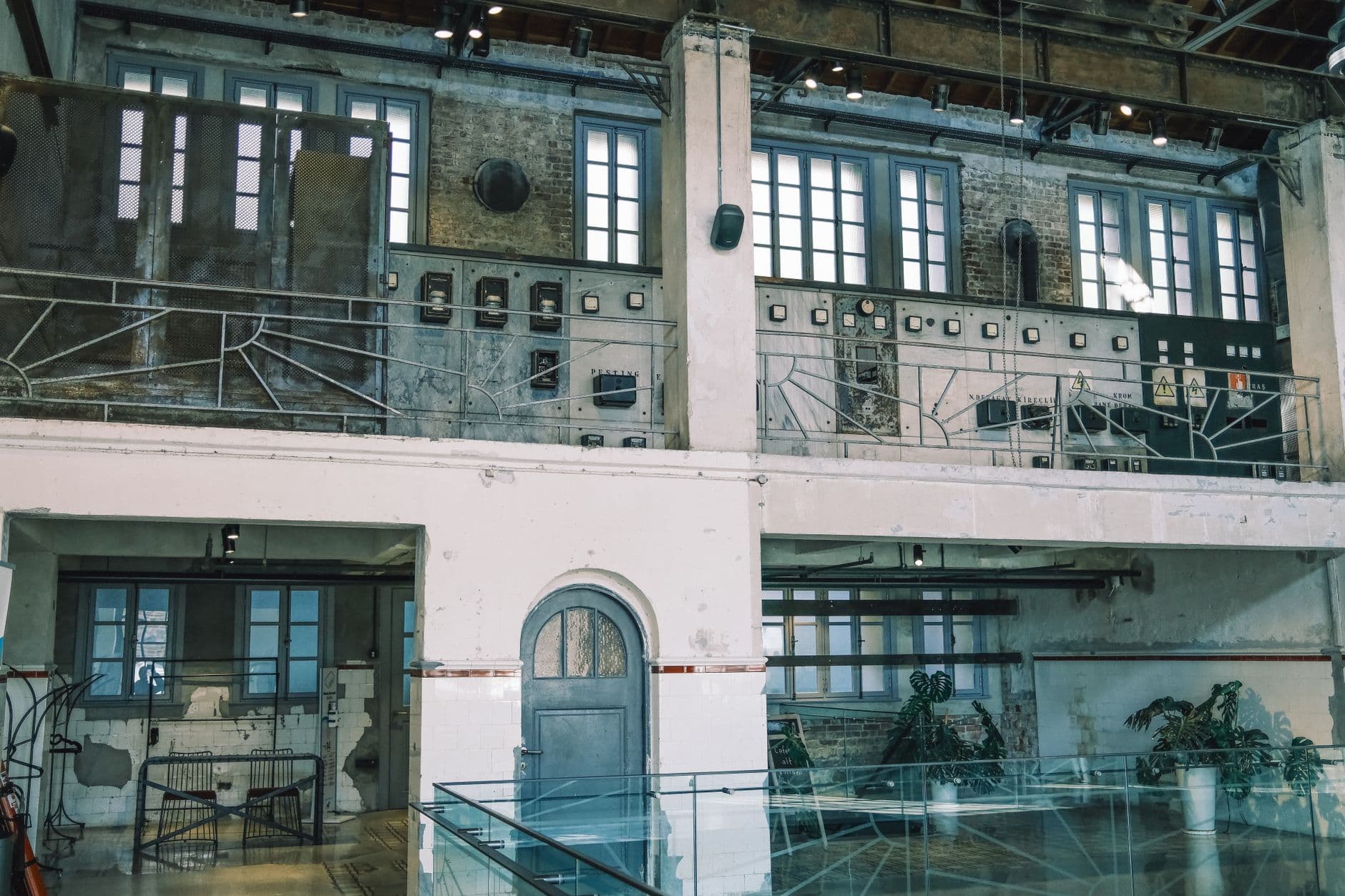
The tension is real. Heritage protections can preserve a building’s original industrial character and prevent speculative demolition, but they can also add another layer of approval to already complex sites. In West Launceston, council approval was essential. In Sydney, the combination of old utility ownership, maintenance easements and residual infrastructure means many sites are not simple residential lots waiting to be unlocked.
The lesson for housing policy
Converted substations do offer a useful case study in adaptive reuse. They show that old utility sites can be brought back into service, and they can keep distinctive architecture in the housing stock rather than on the scrap heap. But the evidence points to a narrow outcome: these are usually bespoke, high-friction projects in valuable locations, not a mass response to shortages.
That distinction matters. Australia can and should reuse underused buildings where the economics, planning rules and site conditions make sense. But substations alone will not solve affordability unless governments pair preservation with faster approvals, clearer safety pathways and a realistic assessment of who can actually buy the finished homes.
This article was produced by Prism’s automated news system from verified source data, official records, and press releases, then run through automated quality and moderation checks before publishing. The system is built and supervised by the people who set the standards it runs under. Read our full AI policy.
Did this article answer your question?