Austria Blocks U.S. Military Overflights, Citing Constitutional Neutrality Policy
Austria confirmed it refused every U.S. military overflight request tied to Operation Epic Fury, invoking a 1955 neutrality law that carries no NATO exception.
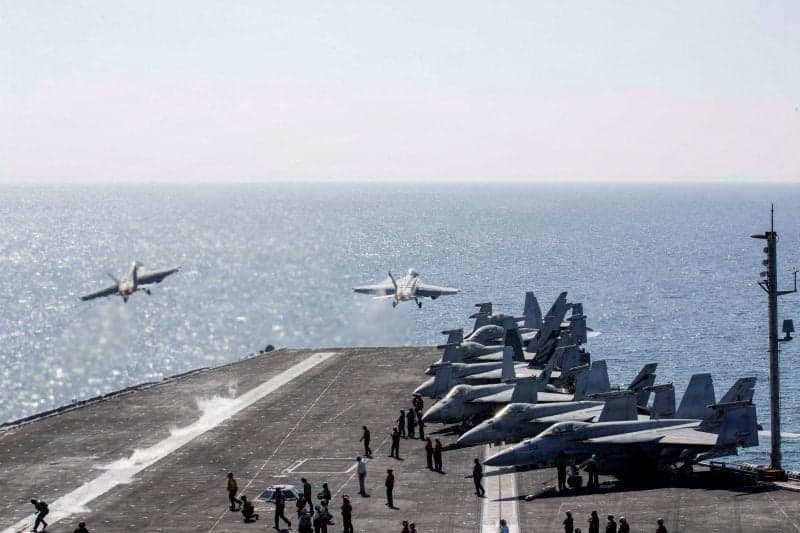
Colonel Michael Bauer, a spokesperson for Austria's Defense Ministry, confirmed Thursday that Vienna turned away every U.S. military overflight request tied to Operation Epic Fury since the conflict against Iran began on February 28. "There have indeed been requests and they were refused from the outset," Bauer told reporters, invoking the country's constitutional neutrality as the controlling legal authority.
The legal foundation for that refusal traces to October 26, 1955, when Austria formally adopted its Declaration of Neutrality following the end of Allied occupation after World War II. That constitutional law declares Austria's permanent neutrality and prohibits joining military alliances or permitting foreign military bases on its soil. An Austrian Defense Ministry spokesperson stated the principle plainly: "For reasons of neutrality, Austria refuses overflights and the transit of troops if these would serve to provide military support to a party to any conflicts." The ministry confirmed it is reviewing requests case-by-case in consultation with Austria's foreign ministry, but any flight connected to active hostilities against Iran fails that review by definition.
Austria is not a NATO member and has maintained this constitutionally enshrined policy of military neutrality since 1955, a status adopted after the Allied occupation following World War II ended. Its airspace forms a natural corridor for aircraft routing from western NATO bases toward the eastern Mediterranean, meaning denial of that corridor forces longer re-routing through alternate passages, adding fuel consumption, flight time, and planning complexity to an air bridge already stretched by the scope of the campaign.
Austria is not alone in drawing this line. Switzerland, Spain, Italy, and France have also banned the use of their territories and airspace for U.S. military assets related to the war in Iran. Spain's Defense Minister Margarita Robles confirmed the policy, saying: "We don't authorize either the use of military bases or the use of airspace for actions related to the war in Iran." Trump criticized European allies on Truth Social, blasting their refusal to support U.S. military operations tied to the war with Iran, and warned that the United States would "remember" France's decision specifically.
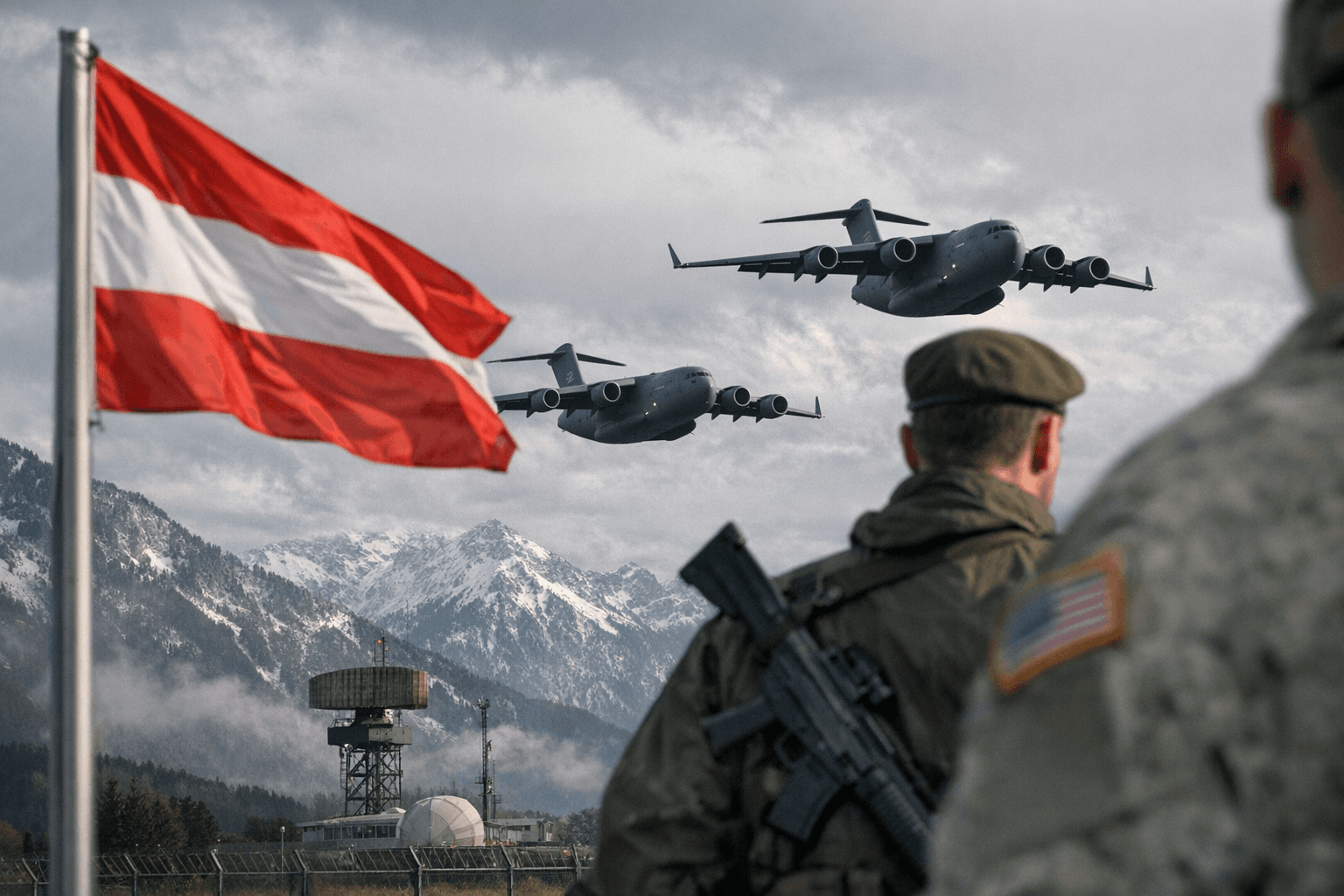
Austria's vice-chancellor reinforced Bauer's statement by publicly criticizing the U.S.-Israeli strikes, signaling the refusal carries political backing beyond the ministry level. Austria's opposition Social Democratic Party called on the government to maintain its current stance, while coalition partners debated whether narrow exceptions might be carved for non-combat logistics. The Defense Ministry declined to specify how many individual requests it rejected or the precise nature of the missions involved.
At a Pentagon press briefing, senior officials expressed concern that European restrictions on U.S. access could complicate operational logistics and delay potential strike plans. The 1955 neutrality framework Austria adopted as a condition of Soviet withdrawal from its occupation zone has, seventy-one years later, become a structural constraint on American power projection across a continent its closest allies largely populate.
Whether other EU member states follow Austria's example will hinge less on geography than on each government's domestic political calculus. The fault line opening across European capitals is not between east and west or large states and small, but between governments willing to classify facilitation of active combat operations as participation in a war, and those that are not.
Know something we missed? Have a correction or additional information?
Submit a Tip

