Austria opens police station in Hitler's birthplace to deter Nazis
Austria turned Hitler’s birthplace into a police station after a 20 million-euro renovation, betting visibility will deter Nazi pilgrimages.
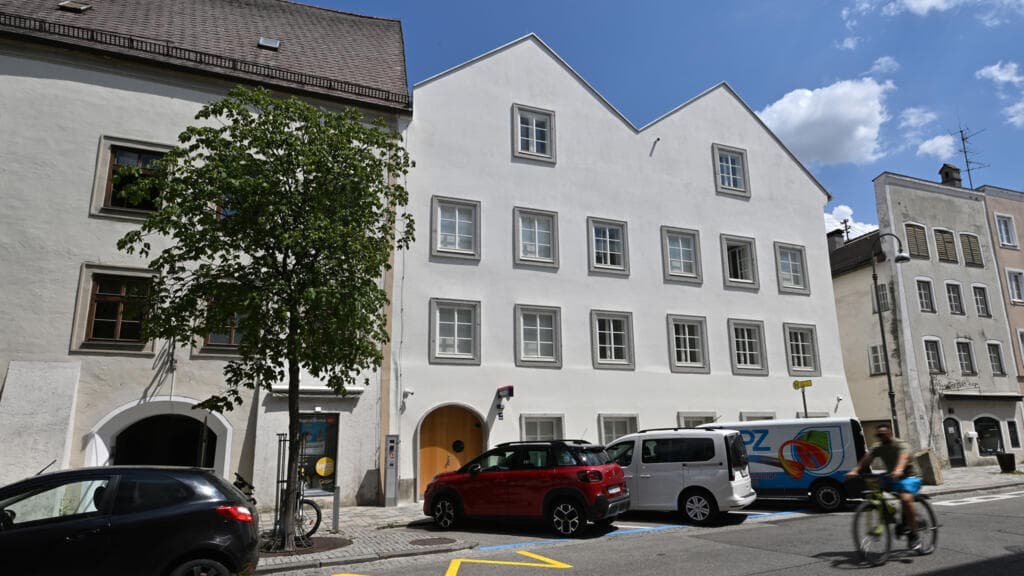
Austria opened a police station in the house where Adolf Hitler was born in Braunau am Inn, ending years of dispute over how to handle one of the country’s most toxic addresses. The 17th-century former inn at Salzburger Vorstadt 15, on the border with Germany, was repurposed after officials said they wanted to stop neo-Nazi and far-right visitors from treating it as a shrine.
Hitler was born there on April 20, 1889. Austrian lawmakers voted in 2016 to seize the property from owner Gerlinde Pommer after she repeatedly refused to sell it or allow renovations, and the state later paid compensation. Work began on Oct. 2 to turn the building into a police station, district police headquarters and human rights training site, with renovation costs put at around 20 million euros.
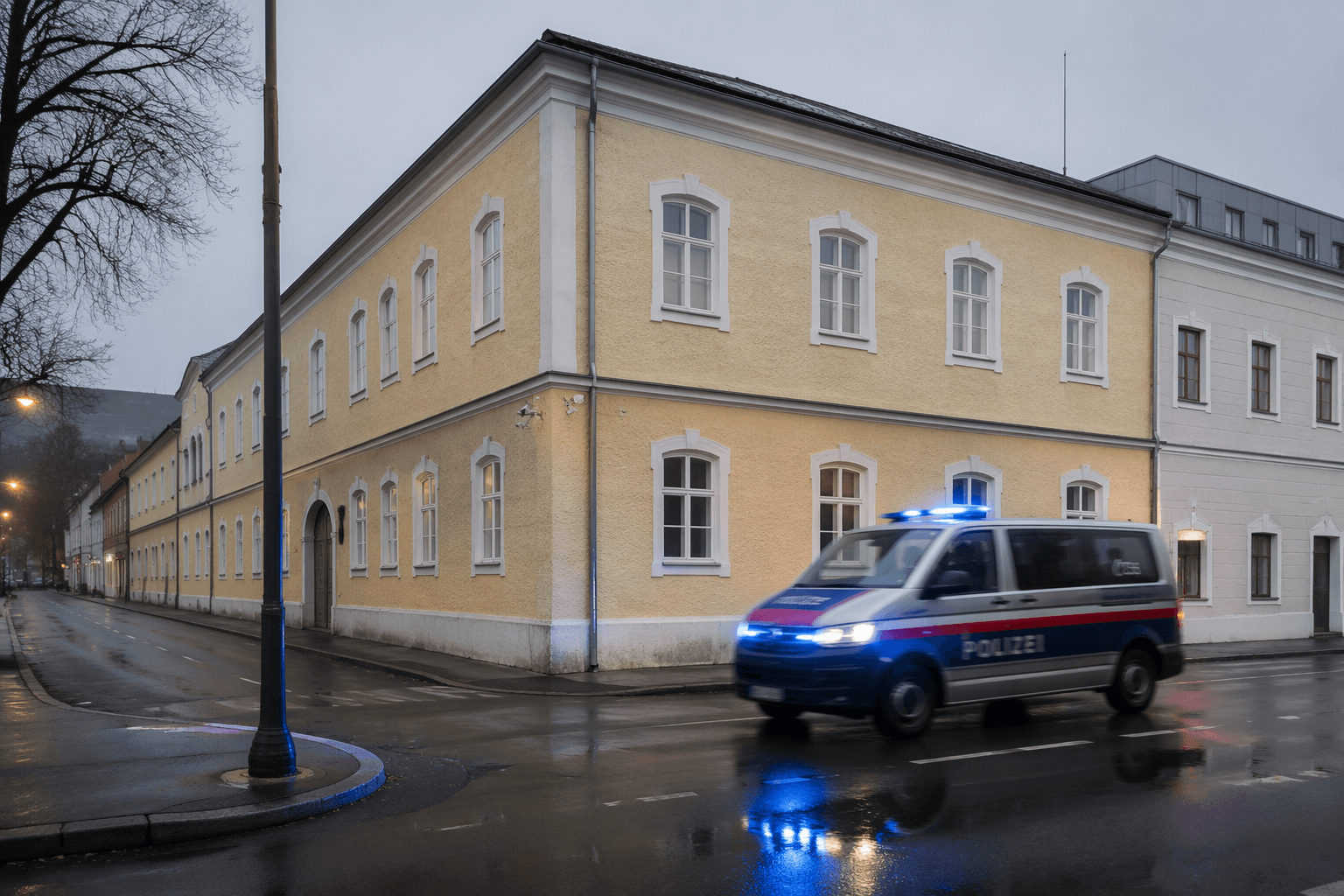
The decision captures a long-running Austrian dilemma: whether a place tied to Adolf Hitler should be erased, absorbed into daily civic life or turned into an explicit site of memory. Supporters say putting police inside the building helps neutralize its symbolic pull and signals that democratic institutions now occupy a space once associated with fascist ideology. Critics and Holocaust campaigners have argued that a police station risks burying the history of the site and that a museum or education center would have done more to confront what happened there.
Austria’s choice fits a wider international pattern in which governments try to strip violent pasts of their power without pretending they never existed. In Cambodia, former centers of repression have been folded into memorial landscapes, including the Tuol Sleng Genocide Museum and Choeung Ek, both part of UNESCO-listed Cambodian Memorial Sites described as places of peace and reflection. In Chile, the Memory and Human Rights Museum in Santiago places state violence inside a modern public institution built for education. Romania has also used a former prison as a memorial museum, turning a site of coercion into one of remembrance.
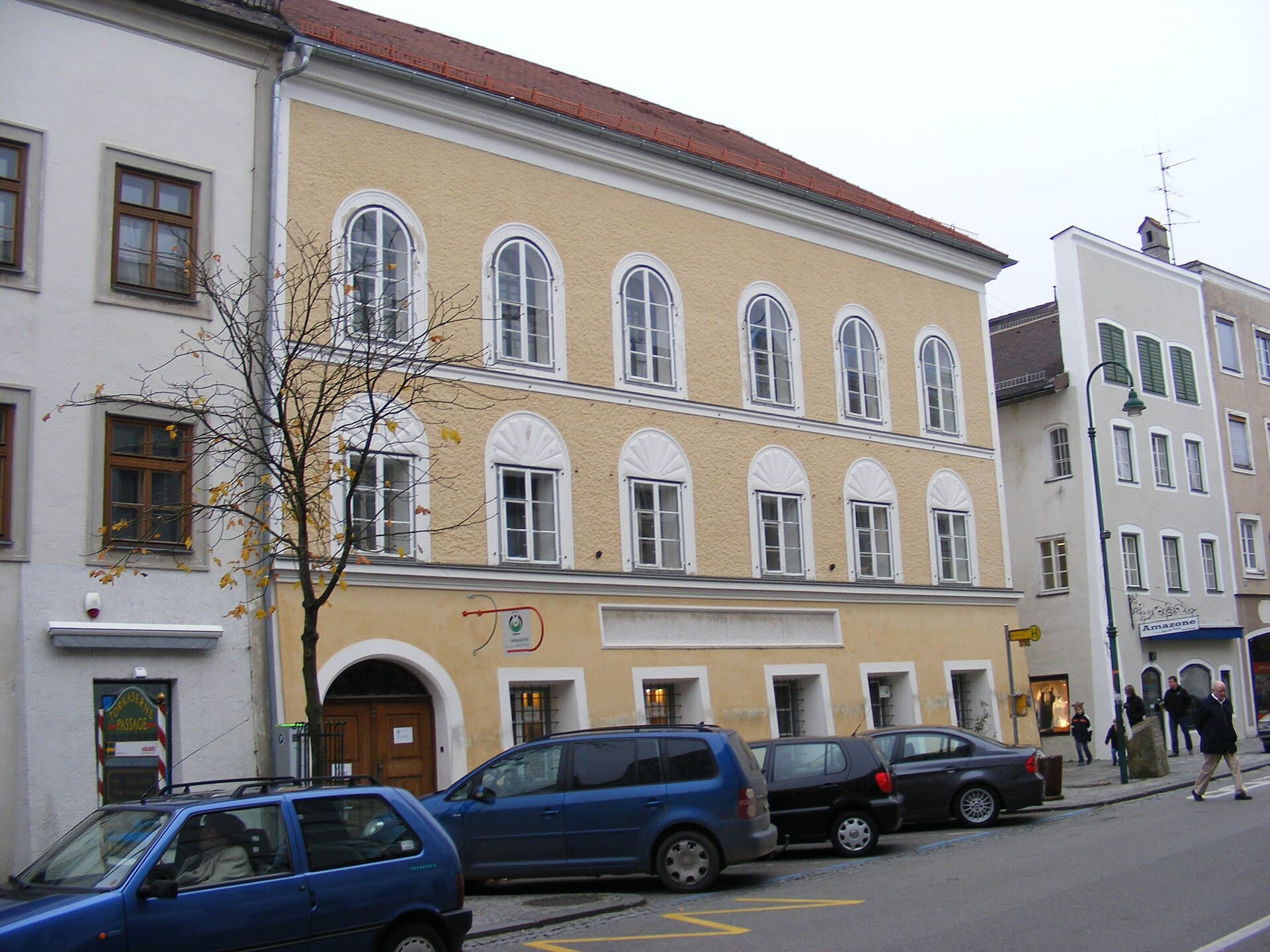
Braunau am Inn has long been drawn into that same struggle over public memory. By placing the police at Hitler’s birthplace, Austrian authorities are betting that a visible state presence will keep extremists away and make pilgrimage harder to sustain. Whether the strategy changes behavior or merely manages the optics of a difficult history remains the central question surrounding Salzburger Vorstadt 15.
This article was produced by Prism’s automated news system from verified source data, official records, and press releases, then run through automated quality and moderation checks before publishing. The system is built and supervised by the people who set the standards it runs under. Read our full AI policy.
Did this article answer your question?