Austrian jury weighs terror plot tied to Taylor Swift Vienna concerts
A Vienna jury weighed a terror plot tied to Taylor Swift’s canceled shows, exposing stadium concerts as soft targets and triggering global security fallout.

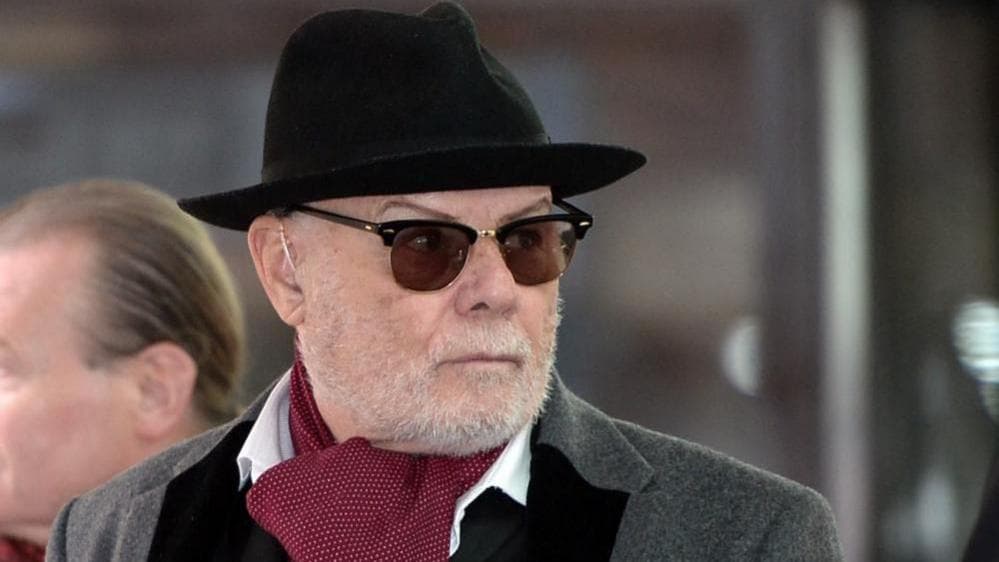
The jury in Vienna was sent out for deliberations on Thursday in a case that has come to stand for the vulnerability of mass pop culture events to lone-actor radicalization. Beran A, 21, had already pleaded guilty to the main charges, including terrorism offences, over a foiled Islamist plot tied to Taylor Swift’s canceled Vienna concerts.
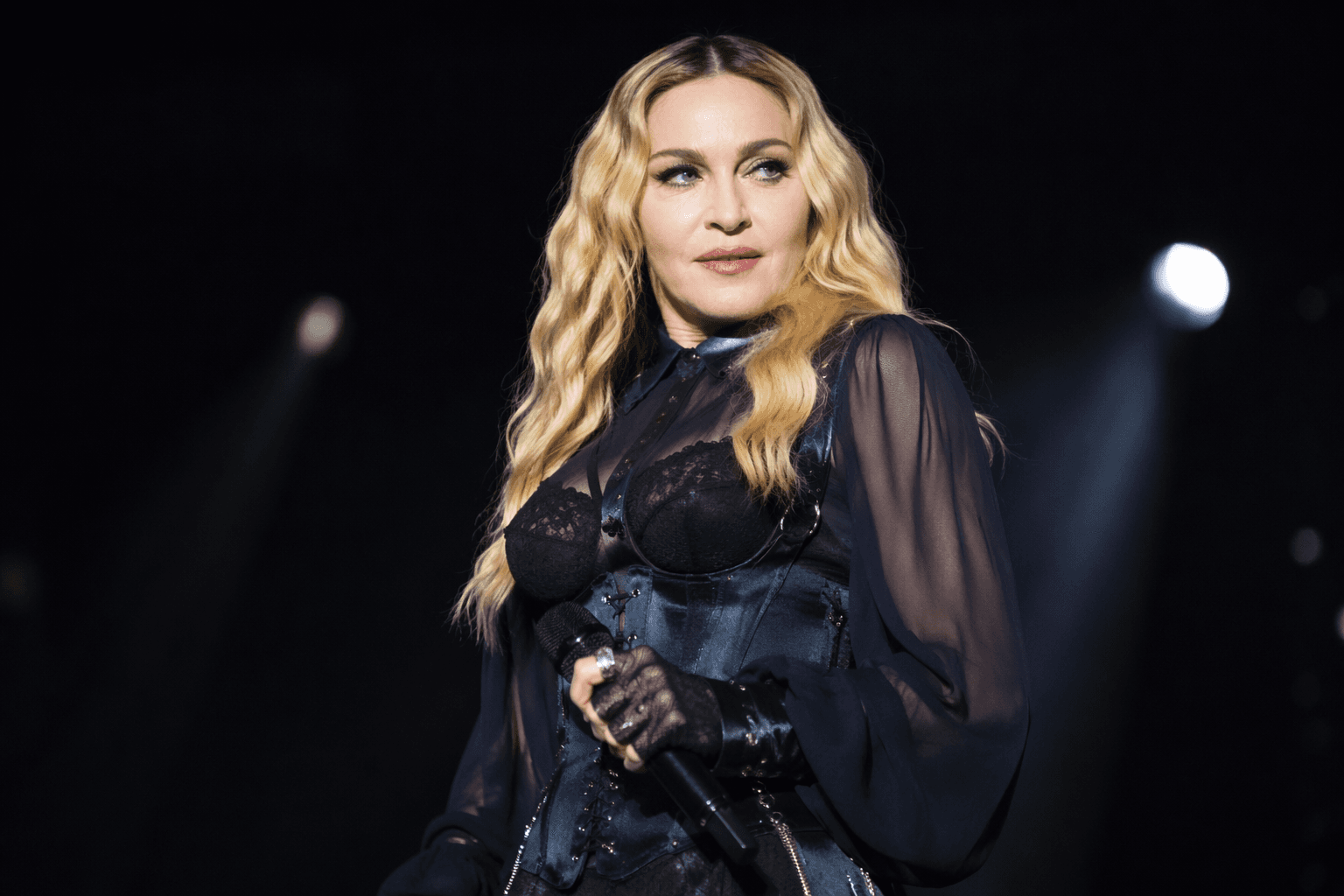
The trial is being heard in Wiener Neustadt, south of Vienna, far from the roar of the stadium crowds that never arrived. Austrian authorities canceled Swift’s three shows scheduled for August 8-10, 2024 after the plot was uncovered, a decision that triggered automatic refunds and left fans who had traveled from across Europe facing a bitter, logistical and emotional reversal. Swift later said the situation was devastating, and she stressed that the cancellations were driven by the risk to fans rather than a safety concern on site.
Authorities arrested Beran A on August 7, 2024, the day before the first planned concert. Investigators said the plot was inspired by ISIS and al Qaeda, and they found bomb-making materials at one suspect’s home. Austrian officials also linked a separate 17-year-old Austrian citizen and a 19-year-old Austrian citizen to plans to kill people outside the venue with knives or self-made explosives. U.S. intelligence services tipped off Austrian authorities, underscoring how quickly a local threat can become an international intelligence case when a major tour is in play.
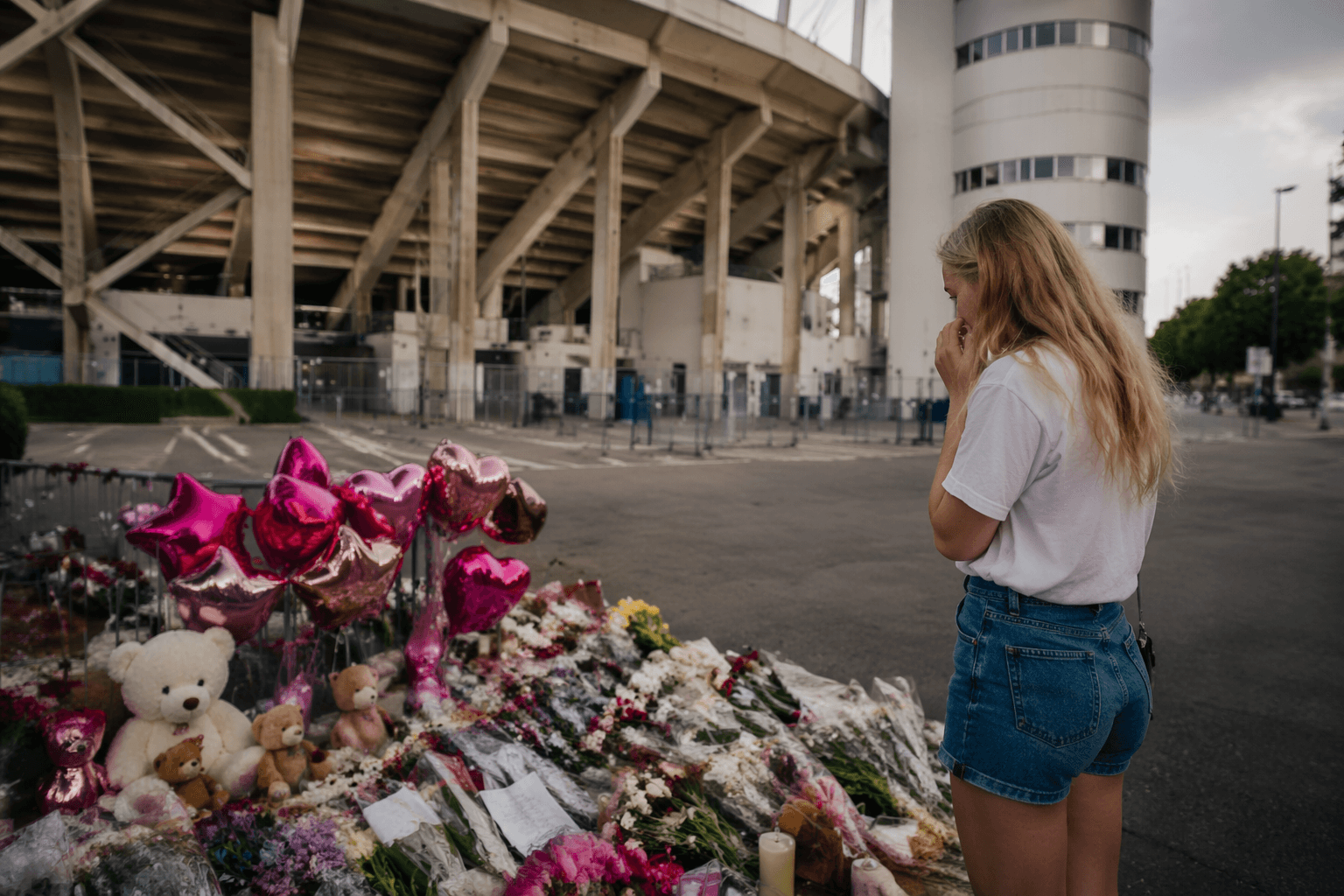
The case has carried weight beyond the courtroom because it highlights the security challenge of protecting stadium-scale concerts, which remain soft targets despite heavy policing and layered controls. Ernst-Happel-Stadion, where Swift was due to perform, was never breached, but the threat alone was enough to alter a global tour and force one of the biggest pop acts in the world off a European stage.
Security analysts have pointed to the Vienna plot as a warning for major tours across Europe, where crowded entertainment venues can be attractive to extremists looking for high-profile disruption with limited resources. The Combating Terrorism Center at West Point has described the case as part of a broader pattern of Islamic State-inspired youth radicalization and online influence.
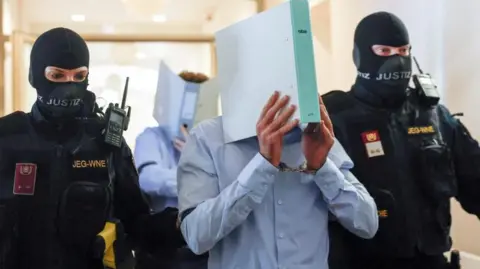
For Beran A, the legal exposure is severe: under Austrian law, he faces a maximum sentence of 20 years in prison. For concert promoters, police and intelligence services, the deeper lesson is that one credible plot can force cancellations, reshape protection plans and turn a night of pop into a test of national security.
This article was produced by Prism’s automated news system from verified source data, official records, and press releases, then run through automated quality and moderation checks before publishing. The system is built and supervised by the people who set the standards it runs under. Read our full AI policy.
Did this article answer your question?