Austria's ruling conservatives rocked as parliamentary leader resigns after conviction
August Woeginger quit as Austria’s conservative parliamentary leader after a court gave him a suspended sentence and fine over a Braunau tax office appointment.

August Woeginger resigned as Austria’s parliamentary leader for the ruling conservatives within moments of a court convicting him of misuse of office and handing him a seven-month suspended prison sentence and a 43,200-euro fine.
The Linz Regional Court ruled that Woeginger had intervened in the 2017 process to choose the head of the tax office in Braunau am Inn, near the German border, on behalf of a mayor from his party. Two co-defendants were also convicted in the same case. Woeginger said he maintained his innocence and would appeal, and he remained a lawmaker after stepping down from the caucus leadership.
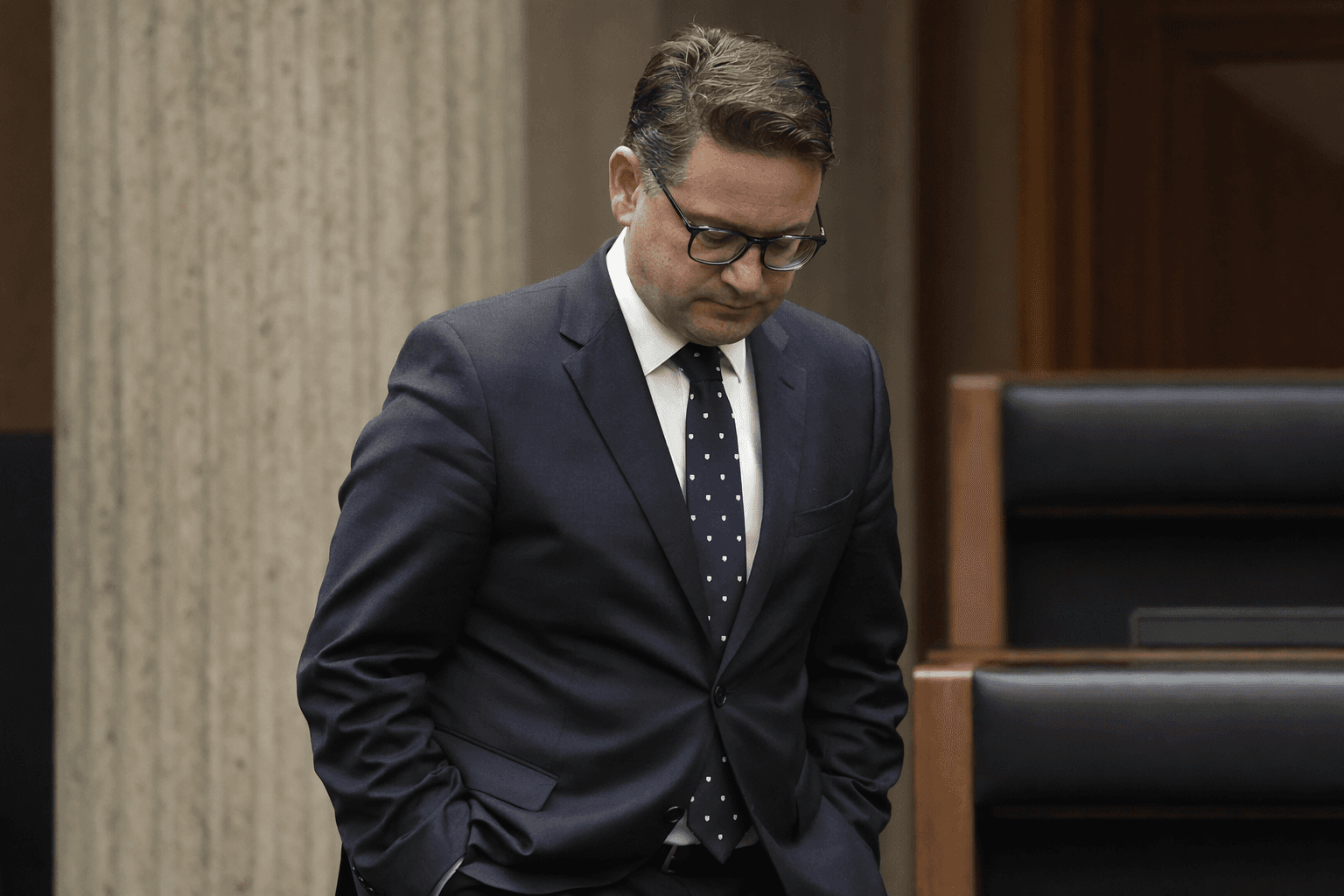
The verdict landed as a political blow to Chancellor Christian Stocker and the Austrian People’s Party, which has tried to project steadiness while managing the fallout. Stocker called it a “very harsh sentence” and said, “Personally, I would have wished August Woeginger an acquittal.” The case now tests how Austria’s center-right responds when a senior figure is convicted in a dispute that is bureaucratic on its face but politically explosive in its implications.
The Braunau affair has already reached beyond one politician’s career. Earlier reporting said service measures were opened against two senior Finance Ministry officials who were said to have sat on the personnel commission that decided the post. The case had also taken a more lenient procedural path before an appeal court overturned that arrangement and sent it to a full trial, underlining how seriously the judiciary treated the allegations.
Its wider significance lies in Austria’s long history of party patronage. Academic work has described the country’s old Proporz system as one in which influential posts were often divided along party lines, a structure that shaped appointments across public administration for decades. That culture has changed under public pressure, but the Woeginger case suggests the instinct to use political networks to influence state jobs has not fully disappeared. For the conservatives, the conviction is more than one man’s legal setback. It is another test of whether mainstream parties can still claim credibility while confronting the lingering habits of patronage that have long shadowed Austrian politics.
This article was produced by Prism’s automated news system from verified source data, official records, and press releases, then run through automated quality and moderation checks before publishing. The system is built and supervised by the people who set the standards it runs under. Read our full AI policy.
Did this article answer your question?

