Authorities let residents return home as Bordeaux wildfire eases
Residents began returning to Gironde after the Bordeaux wildfire eased, following more than 220,000 evacuations and the loss of over 200 homes.
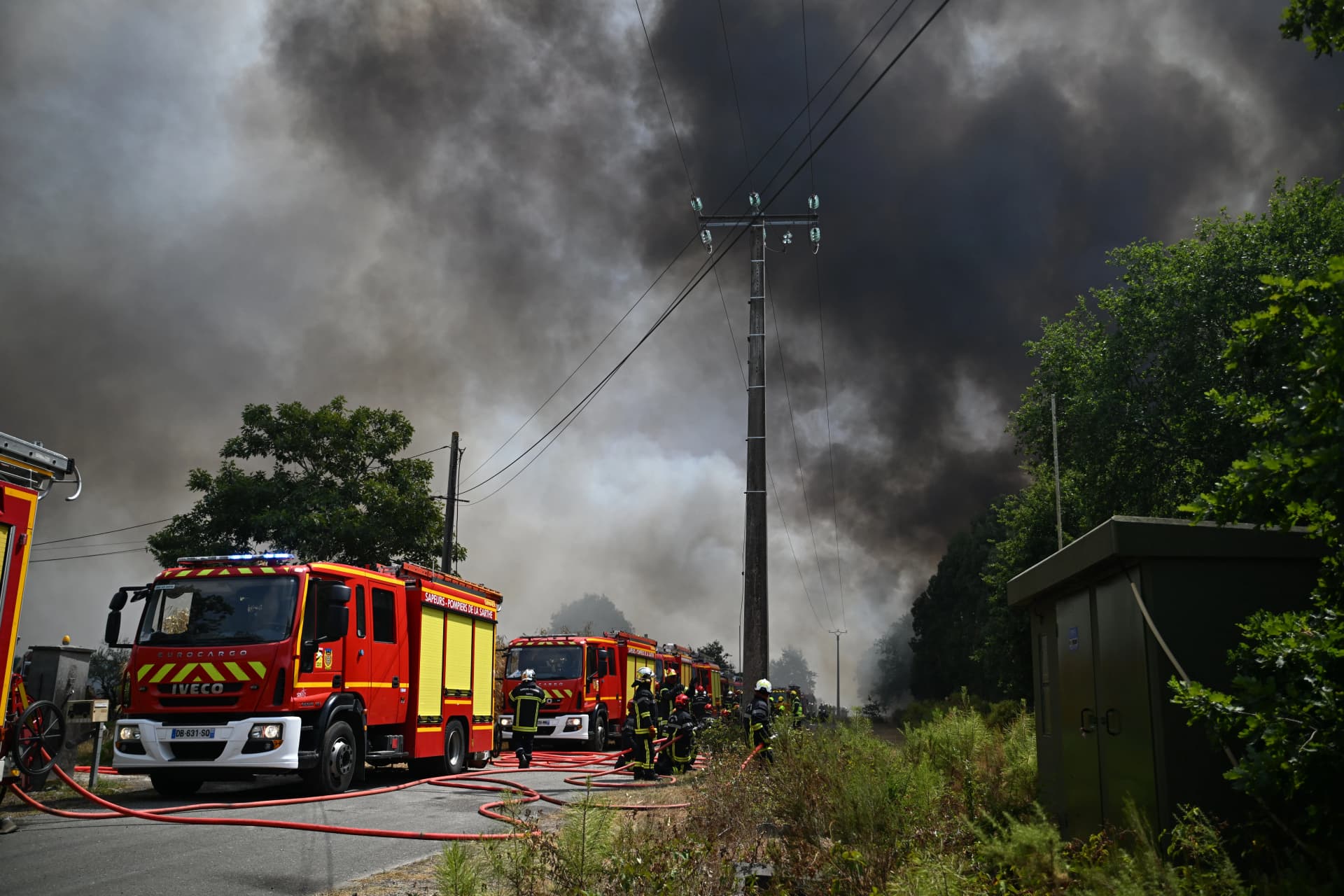
Authorities in southwestern France began letting residents return home as the wildfire near Bordeaux weakened, easing days of smoke, fear and mass evacuations. The move came after firefighters won back enough ground to reopen parts of Gironde, even as other blazes kept burning in Greece and western Spain.
The fire had started in the Saumos area on July 22 and spread fast through a dry, heat-battered landscape. By July 30, the Gironde blazes had forced the evacuation of 220,000 people for more than a week, destroyed more than 200 homes and burned 42,000 hectares. Tens of thousands had been moved out earlier in the week, and the scale of the evacuation turned the Bordeaux fire into one of the most disruptive emergencies of France’s summer.
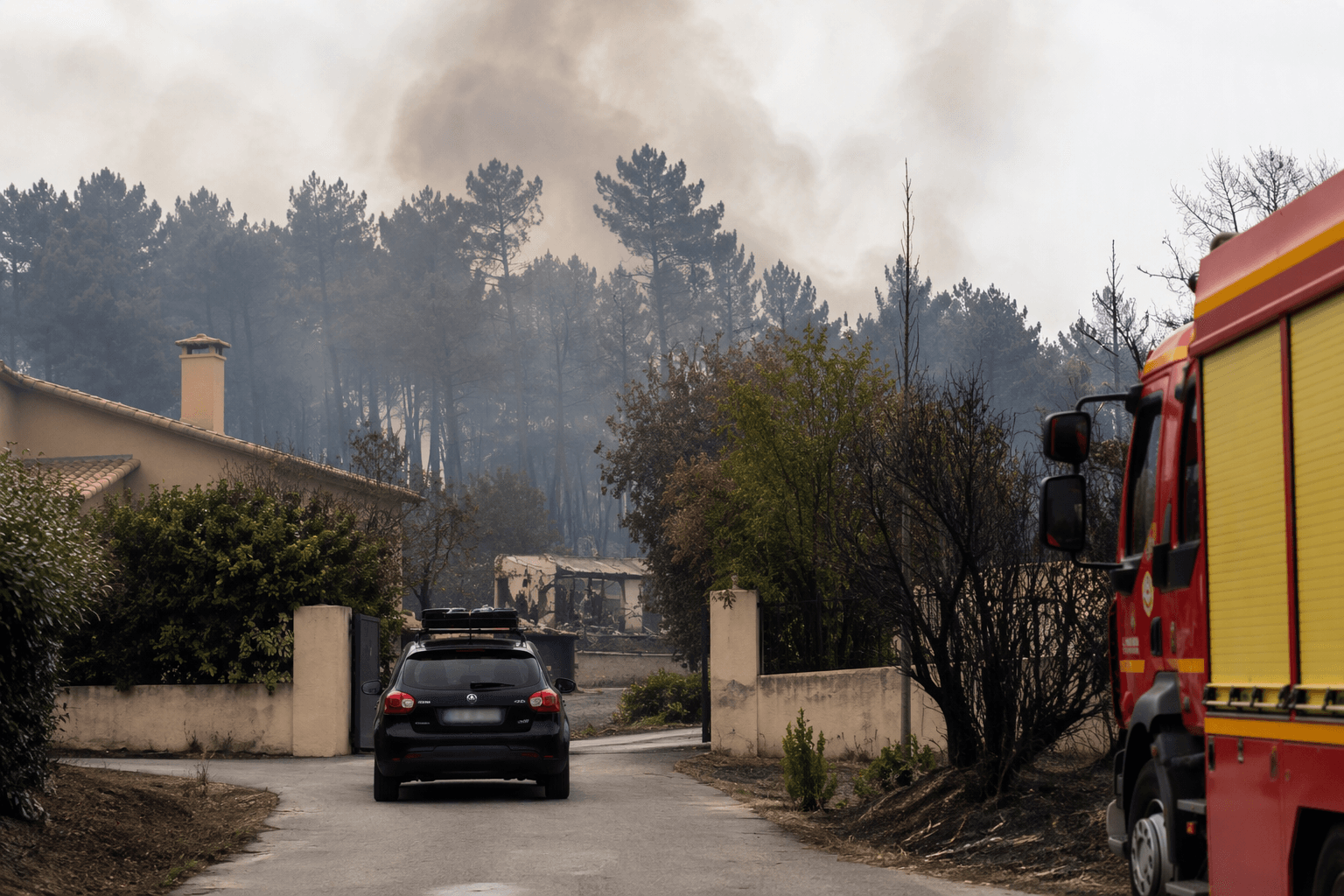
The improvement remained fragile. On July 30, authorities ordered more evacuations in the Bordeaux area as heat threatened to undo the progress firefighters had made, and France was bracing for a fourth major heatwave while crews worked the fire line. Interior Minister Laurent Nuñez said on July 26 that 115,000 hectares had burned across France since the start of the year, a measure of how far the country has already been pushed by repeated fire seasons. Police also arrested two people on July 30 on suspicion of arson in connection with the Bordeaux-area fires.
The wider European picture was just as unsettled. Fires near Bordeaux and Madrid brought some respite on July 31, but the same weather pattern was still feeding active blazes elsewhere. Record-breaking heatwaves and drought-parched vegetation have left France, Spain and Greece vulnerable to rapid fire spread, and the July crisis showed how quickly control can slip when temperatures rise again.
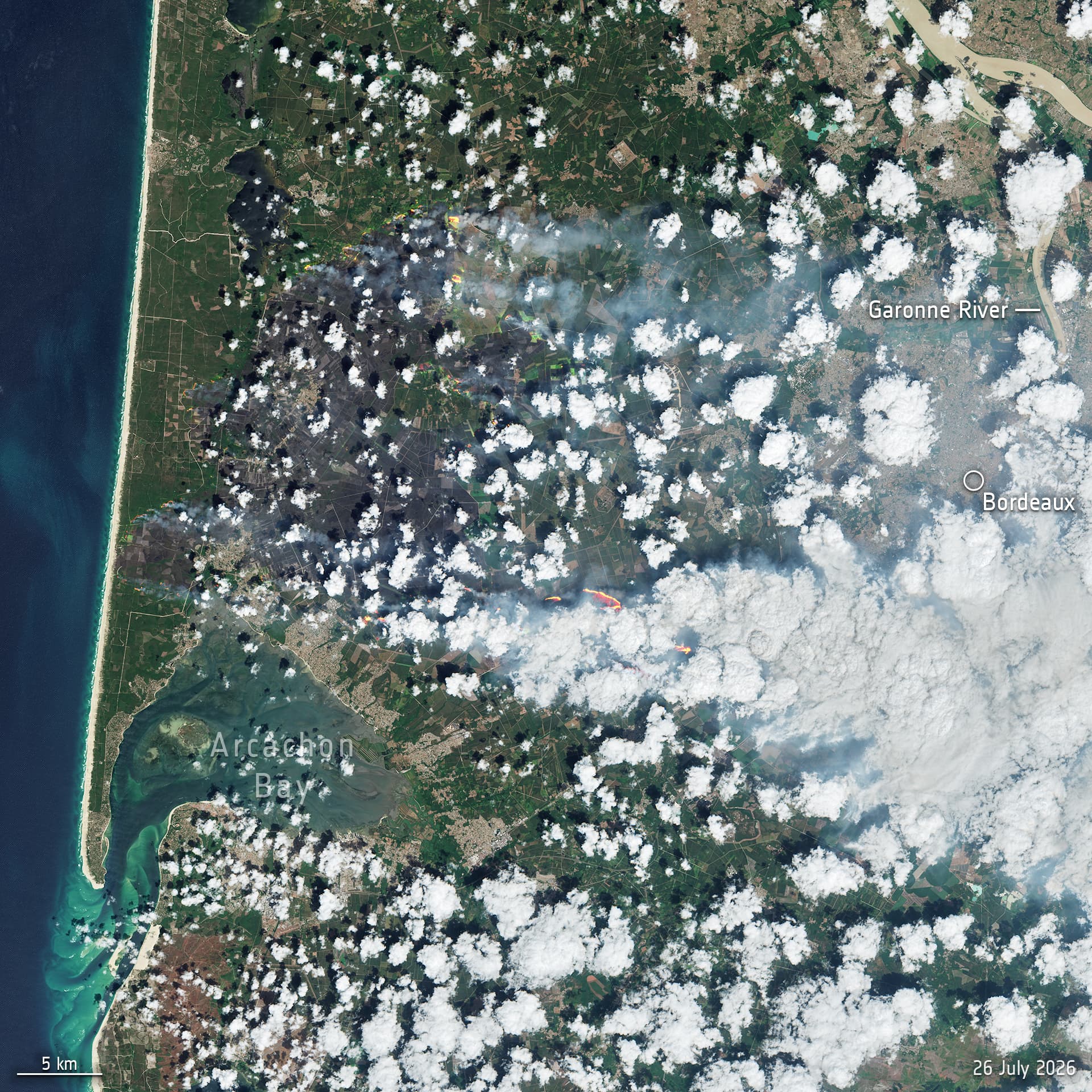
For Gironde, the first residents allowed back were returning to homes and neighborhoods shaped by more than a week of emergency orders, smoke and uncertainty. The return marked a step back from immediate danger, but the damage already counted in burned land, destroyed houses and repeated evacuations will keep defining the recovery long after the flames subside.
This article was produced by Prism’s automated news system from verified source data, official records, and press releases, then run through automated quality and moderation checks before publishing. The system is built and supervised by the people who set the standards it runs under. Read our full AI policy.
Did this article answer your question?