Autonomous Autoland Brings Beechcraft Safely to Rocky Mountain Runway
A Beechcraft Super King Air used Garmin Autoland to land at Rocky Mountain Metropolitan Airport after the crew reported a rapid, uncommanded loss of pressurization, marking the first reported real world emergency use of the system. The plane touched down without injuries, and the Federal Aviation Administration has opened an investigation, raising fresh questions about automation, cockpit roles, and regulatory oversight.
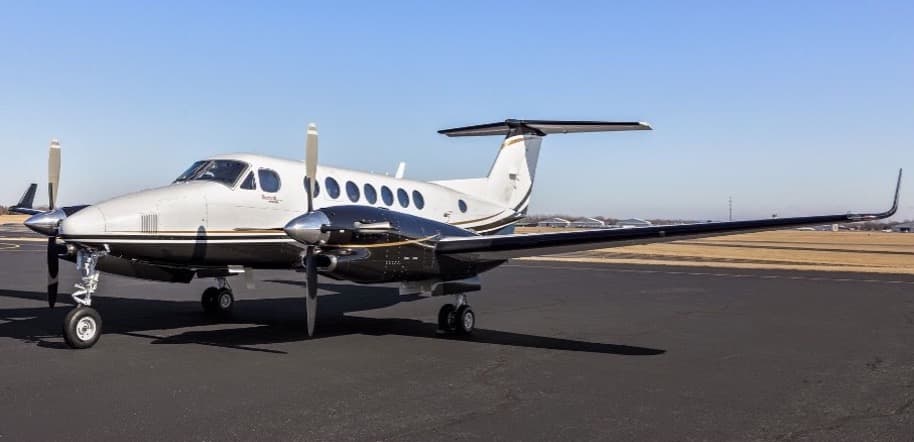
A Beechcraft Super King Air operated by Buffalo River Aviation made an automatic, fully guided landing at Rocky Mountain Metropolitan Airport near Denver on Saturday, Dec. 20, after its onboard Garmin Autoland system engaged in response to an in flight emergency. FlightAware tracking shows the airplane departed Aspen Regional Airport at roughly 1:45 p.m. local time and touched down at about 2:20 p.m.
Buffalo River Aviation said the aircraft experienced a "rapid, uncommanded loss of pressurization" and that both pilots donned oxygen masks immediately. The operator and Garmin reported that the Autoland system "automatically engaged exactly as designed when the cabin altitude exceeded the prescribed safe levels." The two pilots chose to keep Autoland engaged because of the situation's "complexity," while remaining prepared to resume manual control if necessary. No passengers were on board and no injuries have been reported.
An FAA statement said, "A Beechcraft Super King Air landed safely at Rocky Mountain Metropolitan Airport in Colorado around 2:20 p.m. local time on Saturday, Dec. 20, after the pilot lost communication with air traffic control. An onboard emergency autoland system was activated. Two people were on board. The FAA is investigating." Rocky Mountain Metropolitan Airport officials and North Metro Fire confirmed that fire and rescue units responded to the airport as a precaution and that the aircraft landed without incident.
Pilots and local observers described an unusual sequence of events. Flight instructors on the field reported overhearing radio exchanges and emergency vehicle deployments. One instructor said, "We might be witnessing something pretty cool here," after recognizing autopilot and autoland call signs and seeing the airport response.
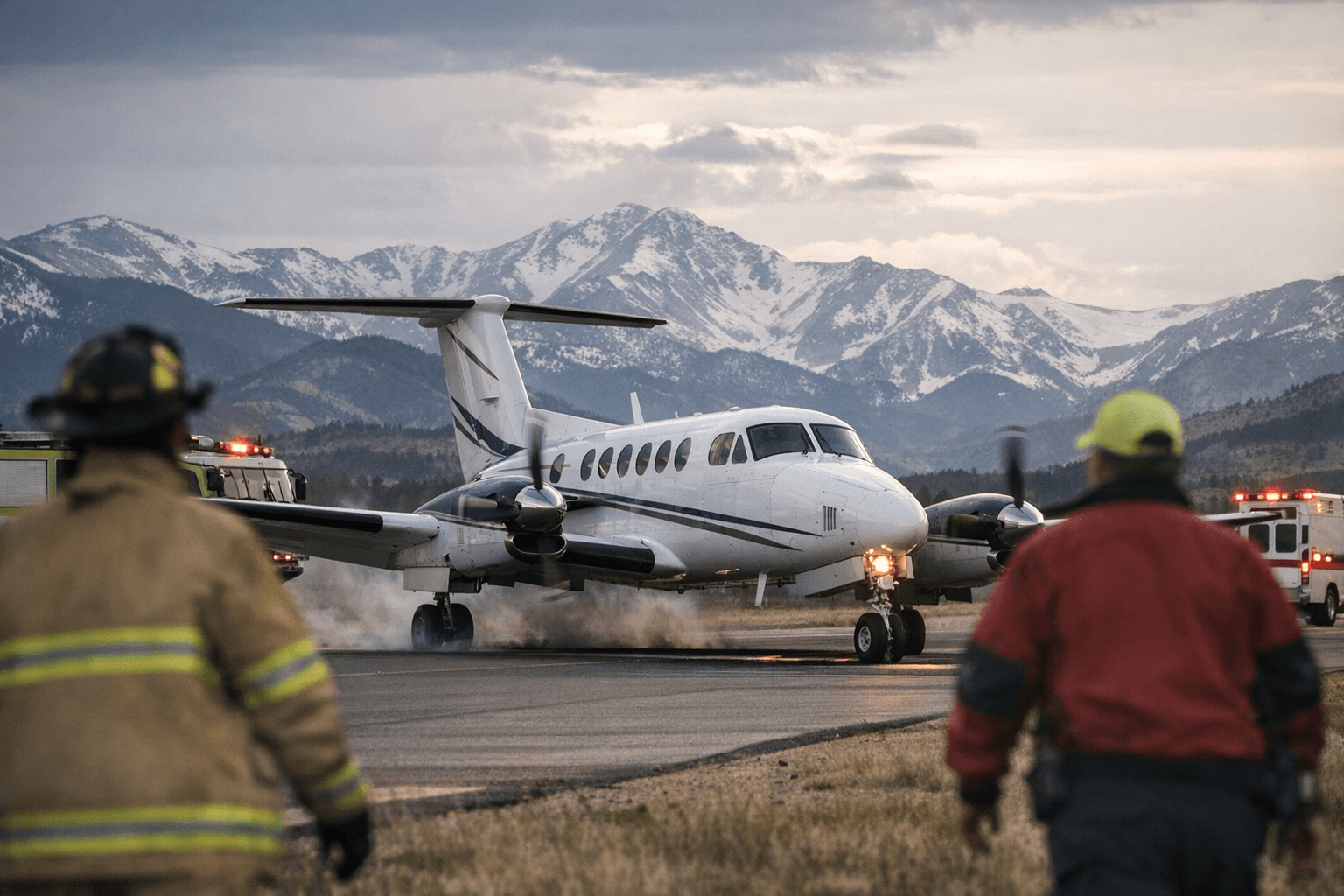
Garmin and Buffalo River Aviation described the episode as the first full emergency activation and use of Garmin's Autoland system in a real world emergency. The technology, certified for certain piston and turboprop aircraft and increasingly offered on newer models, is designed to assume control and fly a safe approach and landing when crews are incapacitated or when systems detect dangerously high cabin altitudes. In this case the automation routed the aircraft to a nearby airport and completed the approach and touchdown.
Aviation safety experts say the event will be scrutinized not only for what went wrong with the airplane's pressurization system, but also for how automated emergency systems interact with human pilots under stress. The incident underscores both the potential life saving benefits of automation and the need for clear protocols governing when pilots should intervene and how data from such activations are recorded and analyzed.
The FAA has opened an investigation and Buffalo River Aviation and Garmin have said they are cooperating and will provide more details when appropriate. No formal findings, probable cause determinations, or regulatory actions have been announced. The event is likely to prompt regulators and industry to examine certification standards, cockpit training, and data sharing practices as automated emergency systems become more common in commercial and private aviation.
This article was produced by Prism’s automated news system from verified source data, official records, and press releases, then run through automated quality and moderation checks before publishing. The system is built and supervised by the people who set the standards it runs under. Read our full AI policy.
Did this article answer your question?


