Avi Loeb to lead White House UAP science advisory council
Avi Loeb was tapped to chair a White House-backed UAP council, putting a prominent Harvard astronomer at the center of the federal UFO debate.

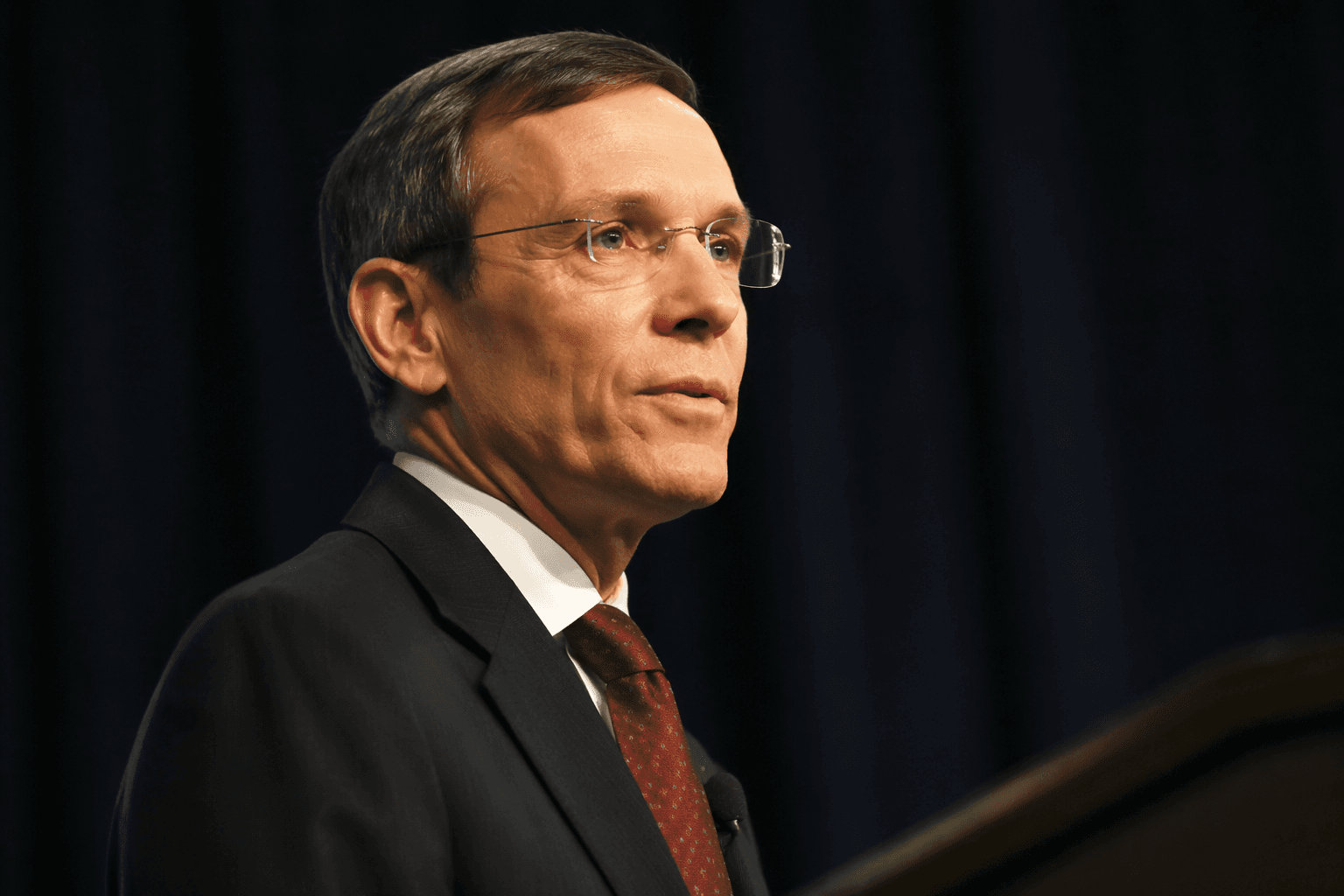
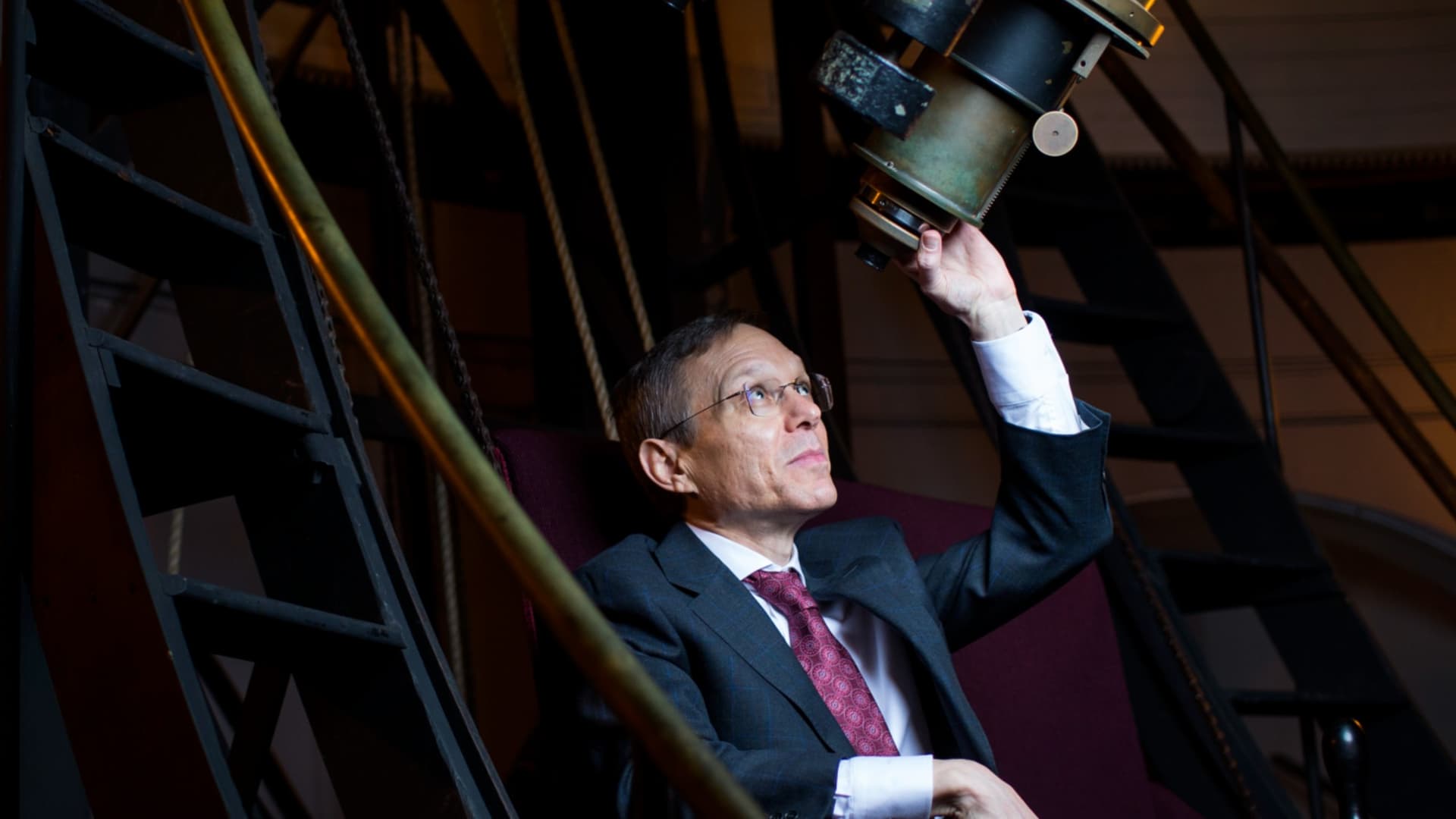
Avi Loeb was tapped to lead the White House’s new UAP Science Advisory Council, giving one of the most visible academic voices on unidentified anomalous phenomena a formal role in the federal effort. The panel was assembled at the request of the White House, the Pentagon, the Office of the Director of National Intelligence, the Federal Bureau of Investigation and the wider intelligence community, and it is meant to advise a UAP Governing Board as it tries to “resolve the nature of UAP.”
Loeb brings unusual academic stature to the assignment. He was Harvard University’s longest-serving chair of the Department of Astronomy until 2020, and he has also led the Galileo Project since 2021, a program built to move the search for extraterrestrial technological signatures from anecdote and legend into “mainstream, transparent, validated and systematic scientific research.” Loeb has said the council’s aim is to use peer-reviewed, transparent, data-driven science to determine what military and intelligence sensor data actually show.
The appointment lands in the middle of a broader federal push to declassify more UFO and UAP material. The Pentagon has been working for years to release documents tied to unexplained sightings, and Congress created the All-domain Anomaly Resolution Office in 2022 to help sort the material. NASA’s 2023 UAP independent study said stigma still discourages reporting and called for more scientific data collection. A 2024 congressional report then found hundreds of new UAP incidents, but no evidence that the U.S. government had ever confirmed alien technology.
That backdrop makes Loeb’s selection politically and institutionally significant. The council is intended to add scientific discipline to a topic that draws heavy public attention and deep skepticism in equal measure. Loeb has built his career around hard questions in astrophysics and cosmology, but his public interest in possible extraterrestrial explanations has also made him a polarizing figure, with critics arguing that his approach can blur the line between rigorous inquiry and speculation.
Early descriptions of the council put its size at roughly 12 to 14 scientists, and one account said the group had sought access to more than 50 Pentagon records. If the White House wants the UAP file treated less like a curiosity and more like a serious evidence problem, Loeb’s council will be judged on whether it can deliver findings that survive scrutiny from both scientists and national-security officials.
This article was produced by Prism’s automated news system from verified source data, official records, and press releases, then run through automated quality and moderation checks before publishing. The system is built and supervised by the people who set the standards it runs under. Read our full AI policy.
Did this article answer your question?


