Avista files four-year rate case that could raise local energy bills
Avista filed a four-year general rate case proposing higher electric and natural gas bills, with a large first increase in 2027. The Washington commission will review the filing and issue a decision later in 2026.

Avista Corporation filed a four-year general rate case with the Washington Utilities and Transportation Commission on Jan. 17, seeking to raise average residential electric and natural gas bills in its Washington service territory over the next four years. The company’s proposal calls for a sizable initial increase in 2027 followed by smaller increases in subsequent years, a structure that would front-load near-term revenue for planned investments.
The filing lays out projected dollar impacts for typical customers in the Washington territory and frames the request as necessary to support infrastructure improvements and customer assistance programs. Avista serves customers across eastern Washington and North Idaho, including Kootenai County, and the proposal will be watched closely by local residents and municipal leaders who track energy costs during cold months when heating expenses climb.
Under the regulatory timetable, the Washington commission has up to 11 months to review the filing and issue a ruling; a decision is expected later in 2026. That review period typically includes a technical examination of rate base, operating costs and customer protections as regulators balance reliability, investment needs and affordability. The company’s requested schedule emphasizes an early revenue boost to underwrite near-term projects, with smaller adjustments in later years.
For Kootenai County households the immediate effect depends on how closely Avista’s Washington proposal aligns with any future actions in Idaho. Avista’s service area spans state lines, and company-wide capital plans and cost-recovery approaches in one jurisdiction can influence later filings elsewhere. Higher bills in Washington would heighten local attention to utility assistance programs, efficiency measures and municipal budgeting for energy-dependent services.
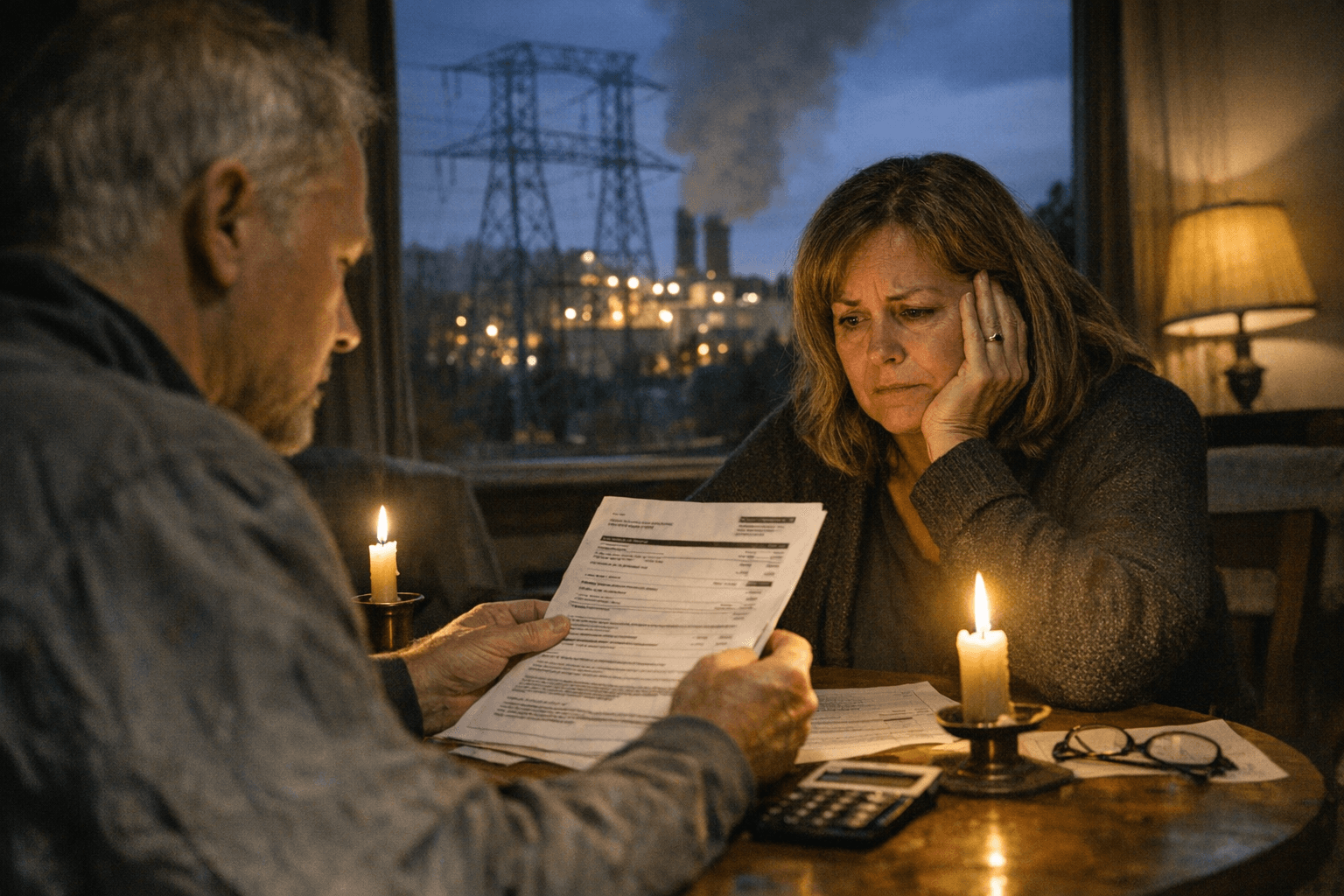
Local governments, community service agencies and residents should expect public notice of the commission review process and opportunities to submit comments or participate in hearings as the case proceeds. Avista’s emphasis on investments and customer help signals the company intends to link rate increases with reliability upgrades and aid for vulnerable customers, but exact customer impacts will hinge on the commission’s final decision and any modifications it imposes.
What this means for readers: watch for formal notices from Avista and the Washington commission, review proposed impacts for typical residential customers when they are published, and check available assistance or weatherization options if energy costs strain household budgets. The commission’s decision later in 2026 will determine whether the proposed increases take effect and shape the next several years of local energy costs.
Sources:
Know something we missed? Have a correction or additional information?
Submit a Tip