AWS billing glitch sends customers shockingly huge false invoices
AWS acknowledged a billing console glitch that showed some customers projected monthly charges in the hundreds of thousands or millions, while invoices were said to reach $1.5tn.
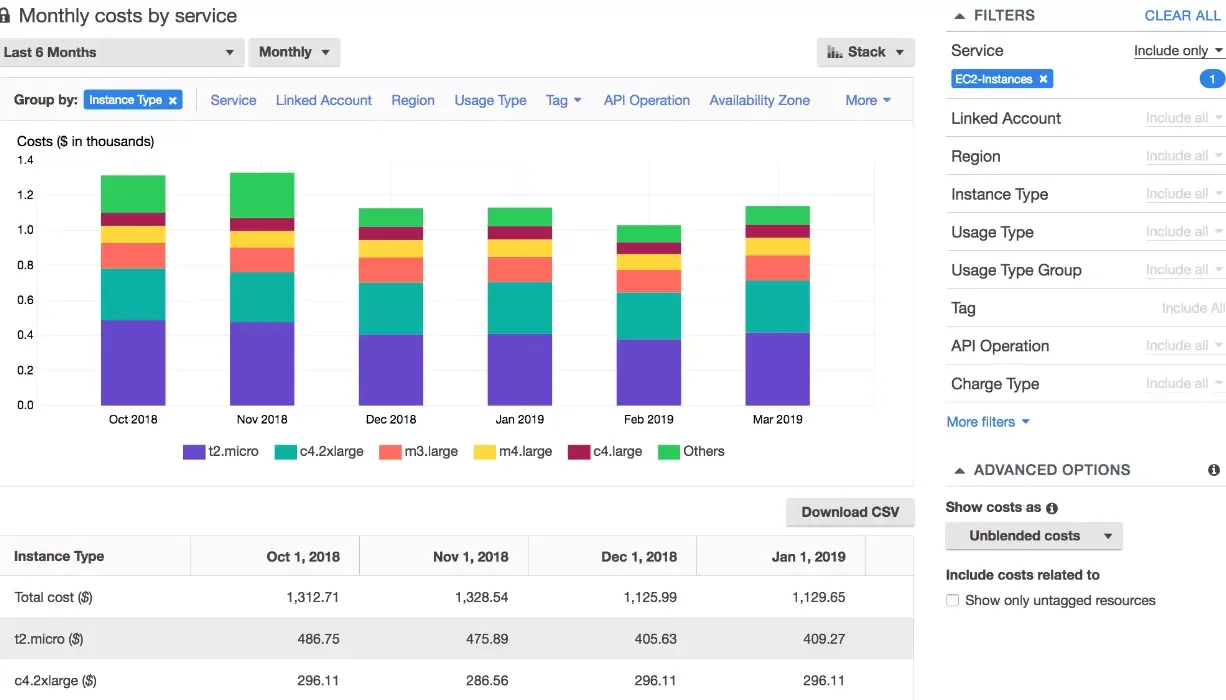
Amazon Web Services acknowledged a widespread issue in its Billing and Cost Management Console and Cost Explorer that showed highly inaccurate estimated billing data, with some customers seeing projected monthly bills in the hundreds of thousands or even millions of dollars. In separate reporting, some invoices were described as reaching as high as $1.5tn, a reminder of how quickly an automated cloud billing fault can become a business crisis.
The problem landed in a system where usage, storage, compute and data transfer are metered continuously and billed automatically. That means a misread of consumption, a duplicated charge or a wrongly applied usage record does not need to affect every service to create immediate chaos. Finance teams can face payment holds, emergency calls with account managers and internal audits to determine whether the spike is a software error or something deeper.

Chris Fidao, founder of Chipper CI, captured the reaction in a tweet cited in coverage of an earlier AWS billing snafu, writing that the error was “probably causing minor heart attacks across the really big AWS users tonight.” That earlier incident left some customers saying their charges had erroneously doubled or tripled, a smaller scale version of the same problem: once the billing layer fails, customers lose confidence in the numbers that govern their cloud spending.
The stakes are larger because AWS sits at the center of much of the internet economy. Its services support small apps, enterprise systems, e-commerce, media platforms and public-facing websites. Reuters also previously described a separate AWS outage affecting several websites, and later said service returned to normal. Other coverage of a major cloud disruption traced the damage to AWS’s US-East-1 region in northern Virginia, a critical hub for internet infrastructure that helps explain how one provider’s technical problems can ripple far beyond its own customer base.
For companies that rely on AWS as core infrastructure, the question is no longer just whether the cloud is available. It is whether the billing and provisioning systems behind that cloud are reliable enough to support monthly budgets, cash-flow planning and contractual obligations. A false invoice can trigger all three at once, and even after the numbers are corrected, the episode leaves a sharper concern behind: how much visibility customers really have into the automated machinery that now underpins their businesses.
This article was produced by Prism’s automated news system from verified source data, official records, and press releases, then run through automated quality and moderation checks before publishing. The system is built and supervised by the people who set the standards it runs under. Read our full AI policy.
Did this article answer your question?