Backlash in Mexico as school year may end early for World Cup
Mexico’s schools could close nearly six weeks early for the World Cup, forcing parents to juggle childcare and stirring a fight over who should bear the cost.
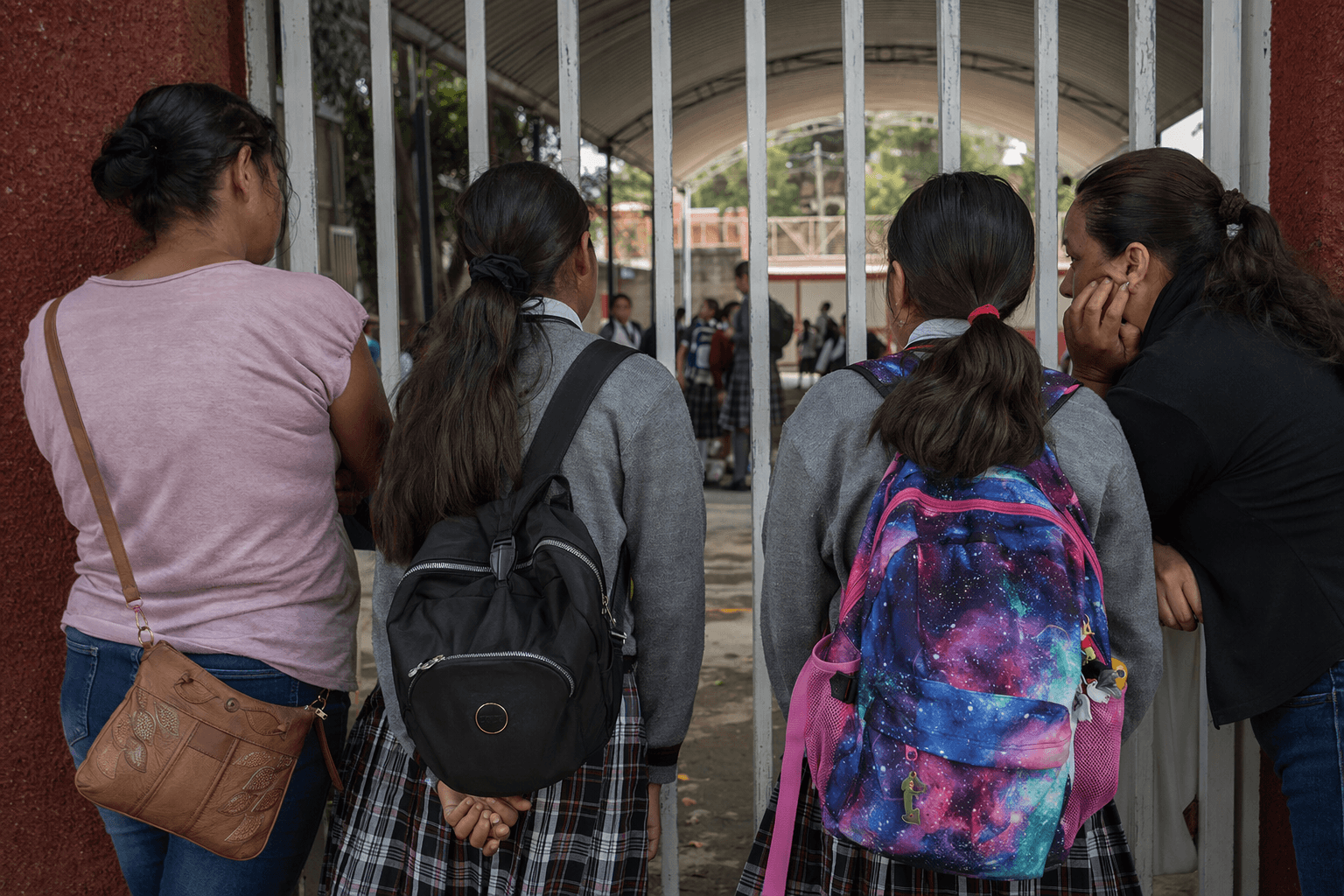
Mexico’s plan to cut the school year short has collided with a familiar burden for working families: who watches the children when class ends and the workday does not. The federal education ministry’s proposal would move the end of the 2025-2026 school year to 5 June from 15 July, leaving parents across the country scrambling while the next school year still begins on 31 August.
The Ministry of Public Education, known as SEP, said the adjustment was tied to both the 2026 World Cup and extreme heat in several states. The government said the idea emerged from the National Council of Educational Authorities, or Conaedu, and from requests raised by 10 states and the National Union of Education Workers, SNTE. Critics immediately seized on the scale of the change: schools for public and private elementary and high school students would close about 40 days earlier than planned, even though Mexico has never seen this kind of calendar shift for heat alone.

Teachers said the shortened schedule would make it very difficult to cover the curriculum for more than 29 million students. Parents focused on the practical cost. They said the change would disrupt work schedules, vacations and childcare, and could even threaten household income because schools are not childcare centers. Adriana Montoya, a Mexico City mother of two, said two months of childcare would be a major problem for anyone with a job. Sylvia Munguía, another mother of two in Sinaloa, said the move would be academically harmful.
The controversy has also exposed a political split inside the government. On 9 May, President Claudia Sheinbaum said the shortened school year was still only a proposal, while Education Minister Mario Delgado defended the plan. That ambiguity has added to public anger, with teachers saying they were not consulted and parents arguing that families are being asked to absorb the costs of a global sporting event.
Some state authorities have already signaled resistance. In Jalisco, officials said they would not follow the federal proposal and would keep schools open until 30 June, suspending classes only for the four days when Guadalajara hosts World Cup matches. The standoff matters because Mexico is one of three host countries for the 2026 tournament, which opens on 11 June, and Mexico City will stage the opening match against South Africa. As temperatures rise and the tournament approaches, the fight over the calendar has become a test of whether World Cup preparations are being placed ahead of classrooms, childcare and public trust.
This article was produced by Prism’s automated news system from verified source data, official records, and press releases, then run through automated quality and moderation checks before publishing. The system is built and supervised by the people who set the standards it runs under. Read our full AI policy.
Did this article answer your question?

