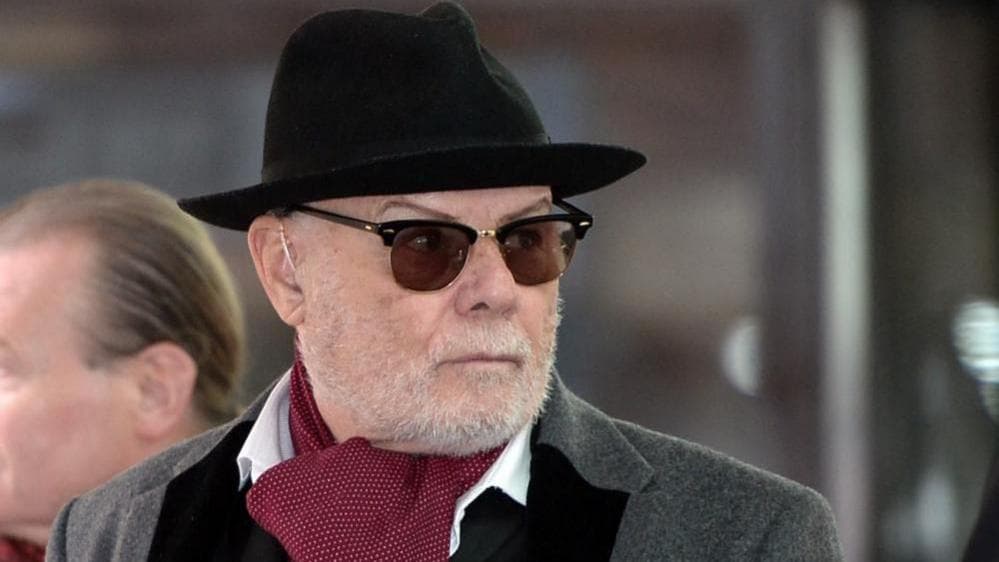
Bad Bunny Grammy handoff did not feature detained Minnesota boy
Viral claims linking the Super Bowl moment to a detained Minnesota child are false; the boy was a child actor and an image circulating online was AI‑made.
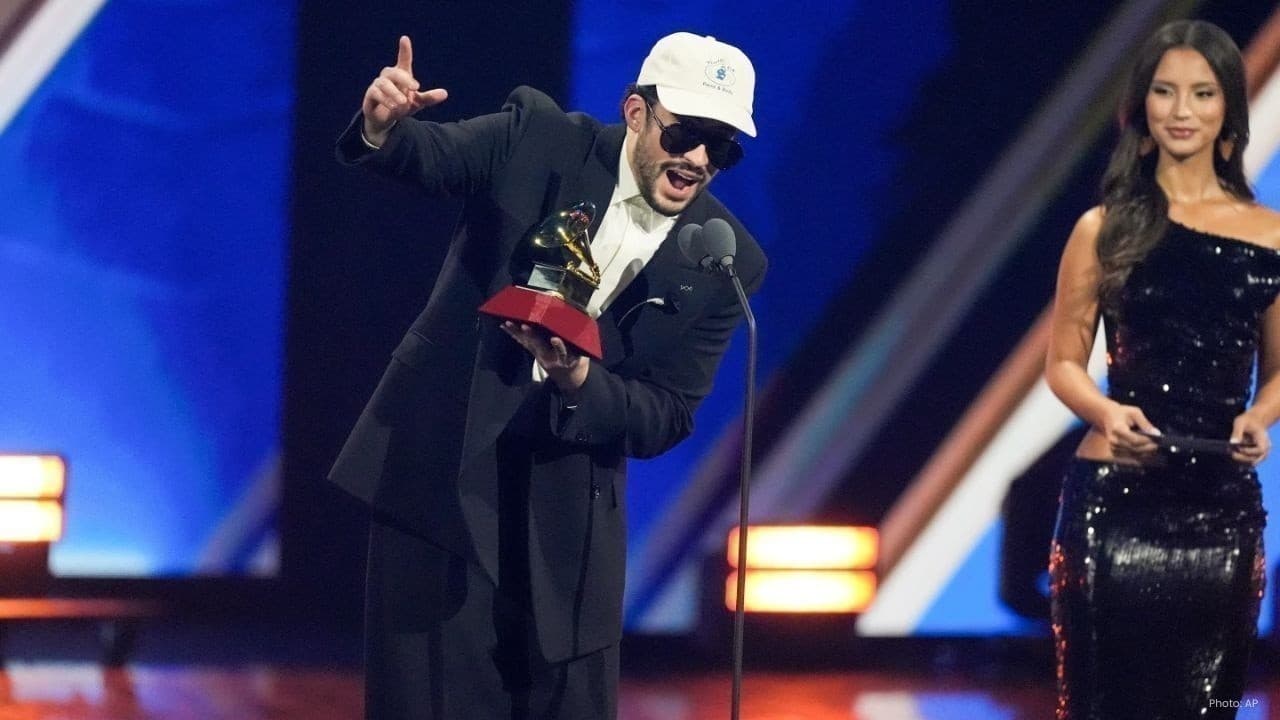
A widely shared claim that Bad Bunny handed his Grammy to the 5‑year‑old Minnesota boy recently detained by federal immigration agents is false. Independent checks and on‑the‑ground confirmations show the child on stage was a young actor, and at least one viral image tying the moment to the detained family was created with artificial intelligence.
During the Super Bowl halftime set, Bad Bunny knelt beside a small Latino child, rubbed his head and said, "Cree siempre en ti", always believe in yourself, in a staged, symbolic reenactment of a Grammy acceptance. The performance was arranged to echo a moment of recognition for a child watching an acceptance speech on television, not an impromptu political intervention.
The misidentification spread rapidly across social platforms. One X post that drew more than 10.3 million views declared, "Many of you may have missed this, but the little boy who Bad Bunny handed his Grammy to at the Super Bowl was Liam Ramos! Amazing!" Other posts amplified the hope that the gesture was directed at the boy whose detention had galvanized advocates and local residents. Examples included: "Wait hold up…Did Bad Bunny just give his Grammy to Liam Conejo Ramos the poor kid who was kidnapped by ICE? If so amazing." and "Did Bad Bunny just hand Liam Conejo a grammy?!"
Those reactions reflected genuine public yearning for a moment of solidarity, but they overlooked the facts. The boy taken into custody in Minneapolis on Jan. 20 is Liam Conejo Ramos, a 5‑year‑old Ecuadorian child who was detained with his father, Adrian Conejo Arias, while walking home from preschool. Photos of Liam in a blue bunny hat and a Spider‑Man backpack circulated widely after the detention, which resulted in the family being transported to a family facility in Dilley, Texas; a federal judge ordered their release on Jan. 31 and they returned to Minnesota. Reports note the family entered the United States as asylum applicants.
The child on stage was identified by multiple confirmations as Lincoln Fox, a 5‑year‑old child actor and model listed with LA Model Management. The performer posted on Instagram, "I’ll remember this day forever! @badbunnypr - it was my truest honor." A representative for Bad Bunny also confirmed the boy in the performance was not Liam Conejo Ramos, and a family representative in Minnesota likewise confirmed the two children are different.

Digital sleuthing further exposed manipulative elements in the aftermath. An image circulating online that purported to show Bad Bunny handing a Grammy to the detained boy was flagged by an AI detection tool: when uploaded to Google’s Gemini, the software identified a SynthID watermark consistent with creation by Google AI tools. The image trace led back to a social account whose bio reads "Ai funny Content & Master Meme Maker," and visual inconsistencies, including tattoos that do not match Bad Bunny’s real body art, reinforced the conclusion that the picture was fabricated.
The episode underlines how emotionally charged narratives travel faster than verification in the age of high‑production spectacle and AI image tools. Bad Bunny’s outspoken political profile and past remarks about immigration enforcement amplified audience readiness to read a political gesture into his performance. For media platforms and entertainers alike, the incident spotlights two industry trends: the growing ability of AI to manufacture convincing but false visuals, and the speed at which performative moments can be reframed into political narratives. For immigrant communities, blurred lines between performance and advocacy can produce both fleeting hope and renewed vulnerability when misperceptions are corrected.
The correction matters beyond celebrity headlines. It demonstrates the value of rapid verification, the risks of weaponized imagery in public discourse, and the continuing need to protect the dignity and privacy of children caught at the intersection of policy, spectacle and social media.
This article was produced by Prism’s automated news system from verified source data, official records, and press releases, then run through automated quality and moderation checks before publishing. The system is built and supervised by the people who set the standards it runs under. Read our full AI policy.
Did this article answer your question?