Baker City Water Billing Problems Near Resolution After Individual Account Reviews
Baker City is correcting water-billing errors after an average-billing switch led to both overcharges and undercharges; individual account reviews aim to clear confusion and restore accurate monthly bills.
Baker City officials say long-standing confusion over water bills is nearing resolution after a year and a half of detailed, individual account reviews. The problems stemmed from a 2023 switch to new Caselle billing software and an attempt to bill customers by average rather than actual monthly use. The errors have affected the city’s roughly 4,400 water customers in uneven ways.
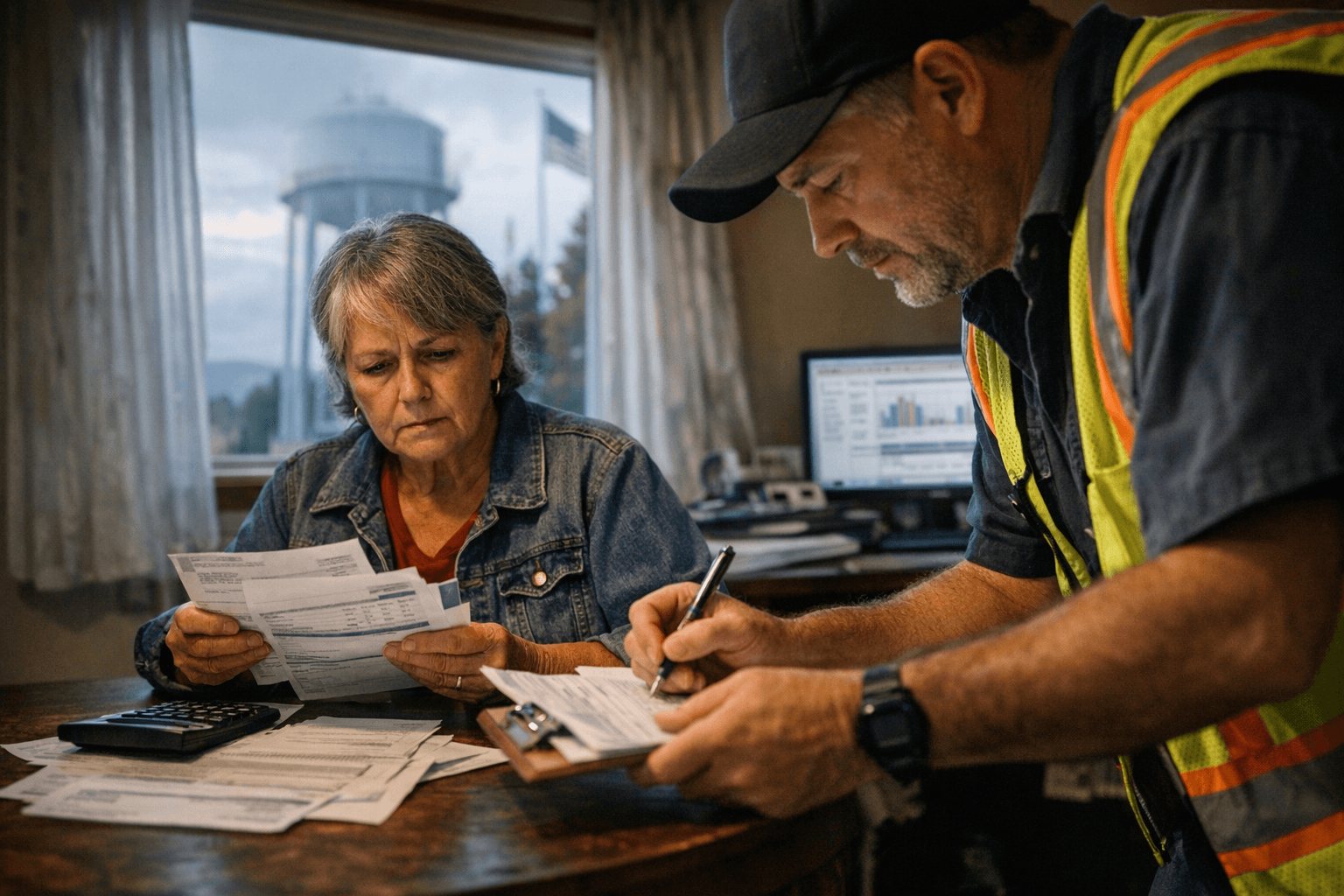
Jeanie Dexter, the city’s finance director who returned to the position in 2024, led the review along with two staff members. She said the situation has produced “confusion, suspicion and in some cases outright anger” among customers, but stressed that one-on-one meetings have been the most effective remedy. “It’s been very frustrating,” Dexter said. “But when we sit down with people, and print out everything, they have usually left feeling confident.” She added, “We can clearly show customers what they actually paid.”
City officials trace the trouble to the combination of Caselle software limitations and the adoption of average billing in May 2023. Average billing is designed to smooth out seasonal peaks by charging the same amount each month, but Caselle was not configured for that approach. The software change also led to removal of actual usage figures from customer statements, which in some cases hid leaks and delayed customer awareness of higher-than-normal consumption.
Since the issues came to light, the city has issued refunds to hundreds of customers who were overcharged and has billed hundreds who were undercharged. The city has also granted “leak credits” to more than 100 households that missed leak notifications because usage details were omitted from bills. Customers enrolled in automatic bank payments experienced additional confusion when statements sometimes showed past-due amounts despite accounts not being delinquent.
Officials said work this winter focuses on eliminating a 30-day billing gap that dates to May 2025, when no bills were sent. The goal is to return by spring to the prior system: city personnel will read meters each month during spring, summer and early fall and include actual usage on bills. During winter months, when snow can cover meters, customers will continue to be charged the base rate that includes three 750-gallon units of water, with any excess use added to the first spring bill.
The water utility operates a separate fund that collects about $3.5 million annually to maintain and upgrade the system. Major ongoing work includes replacing a leak-prone pipeline that brings water from the Elkhorn Mountains about 10 miles west of town. Wastewater operates under a separate fund bringing in about $2 million each year. Both utilities rely on user fees rather than property taxes; the city’s $7.4 million general fund draws heavily on property taxes to support police and fire services.
For Baker City residents, the immediate impact is practical: a clearer bill format and routine meter reads should make unexpected charges and unnoticed leaks less likely. Officials urge patience as staff complete individual reviews and update the billing system ahead of the spring meter-reading season, when many customers will see the most direct benefits.
Sources:
Know something we missed? Have a correction or additional information?
Submit a Tip

