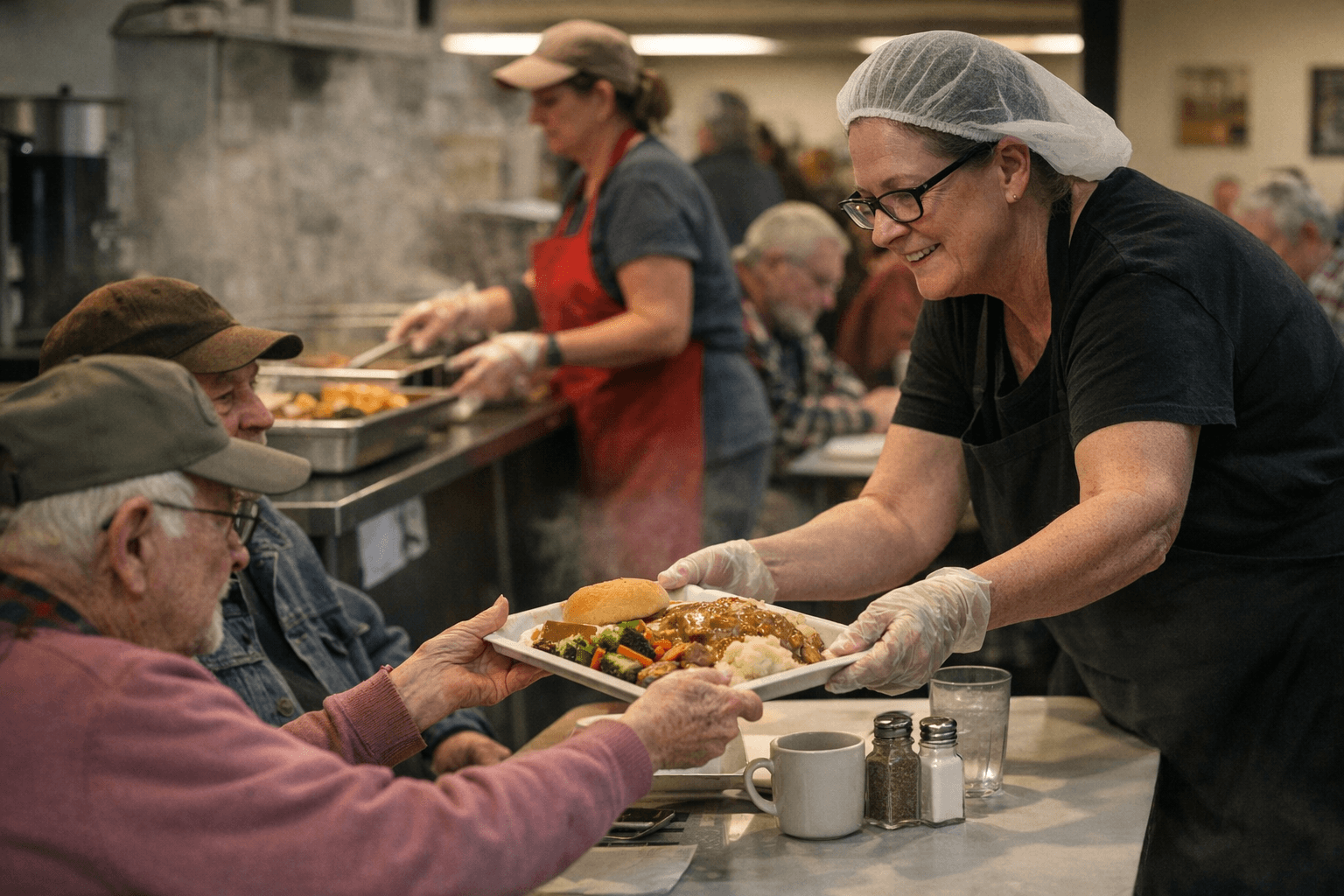
Baker County fairgrounds serve as vital hub for community health and services
Baker County Fairgrounds at 2600 E Street functions as the county's community hub and venue partner for programming, with implications for health access and local services.

The Baker County Fairgrounds at 2600 E Street in Baker City is more than a place for the county fair. Managed by the Baker County Fairboard, the county-operated grounds host agricultural exhibits, community events and act as a venue partner for county programming, making the site a practical focal point for public health, emergency response and social services in rural Baker County.
The fairgrounds are organized with an eye toward community use: fairboard membership, contact information, sponsors and partners, basic directions and a mission statement are all maintained to support event planning and public access. That organizational backbone means the site can be mobilized for a wide range of county needs, from health outreach to civic meetings, and serves as a visible, familiar location residents already know how to reach.
From a public health perspective, community hubs such as the fairgrounds matter because they reduce barriers to care—especially in places where clinic access, public transit and internet connectivity can be limited. A central, county-operated venue lowers the friction for pop-up vaccination clinics, health screenings, mobile dental or vision services, and outreach programs aimed at older adults and people living in outlying communities. As a county partner, the fairgrounds can also be part of disaster planning for shelters or distribution sites during weather events, which is a critical consideration for rural emergency preparedness.
The community impact goes beyond immediate services. Regular use of the fairgrounds for county programming can strengthen trust between residents and local government, and help ensure that outreach reaches marginalized populations who may otherwise be left out of county initiatives. That trust is especially important when public health campaigns require broad participation to protect the most vulnerable residents.
Policy choices will determine how well the fairgrounds meet these roles. Funding for site improvements, accessible parking and pathways, signage for people with limited literacy, and transportation links from smaller towns and ranching areas will shape who can use the space. Equitable scheduling and clear communication from the Fairboard and county offices can ensure events are held at times that work for working families, seasonal laborers and older residents.
Our two cents? Treat the fairgrounds like community infrastructure: check the fairboard for upcoming events, ask county public health how the site could host outreach, and push for transportation and accessibility improvements so everyone in Baker County can use this familiar hometown resource.
Sources:
Know something we missed? Have a correction or additional information?
Submit a Tip