Baltimore bridge collapse ship operator faces federal charges after deadly crash
Federal prosecutors say the Dali’s deadly power loss was preventable. The indictment raises the stakes for how U.S. ports oversee giant cargo ships.
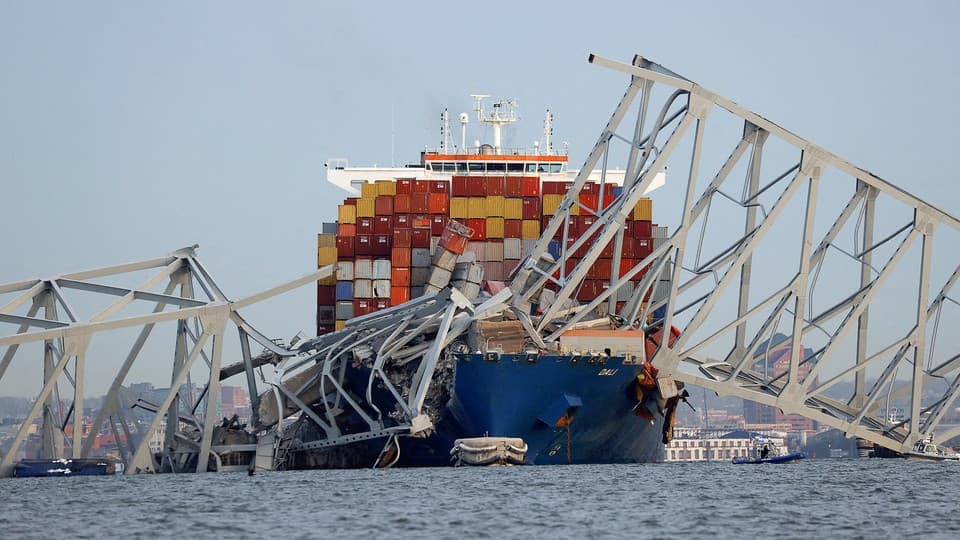
Federal prosecutors unsealed an indictment Tuesday charging two Synergy-linked corporate entities and a shoreside superintendent with conspiring to defraud the United States, obstructing an agency proceeding and causing the deaths of six construction workers after the Dali struck Baltimore’s Francis Scott Key Bridge. The case turns a disaster that began at about 1:29 a.m. on March 26, 2024, when the 984-foot Singapore-flagged vessel lost electrical power, propulsion and steering, into a criminal accountability fight over what the companies knew and how they handled it.
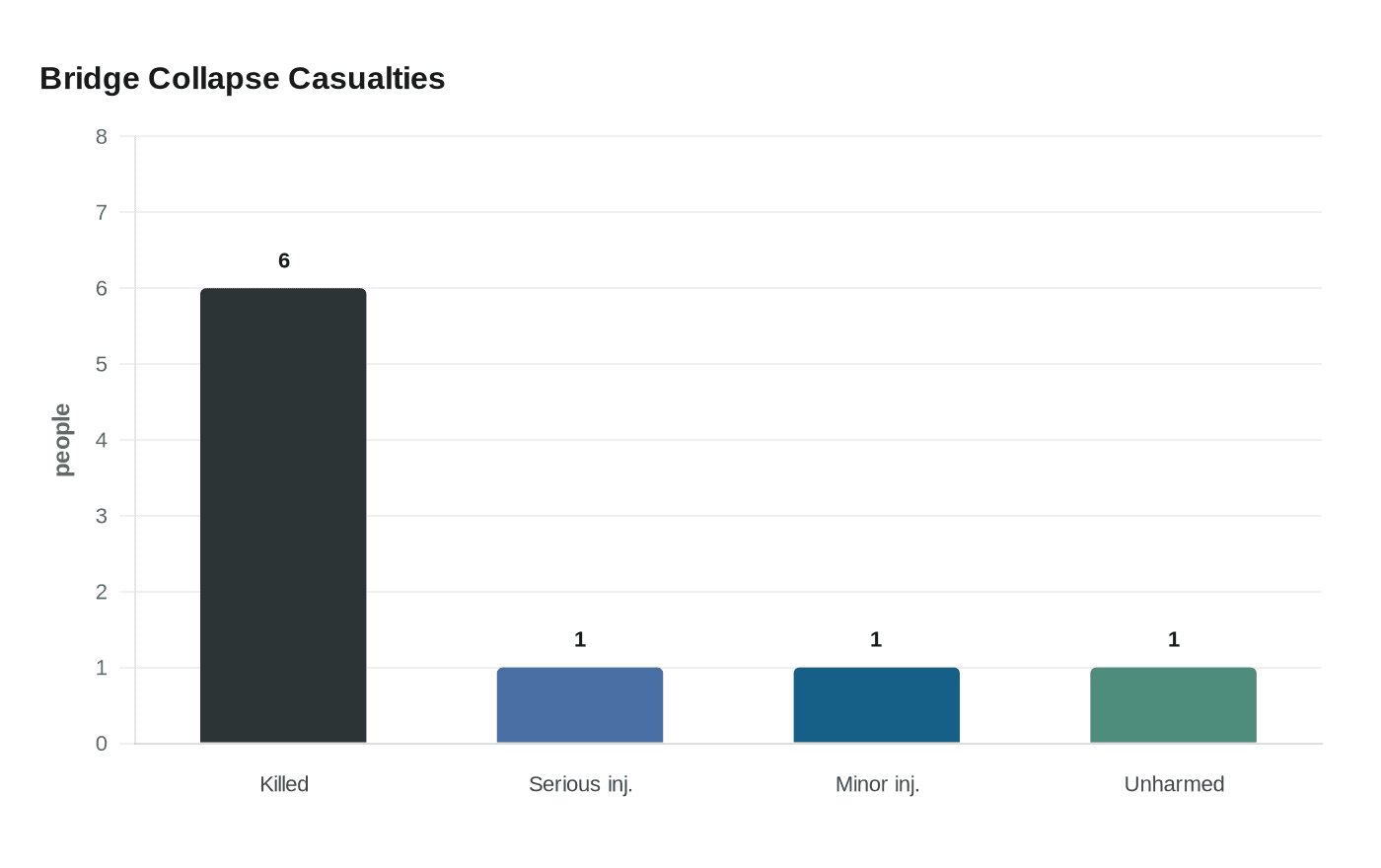
The collapse killed six highway workers on the bridge, seriously injured one more and left an inspector unharmed. One of the 23 people aboard the Dali suffered a minor injury. The bridge had carried more than 34,000 vehicles a day, including about 10% trucks, and it was a primary route for hazardous materials vehicles, which now must take longer detours because Baltimore tunnels are off-limits to them.
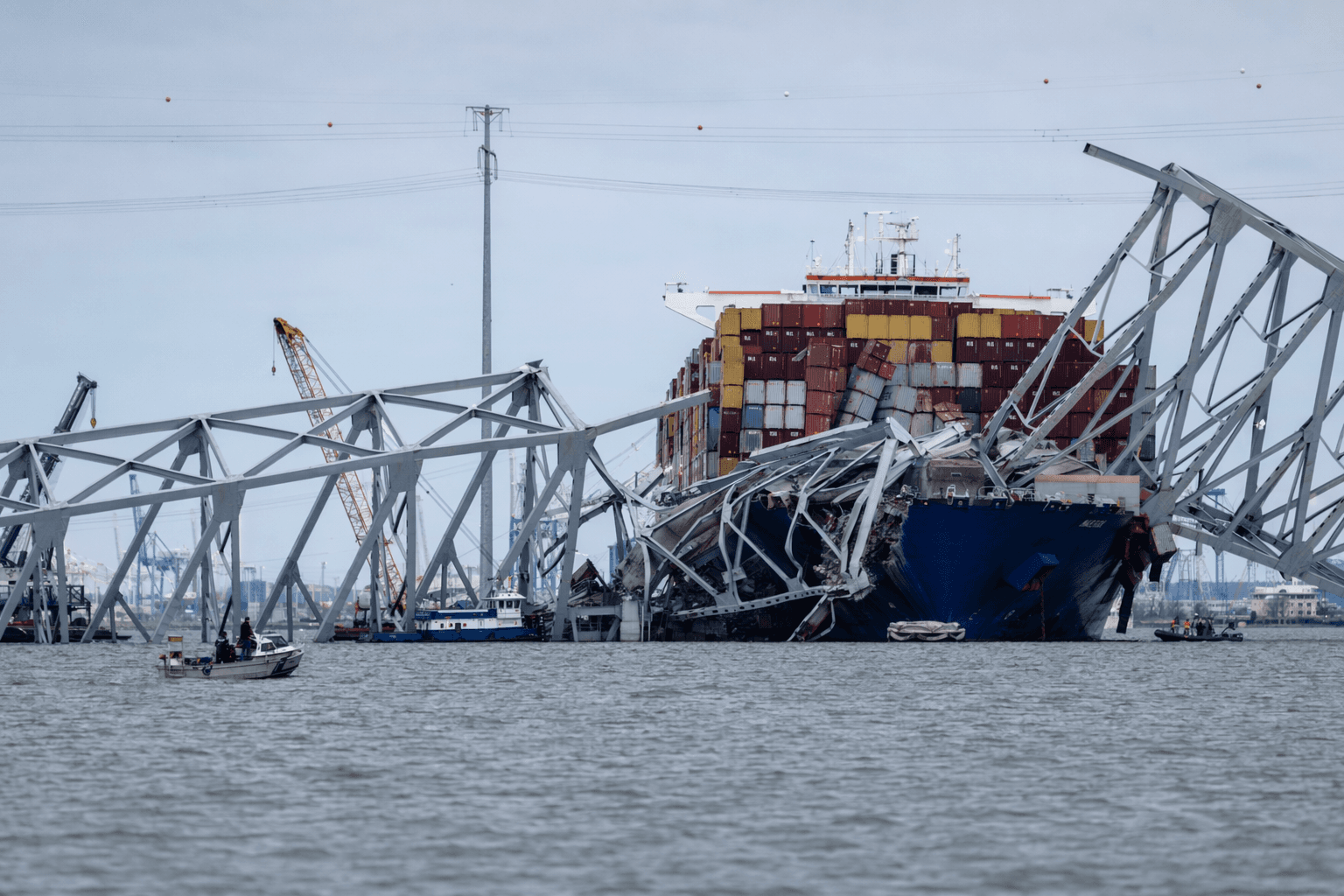
The scale of the damage stretched far beyond one span of concrete and steel. NTSB estimated replacement costs for the bridge at $4.3 billion to $5.2 billion and said reopening to traffic is anticipated in late 2030. Federal response crews removed about 50,000 tons of steel, concrete and asphalt from the channel and the ship, while the Justice Department previously settled a civil claim with Grace Ocean Private Limited and Synergy Marine Private Limited for $101,980,000.
Investigators said the accident began with two electrical blackouts, and the NTSB later identified a single loose signal wire as the cause of the blackout that led to the allision and collapse. That finding points to more than a one-off mechanical failure; it raises questions about maintenance, inspection discipline and emergency reporting across the shipping industry, especially at ports where massive vessels move close to bridges and other critical infrastructure. The new indictment deepens that scrutiny by alleging the defendants failed to immediately inform the Coast Guard of a known hazardous condition and made false statements.
Maryland unveiled a new Francis Scott Key Bridge design concept on February 4, 2025, and the rebuild has become a long-term test of whether the region can restore a vital commuter and freight link without repeating the vulnerabilities that made the collapse possible. As the criminal case moves forward, Baltimore is no longer only counting losses; it is also forcing a national reckoning over how U.S. ports, bridges and cargo operators guard the public against the next preventable failure.
This article was produced by Prism’s automated news system from verified source data, official records, and press releases, then run through automated quality and moderation checks before publishing. The system is built and supervised by the people who set the standards it runs under. Read our full AI policy.
Did this article answer your question?