Baltimore Council reviews AI surveillance in schools and rideshare tax
Council committees held hearings on AI surveillance in schools and a rideshare excise tax increase, affecting parents, drivers and city revenue.
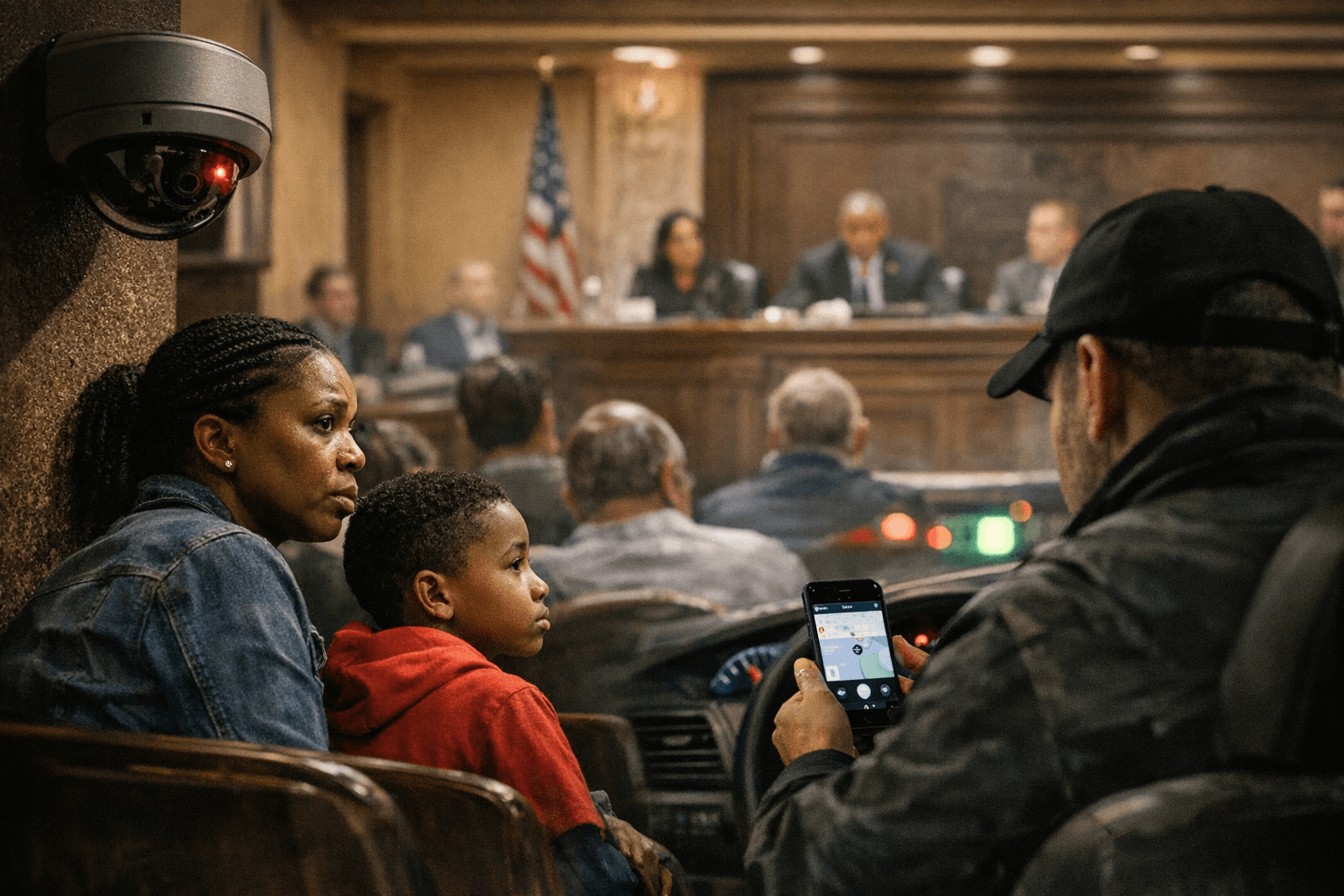
Baltimore City Council committees on Jan. 13 examined two measures that could reshape school monitoring and the cost of passenger-for-hire trips in the city. The council’s Legistar calendar and legislation pages listed a Public Safety Committee hearing on LO25-0042, titled "AI Surveillance in Schools," and a Budget & Appropriations Committee hearing on ordinance 25-0138, proposing an excise tax increase on passenger-for-hire services.
The AI surveillance item put the spotlight on how artificial intelligence is used to monitor students and school grounds. The measure signals council attention to the deployment, oversight and potential limits around camera systems and algorithmic tools in Baltimore schools. For parents, teachers and students, the debate raises questions about privacy, consent, data retention and how automated systems may affect discipline and learning environments.
The rideshare-related ordinance targets taxis and transportation network providers with a proposed excise tax increase. Council discussion framed the proposal as a budget tool that could generate revenue for city services, but also as a policy with direct consequences for drivers and riders. For people who rely on cabs or rideshare apps for work, health appointments or late-night trips, even a modest increase could shift ride prices or the net earnings of drivers.
Both committee entries on Legistar included agendas, links to the full text of the legislation and virtual participation links so residents could observe or provide comment. That public-access element allowed community members across Baltimore to follow proceedings without attending in person, preserving opportunities for testimony and civic input.
Procedurally, committee hearings are the first public step in a bill’s journey. If either measure advances, it can be amended in committee, be scheduled for further hearings, and eventually move to a full council vote. The pace and outcome will depend on testimony, technical amendments and how councilors weigh privacy and equity concerns against budgetary needs.
These two items reflect local iterations of broader debates unfolding globally: cities and school districts wrestling with AI’s promise and pitfalls, and municipal governments balancing new revenue streams against affordability for residents. For Baltimore, the decisions will influence daily life in classrooms and on the city’s streets.
What comes next for residents is straightforward: review the posted legislation, watch recorded hearings if available, and use the council’s public comment mechanisms before measures move to a final vote. The choices councilors make in the coming weeks will matter for family privacy, worker pay and the shape of Baltimore’s city budget.
Sources:
Know something we missed? Have a correction or additional information?
Submit a Tip