Baltimore Faces Unseasonably Cold Midweek With Wind Chill and Closures
Baltimore experienced a sharp midweek drop into unseasonably cold air, bringing dangerous wind chills, school closures and travel advisories that affected daily life.

Unseasonably cold air moved into the Baltimore region on Jan. 19, producing bitter wind chills and prompting a short weather advisory that disrupted schools, commutes and daily routines. Meteorologist Alena Lee reported the change after a sunny start to the week, and the advisory flagged low temperatures, wind chill impacts and links to school closings, hourly forecasts and traffic advisories to help residents plan.
The cold snap had immediate practical effects across the city. Districts adjusted school schedules and some closures were posted as officials weighed safety for students and staff. Commuters faced slippery conditions and slower traffic as the advisory included travel cautions; drivers and transit riders were advised to allow extra time and exercise caution. For people who work outdoors, delivery drivers and service workers, the sudden drop in temperature meant a quick shift from lighter winter gear to layers and insulated outerwear.
Public health consequences were front and center for vulnerable populations. Low wind chills increase the risk of hypothermia and frostbite, particularly for older adults, infants, people with chronic illness and residents without reliable heating. The advisory reinforced basic precautions - dress warmly, limit time outside when possible, and be mindful of signs of cold stress - while highlighting deeper equity issues that make extreme cold more dangerous for some Baltimoreans. Longstanding housing quality problems and uneven access to reliable heating or emergency funds leave low-income families and people experiencing homelessness at higher risk during short, intense cold snaps.
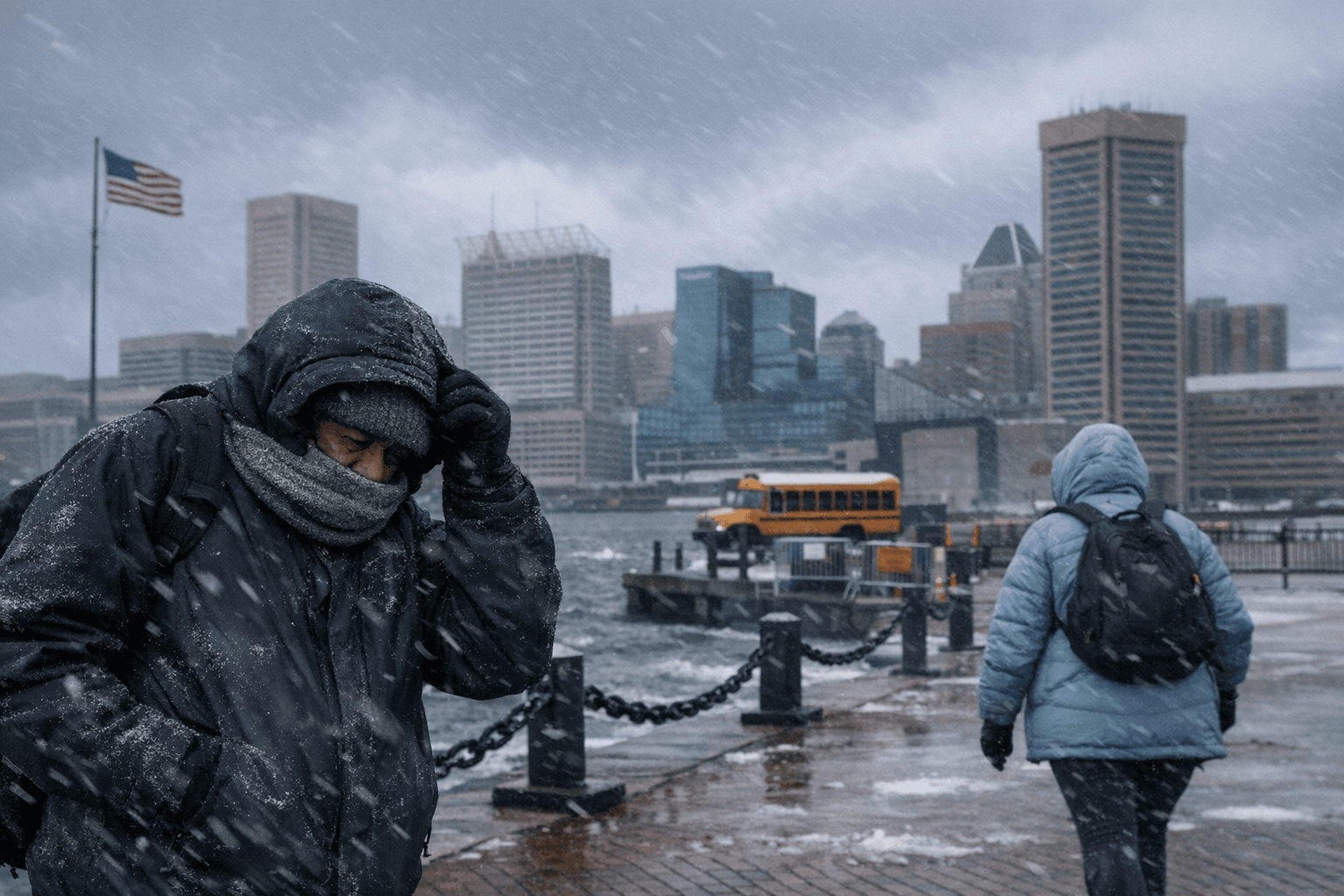
Community supports and city services are critical during events like this. Warming centers, shelter capacity and outreach can reduce harm, but demand often outstrips resources when weather turns sharply. Neighborhood networks and local nonprofits also play a role in checking on seniors and helping residents bridge gaps in heating or transportation. Health-care providers and social services urge clinicians and caseworkers to watch for cold-related illnesses and connect patients to assistance when needed.
As the region recovers from the midweek freeze, Baltimoreans should continue to monitor local forecasts and official alerts for updated school and transit information. Practical steps - layering clothing, checking on neighbors, and planning travel conservatively - will reduce immediate risk. The episode underscores the need for ongoing investments in housing, warming resources and emergency planning so that short-lived weather events do not produce outsized harm in communities already stretched thin.
Sources:
Know something we missed? Have a correction or additional information?
Submit a Tip