Bandcamp bans AI-generated music to protect independent musicians
Bandcamp banned music generated wholly or substantially by AI and AI-driven impersonations. The policy aims to protect trust between fans and independent musicians.

Bandcamp moved on 13 January 2026 to bar tracks created wholly or in a substantial part by generative AI, publishing guidance under the banner "Keeping Bandcamp Human." The policy also prohibits AI-driven impersonations that try to mimic an existing artist’s sound. Bandcamp framed the change as a move to protect trust between fans and independent musicians and to celebrate human artistry across the platform.
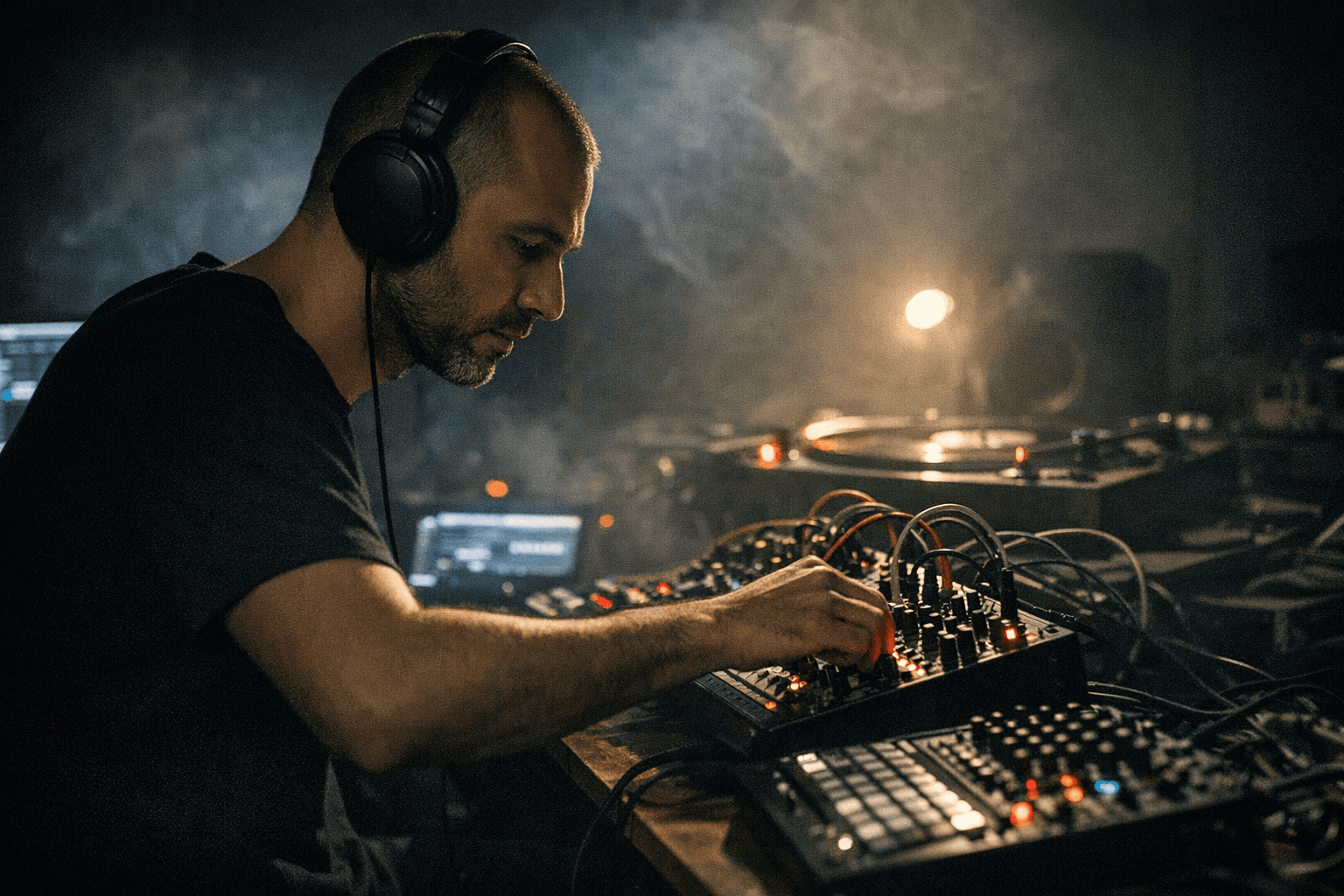
For minimal techno producers, DJs, labels, and record shops this is a practical inflection point. The scene prizes tactile workflows, from hardware sequencing to raw drum machine hits and carefully sculpted spatial textures. When a platform hosting releases and exclusives enforces a human-only rule, it changes how producers document sessions, how labels vet promos, and how selectors choose tracks for vinyl runs and DJ sets.
Enforcement folds community input into the process. Listeners and users can report suspected AI-generated tracks through the platform’s existing reporting tools, and Bandcamp reserves the right to remove content that appears to violate the rule. The company did not provide a strict numerical definition of what counts as a “substantial part” created by AI, leaving ambiguity about borderline uses like AI-assisted mastering, transient generation of textures, or AI tools used for iterative arrangement. That uncertainty will matter for producers who use AI tools as part of their workflow rather than as the primary composer.
Practical steps to reduce friction and avoid takedowns are straightforward. Keep session files, stems, and version history for releases and promos. Label tracks clearly in metadata and on promo notes about production methods where appropriate. If you rely on AI tools for small tasks, preserve evidence of human authorship such as notes, stems, or session screenshots. DJs and selectors should vet promos and digital-only purchases before slotting them into a set or committing to a pressing. Labels should update A&R checks to include provenance review and set expectations with artists about what will pass platform scrutiny.
Community enforcement shifts some moderation responsibility onto fans and peers, which can work in a tight-knit scene but also risks overreach or false positives given the policy’s imprecise line. Expect conversations to land fast in label groups, promo pools, and on social channels as artists and collectives test boundaries and share best practices.
This move signals a recommitment to performative and tactile values in minimal techno culture. For now, the next steps are practical: document your process, safeguard stems, and keep communication clear when releasing music. That keeps the groove human, and the community’s trust intact as the platform builds out enforcement norms.
Know something we missed? Have a correction or additional information?
Submit a Tip