Bangladesh measles outbreak kills four more children, cases keep rising
Four more children died as Bangladesh logged 1,127 new measles cases in a day, underscoring a nationwide outbreak that has stretched hospitals and exposed vaccination gaps.
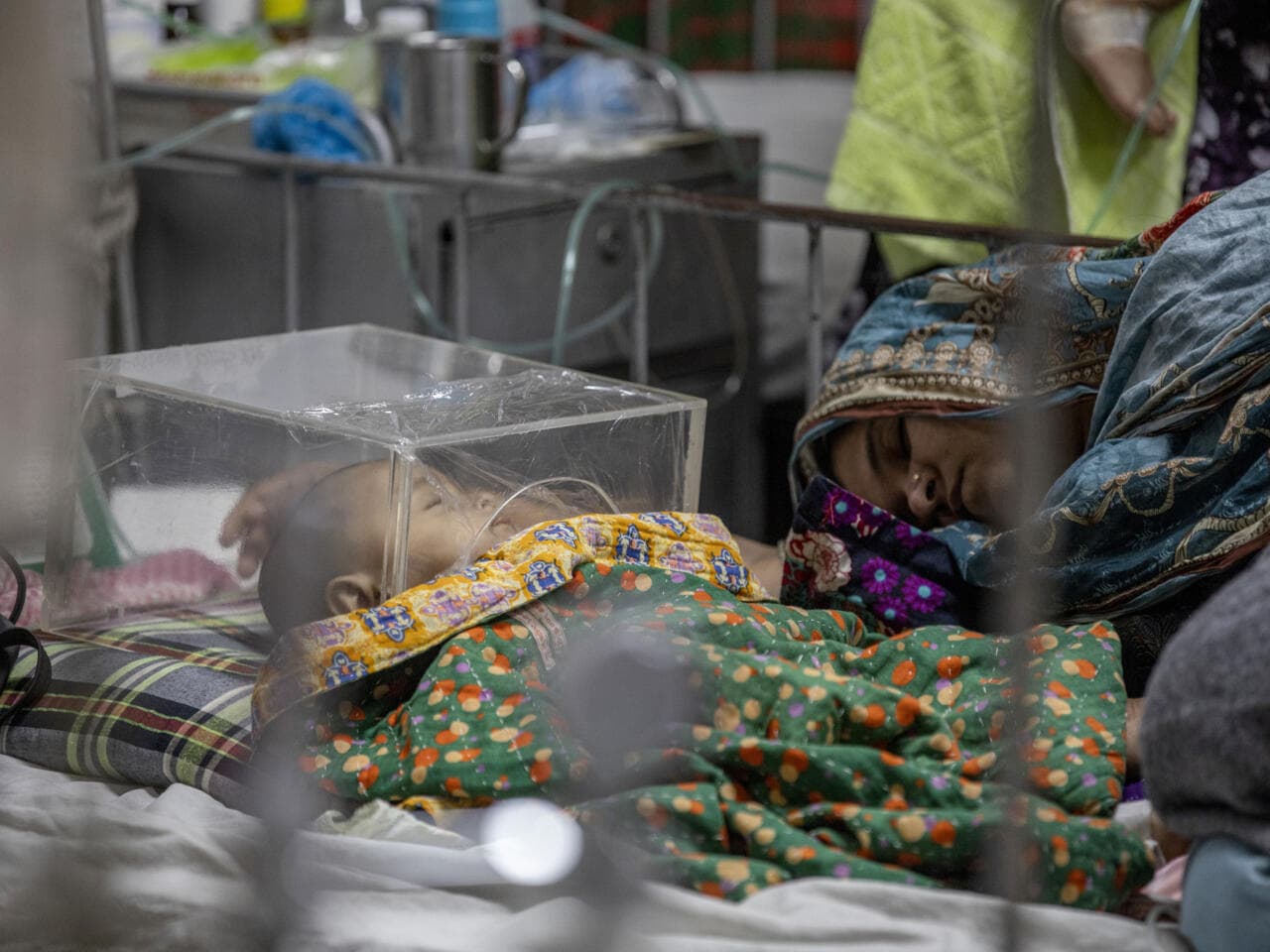
Four more children died from measles symptoms in Bangladesh over the past 24 hours, while health officials recorded 1,127 new confirmed and suspected cases, a grim sign that the outbreak was still moving faster than the country’s response. The latest deaths lifted the cumulative toll from measles and related symptoms to 652 since March 15, and the new fatalities were recorded in Dhaka, Sylhet, Mymensingh and Khulna divisions, showing how widely the virus had spread.
The scale of the crisis has made measles a test of Bangladesh’s public-health system, not just a pediatric emergency. The Directorate General of Health Services said 75 new infections were confirmed in the past day, while another 1,052 people were identified as symptomatic. Since March 15, 85,951 people have reported measles symptoms and 10,323 cases have been confirmed through testing. Hospitals nationwide have admitted 70,579 patients with measles or related symptoms, and 66,841 have been discharged after recovery, numbers that point to a severe strain on wards, staff and referral systems.
The World Health Organization said Bangladesh notified it on April 4 of a nationwide rise in measles across all eight divisions and 58 of 64 districts. Between March 15 and April 14, the country recorded 19,161 suspected cases and 2,897 laboratory-confirmed cases, including 166 measles-related deaths. WHO assessed the national risk as high because transmission was ongoing, many children remained susceptible, immunity gaps persisted and deaths linked to measles were already being reported.
Children under 5 made up 79% of reported cases, and in Dhaka the disease was concentrated in dense informal settlements including Demra, Jatrabari, Kamrangirchar, Korail, Mirpur and Tejgaon industrial and slum clusters. WHO said the outbreak was being worsened by high population mobility during the festive season, declining routine immunization and vaccine supply constraints, a combination that allowed transmission to continue across crowded neighborhoods and hard-to-reach communities.

Bangladesh responded on April 5 with an emergency measles-rubella vaccination campaign aimed at more than 1.2 million children aged 6 months to 5 years in 30 upazilas across 18 high-risk districts. The drive later expanded to four city corporations on April 12 and nationwide on April 20, with a goal of at least 95% coverage through EPI sites, evening urban sessions, outreach in preschools and madrasas, transport hubs, door-to-door vaccination and hard-to-reach settlements. By April 19, close to 1.6 million children had already been vaccinated, yet the outbreak still accelerated, with 23,606 suspected cases and three additional deaths recorded that day.
The pattern has exposed a system under sustained stress: routine immunization gaps, crowded urban settlements, mobile populations and uneven access to vaccination have all given measles room to spread. What the numbers show now is not only a deadly outbreak, but a warning about how vulnerable Bangladesh remains when child health protections fail to keep pace with crisis.
This article was produced by Prism’s automated news system from verified source data, official records, and press releases, then run through automated quality and moderation checks before publishing. The system is built and supervised by the people who set the standards it runs under. Read our full AI policy.
Know something we missed? Have a correction or additional information?
Submit a Tip