Banksville Plaza Starbucks Workers Vote to Unionize, Joining Pittsburgh Coffee Wave
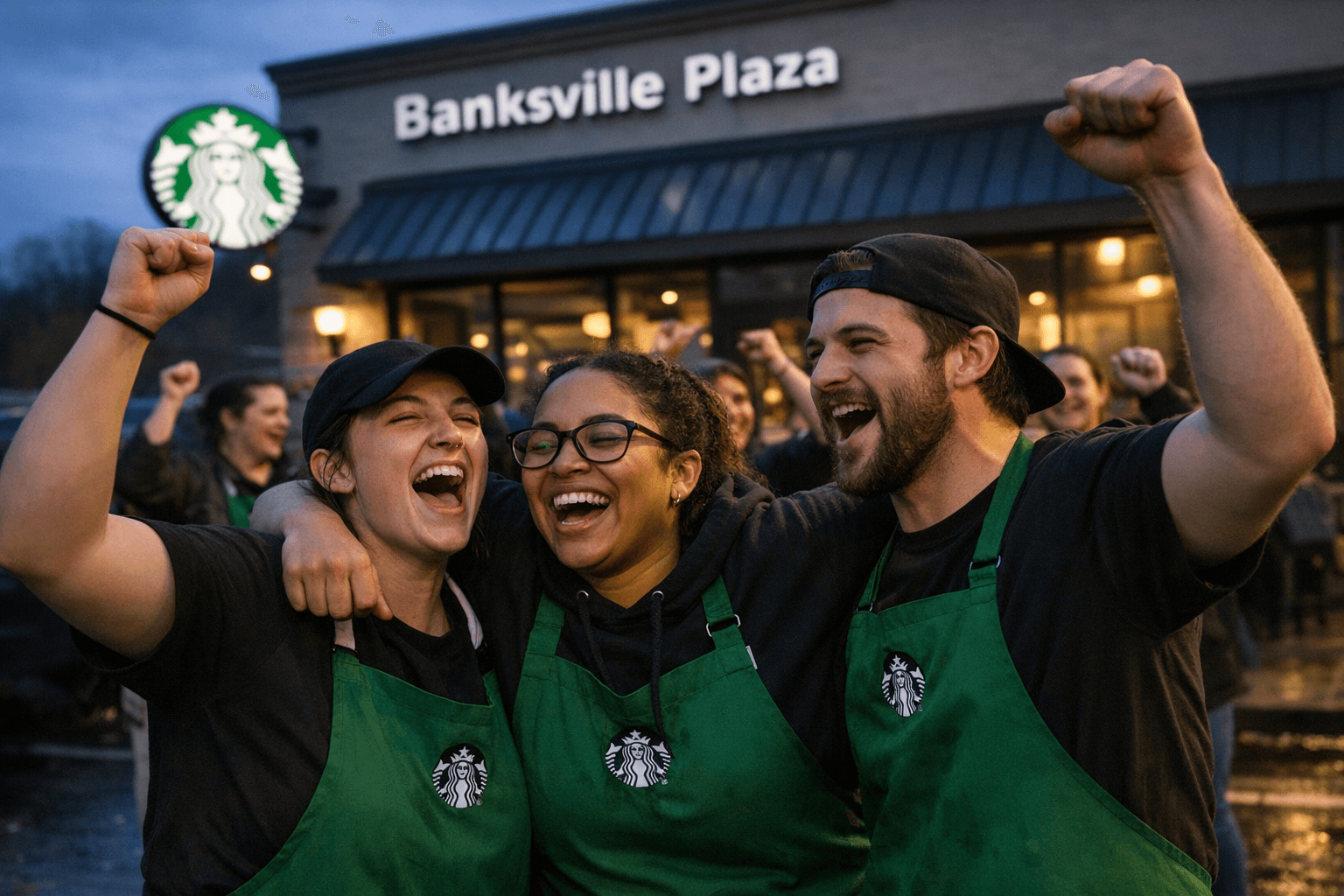
Hourly workers at the Banksville Plaza Starbucks voted in favor of union representation in an NLRB-administered election, local reporting dated March 3, 2026 says.
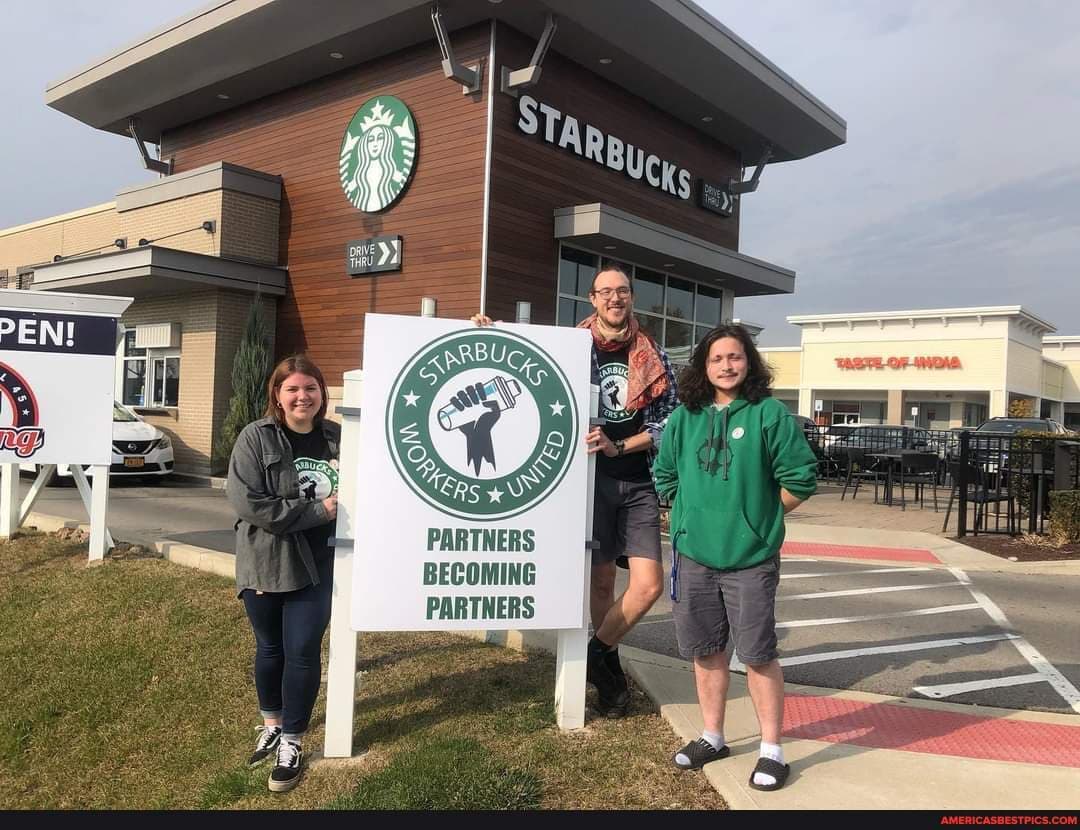
Hourly employees at the Banksville Plaza Starbucks in Pittsburgh voted in favor of union representation in an NLRB-administered election, local reporting dated March 3, 2026 said; the report did not include a numeric tally or indicate whether the NLRB has certified the result. The Banksville vote adds to a cluster of organizing and elections in the Pittsburgh area that organizers say is part of an ongoing wave of coffee-shop unionization.
Across Pennsylvania, workers at 11 Starbucks stores have petitioned the National Labor Relations Board to unionize, with six petitioned locations clustered in the Pittsburgh area, organizers report. The petitioned Pittsburgh sites named include Bloomfield, Market Square downtown, East Carson Street in the South Side, South Craig Street in Oakland, Amos Hall in Oakland, and the northbound side of McKnight Road in Ross Township; the election for Amos Hall employees is scheduled to begin April 21 with a vote count set for May 6, according to the election schedule provided to organizers.
Bloomfield remains a touchstone for Pittsburgh organizers: employees at that store voted 20-0 to unionize, and a local union account celebrated a unanimous 20-0 result with a tweet dated April 13, 2022. The NLRB tallied that Bloomfield vote one Wednesday afternoon, though certification was reported as still pending at that time.
Organizing has not been limited to Starbucks. Workers at five Coffee Tree Roasters locations across the Pittsburgh region voted 17-3 to unionize in a February election, organizers said; one Coffee Tree Roasters barista, Jordy Vargas of the Shadyside location, said employees “have grown frustrated with scheduling and wage issues, a lack of rest breaks and an inability to accept electronic tips, among other areas of concern.” Organizers also reported that Coffee Tree Roasters employee Liam Tinker was fired last year after being late to a shift a day after announcing his support for a union campaign.
Organizers point to corporate-level policies as the root of many grievances. Jacob Welsh, a member of the organizing committee at the Bloomfield Starbucks, said, “The problems that most Starbucks workers face that have led them to want to organize don’t really come from their store managers, per se, or even specifically their store. It’s really a corporate, systemic problem.” Nationally, organizers say the movement has expanded: staff at more than 210 of the company’s roughly 9,000 locations have moved to hold their own elections, and about 20 stores have voted to form unions since December, organizers reported.
Starbucks’ public response emphasized compliance with federal process. A Starbucks spokesperson said, “Any claims of anti-union activity are categorically false. We are committed to following the NLRB process,” and added, “We are listening and learning from the partners in these stores, as we always do across the country.”
The drive has also produced internal friction and legal fights. Employees in multiple cities filed decertification petitions seeking votes to remove Starbucks Workers United representation, and attorneys from the National Right to Work Foundation provided legal aid to some petitioners. One petitioner quoted as Cortes said, “They have treated us like pawns, promising us that we could remove them after a year if we no longer wanted their representation, and are now trying to stop us from exercising our right to vote. It’s obvious they care more about power and control than respecting our individual rights.” Pittsburgh barista Elizabeth Gulliford said, “We simply want to exercise our right to vote out a union that we don’t believe has done a good job, and both SBWU and Starbucks should respect that right and our final decision.” Federal labor law prevents employees from filing a decertification election until at least one year after a union is installed.
On-the-ground actions have escalated alongside elections. Organizers reported that over 1,000 baristas launched an unfair labor practice strike on Nov. 13 and that Pittsburgh baristas picketed on Nov. 20 and Nov. 21 outside the Penn Circle and Liberty Avenue locations. Barista Kai Nielsen told picketers, “We’re on an indefinite strike, and we’re going to keep [striking] until the company comes back to the table,” and described actions at the large distribution center in York as part of the campaign.
The Banksville Plaza result joins that local mix of unanimous wins, multi-store votes at independents, scheduled elections such as Amos Hall’s, and contested decertification efforts, underscoring a fractured and fast-moving labor landscape for Pittsburgh coffee workers. The NLRB-administered vote at Banksville is the latest concrete step in that unfolding story; certification and final tallies for several local elections remain a key next development.
Know something we missed? Have a correction or additional information?
Submit a Tip