Banksy unveils blindfolded suit sculpture in London’s ceremonial heart
Banksy’s flag-blinded suit appeared overnight in Westminster, then won official protection within hours. The city’s quick embrace sharpened the fight over public space and cultural value.
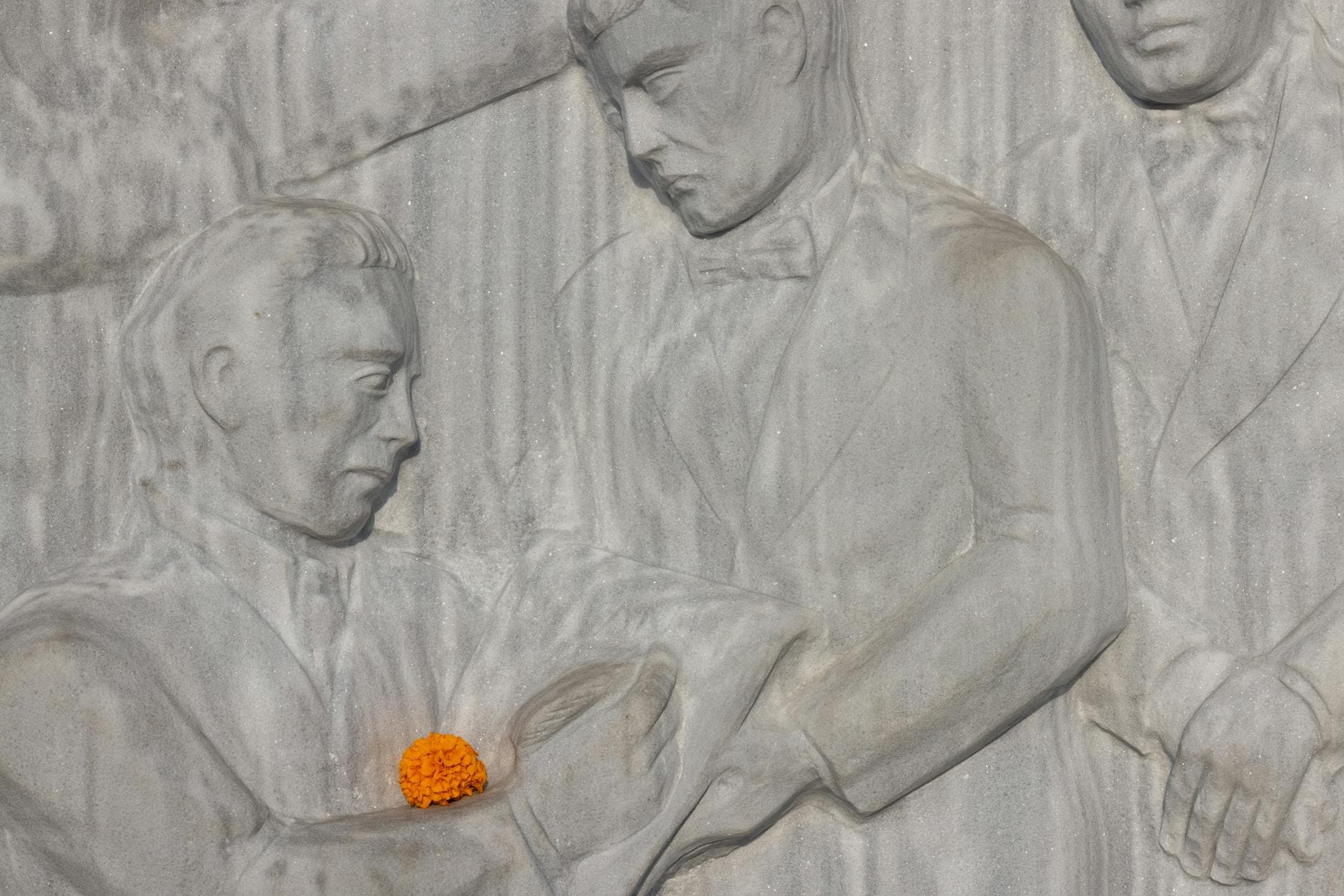
Banksy dropped a new sculpture into the ceremonial core of Westminster and, almost immediately, the city treated it less like vandalism than like a prize. A suited man stands on a plinth in Waterloo Place near Pall Mall, apparently hoisting a flag that covers his face, a gesture that makes the figure look as if he is walking blindly into danger. The work was installed overnight from a low-loader trailer, first noticed on April 29, then confirmed by Banksy on Instagram on April 30.
The setting gave the piece its charge. Waterloo Place sits inside Westminster’s symbolic center, close to royal palaces, government buildings and gentlemen’s clubs, where London’s public realm is already packed with official memory. Banksy’s figure, frozen in a gesture of patriotic display while being obscured by the same symbol, invited readings that ranged from blind loyalty to political theater to the way public emblems can hide reality. It was a classic Banksy move, but one that landed with unusual force in a neighborhood defined by state power and ceremony.
Westminster City Council said it had no plans to remove the sculpture and had already taken initial steps to protect it, welcoming it as part of the city’s public art landscape. The borough’s planning guidance says public art and historic statues bring economic and educational benefits to the community, a reminder that institutions often move quickly once a work starts drawing attention, visitors and value. What begins as an unsanctioned intervention can become a protected asset as soon as the authorities decide it belongs to the city’s story.
The episode also sharpened the contradiction at the center of Banksy’s career. His work depends on anonymity, surprise and the suggestion that art can still slip through the cracks of official life. Yet the response to the Westminster sculpture showed how quickly the market and the state can absorb that gesture, preserving the object even as they tame the challenge behind it. That tension has only grown more pointed after renewed attention to the artist’s identity, with a March 2026 investigation identifying Banksy as Robin Gunningham, born in Bristol in 1973 and later said to have changed his name to David Jones. His lawyer, Mark Stephens, has argued that exposing the artist’s identity could violate privacy, interfere with his work and put him in danger. In Westminster, the work’s meaning was already being fixed before the paint had even settled: a public joke, instantly defended, and instantly turned into heritage.
This article was produced by Prism’s automated news system from verified source data, official records, and press releases, then run through automated quality and moderation checks before publishing. The system is built and supervised by the people who set the standards it runs under. Read our full AI policy.
Did this article answer your question?