BASE jumping accident in Utah canyon kills Andy Lewis, one other
A fatal jump in Mineral Bottom killed Andy Lewis and another man, renewing scrutiny of a sport that mixes legal access with lethal risk.

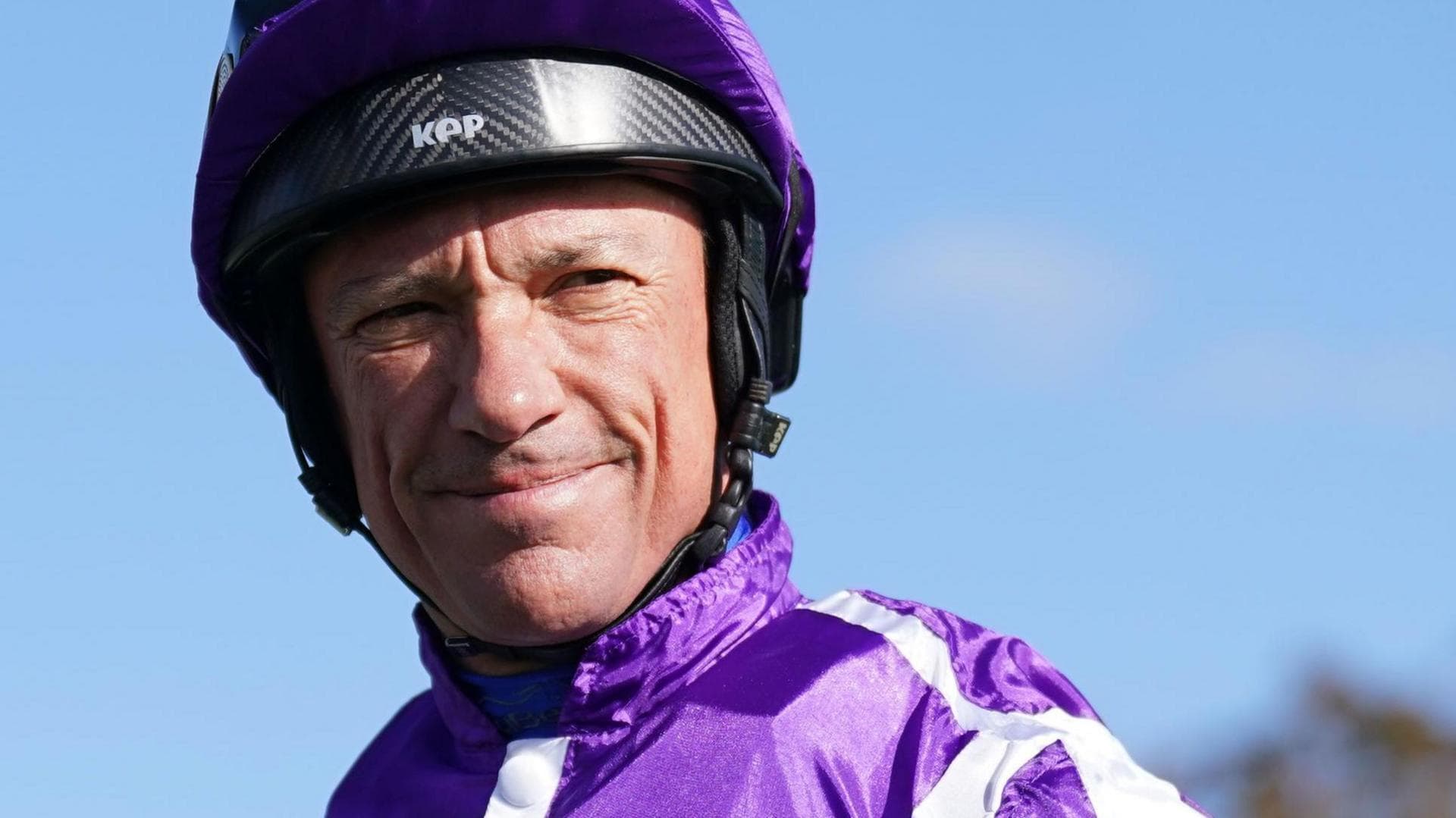
A jump in a remote Utah canyon ended with two deaths, including Andy Lewis, the slackliner and BASE jumper who became widely known for performing with Madonna during the 2012 Super Bowl halftime show. The crash in Mineral Bottom, about 30 miles northwest of Moab, once again showed how quickly extreme-sports culture can turn lethal, even in a region built around outdoor recreation.
Authorities said the second victim was a man in his 50s whose name had not been released. Lewis was 39, and some reports said he had completed more than 4,000 jumps. His death gave the accident unusual public visibility, but the core facts remain the same for the smaller world around BASE jumping: a leap from a fixed object, a short margin for error and little chance for rescue to change the outcome once something goes wrong.

BASE stands for buildings, antennas, spans and earth, the fixed objects from which jumpers launch. In canyons like Mineral Bottom, the sport’s danger is amplified by distance, rough terrain and the difficulty of reaching injured people fast enough. The Grand County Sheriff’s Office said the crash happened Sunday, June 14, 2026, in a remote canyon along the Green River, and later expressed condolences to the families and others affected.
The accident also lands in the middle of a larger policy debate over how public land is used in and around Moab. The Bureau of Land Management says the Moab Field Office covers about 1.8 million acres and is a major recreation hub, including BASE jumping. On May 12, 2026, the agency authorized commercial tandem BASE jumping at two locations in the field office, underscoring that the activity is not only tolerated in some places but also increasingly organized and commercialized.
Moab BASE Association has said BASE jumping on Bureau of Land Management land surrounding Moab is legal, a detail that sharpens the public-health question at the center of this death. Legal access does not erase the risk, and it does not lessen the strain on sheriff’s deputies, rescue teams and rural emergency responders when a jump goes bad in a canyon far from pavement, hospitals or easy extraction.
This article was produced by Prism’s automated news system from verified source data, official records, and press releases, then run through automated quality and moderation checks before publishing. The system is built and supervised by the people who set the standards it runs under. Read our full AI policy.
Did this article answer your question?