Baseball Adopts Robot Umpire Technology to Call Balls and Strikes
The Giants hosted the Yankees on opening night as MLB debuted its "robot umpire" challenge system, ending 100+ years of unchallenged human ball-strike calls.
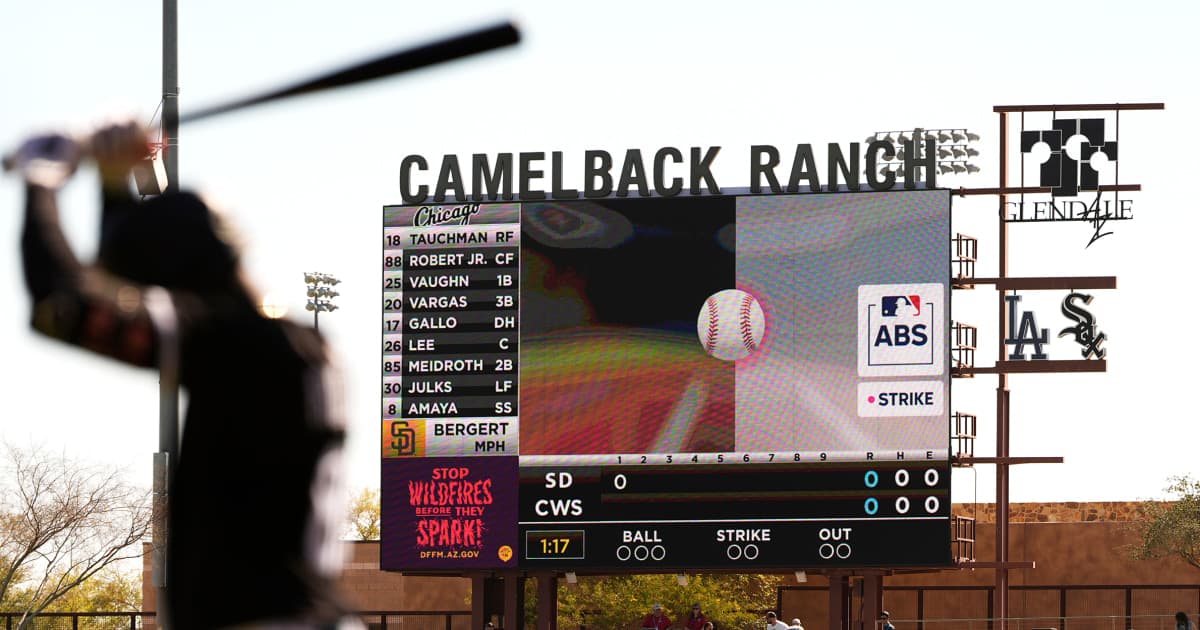
When the new baseball season opened Wednesday night in San Francisco, with the home Giants hosting the New York Yankees, lifelong fans of the national pastime were asked to brace for a dramatic change: the enactment of an ABS Challenge system dubbed the "robot umpire." The abbreviation stands for Automated Ball-Strike system, and it marks a genuine break from the sport's oldest ritual.
"For more than a century, baseball's home plate umpires have called a ball or strike based on interpretation of a vague, loosely defined strike zone." That era of unchallenged human judgment is now over, at least partially.
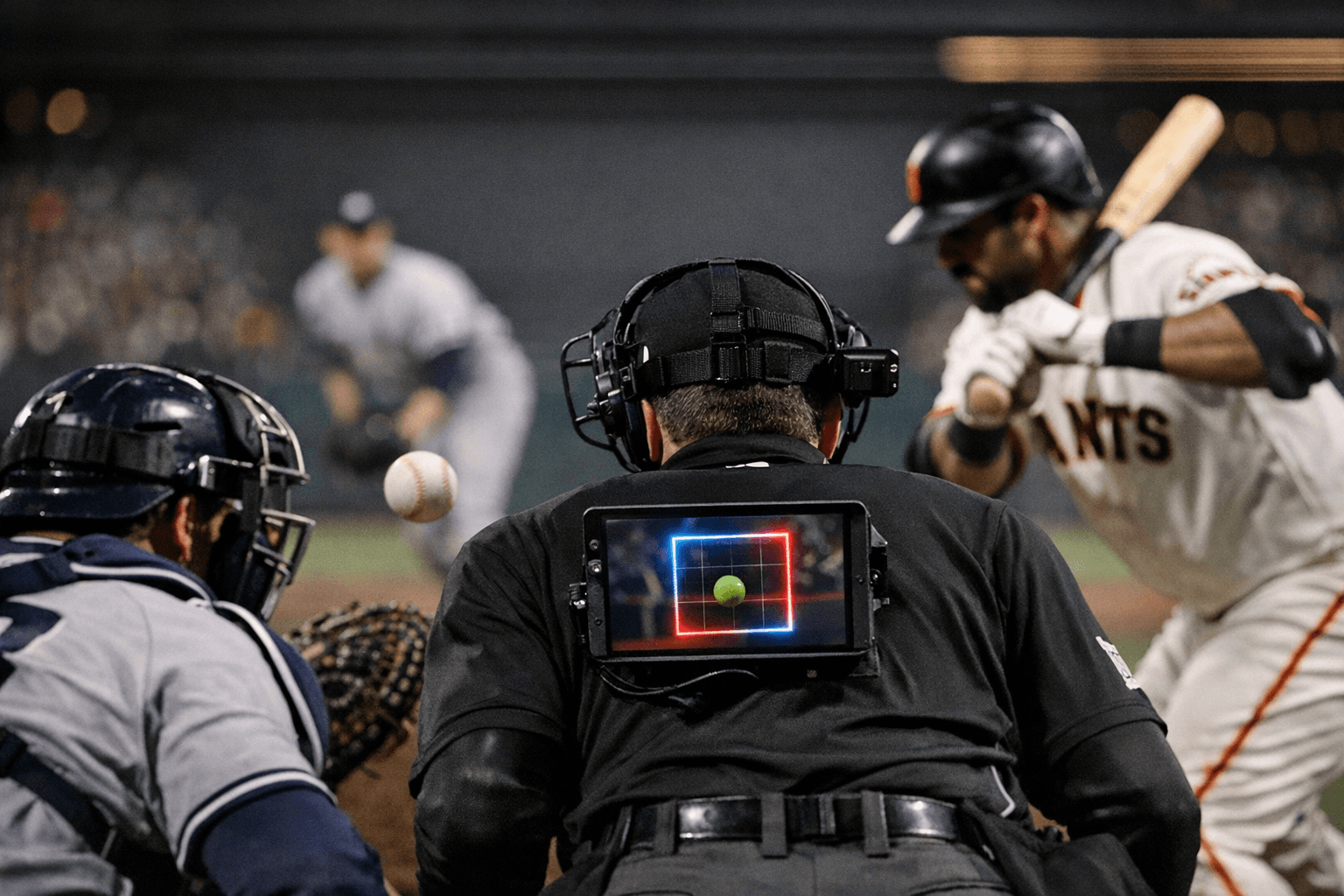
The ABS Challenge System keeps the home plate umpire making each call, but teams can now appeal to a computer system. Only the batter, pitcher, or catcher may challenge a call, signaling with the tap of a helmet or cap. Each team gets two challenges per game and only loses a challenge if the original call is upheld after review.
At the minor-league level, early experimentation included the use of ABS to call all balls and strikes based on a designated virtual strike zone, crafted using 12 Hawk-Eye cameras placed around the perimeter of the field and tracking the pitch's location, with the top and bottom boundaries of the zone determined by the batter's height. During the 2023 and 2024 Triple-A seasons, both the Challenge System and full ABS were tested. By the end of 2024, full ABS had been pushed aside in favor of the Challenge System.
The data from that testing gave the league confidence. In 288 games with the ABS Challenge System during Spring Training 2025, there were an average of 4.1 challenges per game, and those challenges took an average of 13.8 seconds, meaning the average game saw about 57 seconds of added time. As the league has noted, that effectively gives back only a fraction of the 26 minutes shaved from average game times since the pitch clock was introduced.
MLB senior writer Jayson Stark, writing in The Athletic, offered a measured endorsement of the hybrid approach. "It's actually a tribute to human umpires that baseball is not charging right into a system in which robots call every pitch," Stark wrote. "So in theory, umps can still control the pace of a game and call strikes the way humans see them."
But Stark also raised a longer-term concern rooted in the Triple-A experience. "In real life, if the experience in Triple A (minor leagues) tells us anything, those umpires are going to quickly get tired of having challenged calls overturned. So how can they avoid that? By calling balls and strikes the way they think the robots would call them." The overturn rate in Triple-A in 2025 was 50 percent, while the rate in spring training was 52 percent — figures that suggest challenges are not frivolous.
The top and bottom of the ABS strike zone vary based on the batter's height, with the league measuring and certifying all players during spring training. If any part of a baseball touches an area within the 17-inch-wide rectangle and falls between 53.5 percent of the batter's height at the top and 27 percent at the bottom, it is considered a strike.
The system also represents something else: the continuing march of technology and artificial intelligence into virtually every corner of our lives, including the world of sports. MLB's competition committee approved use of ABS beginning with the 2026 season in September 2025, with similar processes to those used in Spring Training and the All-Star Game. Whether human umpires quietly recalibrate their eyes to match the machine's geometry may prove to be the most consequential change of all.
This article was produced by Prism’s automated news system from verified source data, official records, and press releases, then run through automated quality and moderation checks before publishing. The system is built and supervised by the people who set the standards it runs under. Read our full AI policy.
Did this article answer your question?

.jpg&w=1920&q=75)
