Basilicanum grey pre-shade yields dirtier look on HoMM3 rogue
I painted a Heroes of Might and Magic 3 rogue using a basilicanum grey pre-shade and thin glazes to keep natural shading. The approach gave a grittier finish that suits the January competition theme.
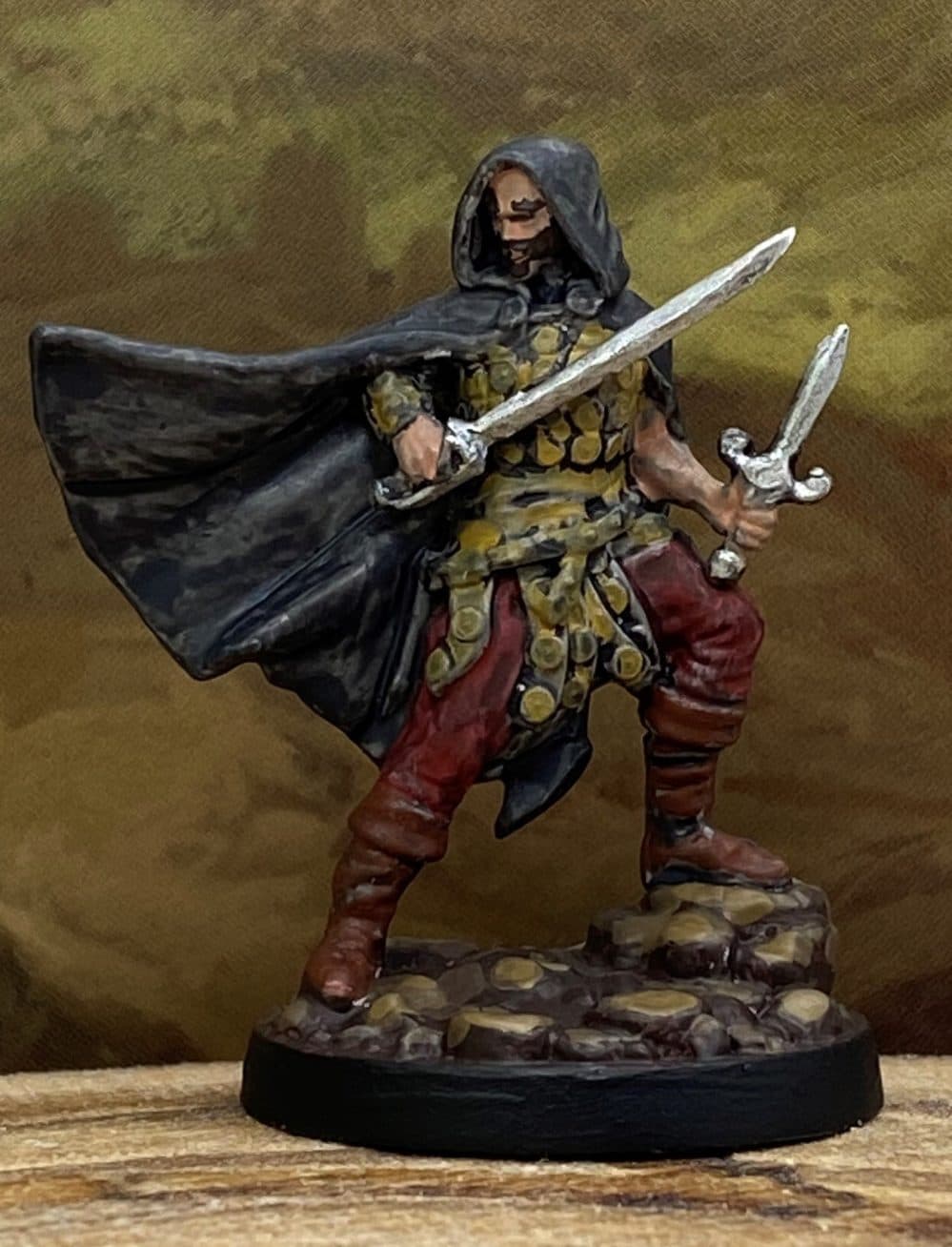
My first model of 2026 was a rogue from Heroes of Might and Magic 3, painted January 12 to fit the painting competition theme of sinners and saints. Rather than chase crisp highlights, I aimed for a moodier, dirtier finish that leaned on pre-shading and glazing to preserve natural contrast across the miniature.
I began with a grey seer undercoat to establish a neutral mid tone. Over that I applied an all-over coat of basilicanum grey to pre-shade the entire model. Leaving that tonal work intact was central to the plan: instead of blocking in opaque basecoats and repainting highlights, I thinned all subsequent colours to a wash or glaze consistency and applied them over the pre-shade. That kept the basilicanum grey’s shadows visible and produced a lived-in, slightly grimy look that suits roguish characters and darker fantasy palettes.
Colours used were straightforward and easy to replicate. Trousers received mephiston red, skin was cadian fleshtone, armour was balor brown, boots were doombull brown, the cape was corvus black, and metallics used ironfang. Each paint was watered down to a wash or glaze consistency and layered thinly, rather than slathered on as opaque coats. The result was subtle saturation with the underlying basilicanum grey reading through, giving depth to volumes without heavy edge highlights.
This technique has practical value for painters who want quick cohesion and atmosphere without committing to advanced layering or wet blending. Pre-shading with a mid to dark neutral like basilicanum grey lets thin glazes do the heavy lifting for tonal transitions, so you can achieve believable grime, fast shadow depth, and smoother colour transitions on smaller sculpts. It’s particularly useful for contest entries that require a specific mood or theme, because it creates a consistent base language across skin, cloth, and metal.
For community painters chasing similar effects, focus on thinning paints to true glaze consistency and building colour in multiple passes rather than in a single heavy layer. Allow each glaze to dry before adding another to control saturation, and preserve contrast by avoiding over-brightening mid-tones until the final stages.
This rogue experiment shows that you don’t always need complex glazing techniques to get a weathered, natural result. If you're entering themed competitions or want a quick way to achieve gritty realism, try a grey undercoat followed by a basilicanum grey pre-shade and thin glazes. Expect consistent depth and a pleasingly dirty finish that reads well on the table and fits darker narrative themes.
Know something we missed? Have a correction or additional information?
Submit a Tip