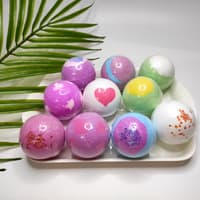
Bath Bomb Boom Continues, Safety and Labeling Take Center Stage
Bath bombs remain a booming part of personal care and DIY culture, drawing attention for their colorful soaks and social media appeal, while regulators and consumer safety notices push makers to improve labeling and testing. This matters because common ingredients can irritate sensitive skin, and proper allergen disclosure and microbiological safety testing protect buyers and preserve the indie market.
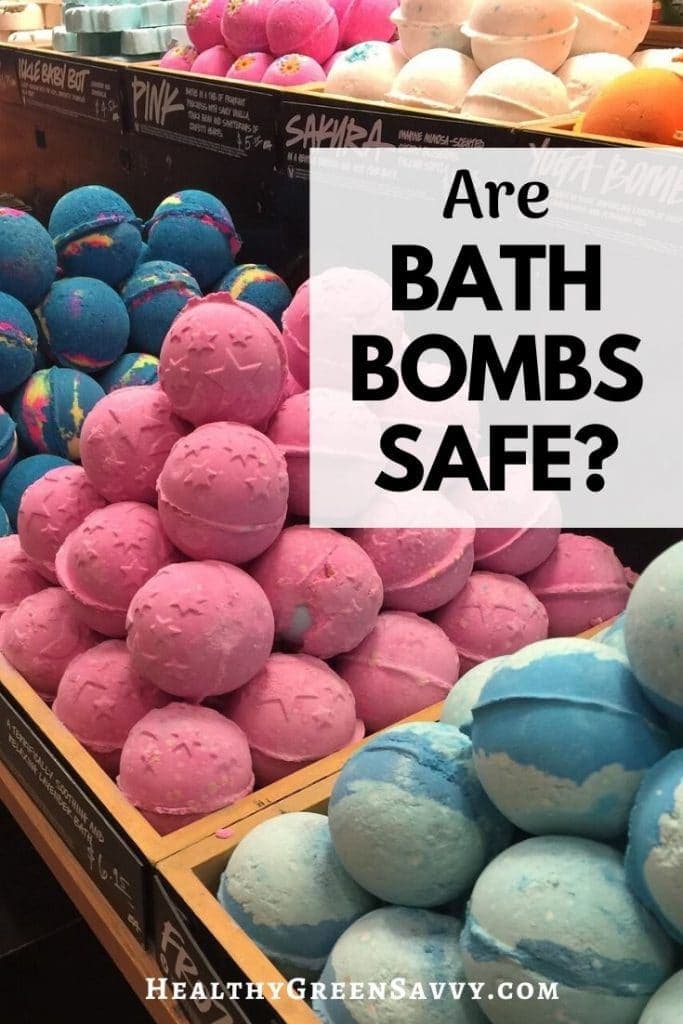
Bath bombs have grown from niche novelty to mainstream staple, sold by indie makers, major brands, and as DIY kits, and the trend shows no signs of slowing. As colorful Instagram friendly soaks and the practice of bath scaping attract consumers, regulators are increasingly flagging non compliant products for forbidden ingredients and insufficient labeling, prompting sellers to pay closer attention to safety and transparency.
A bath bomb is an effervescent product dropped into bathwater to add fragrance, color, and skin care ingredients. Its characteristic fizz comes from an acid base reaction, typically citric acid combined with sodium bicarbonate, which releases carbon dioxide and disperses scents and oils into the tub. Modern versions are commonly credited to Mo Constantine, co founder of Lush, who developed early iterations in the late 1980s.
Core formulations center on baking soda and citric acid, with makers adding moisturizers such as butters and oils, Epsom salt, surfactants, fragrances and essential oils, pigments and micas, and occasional novelty inclusions like toys and charms. Product innovation continues with shower bombs, liquid bath concentrates, and food inspired scents that expand consumer choice and creative opportunities for small producers.
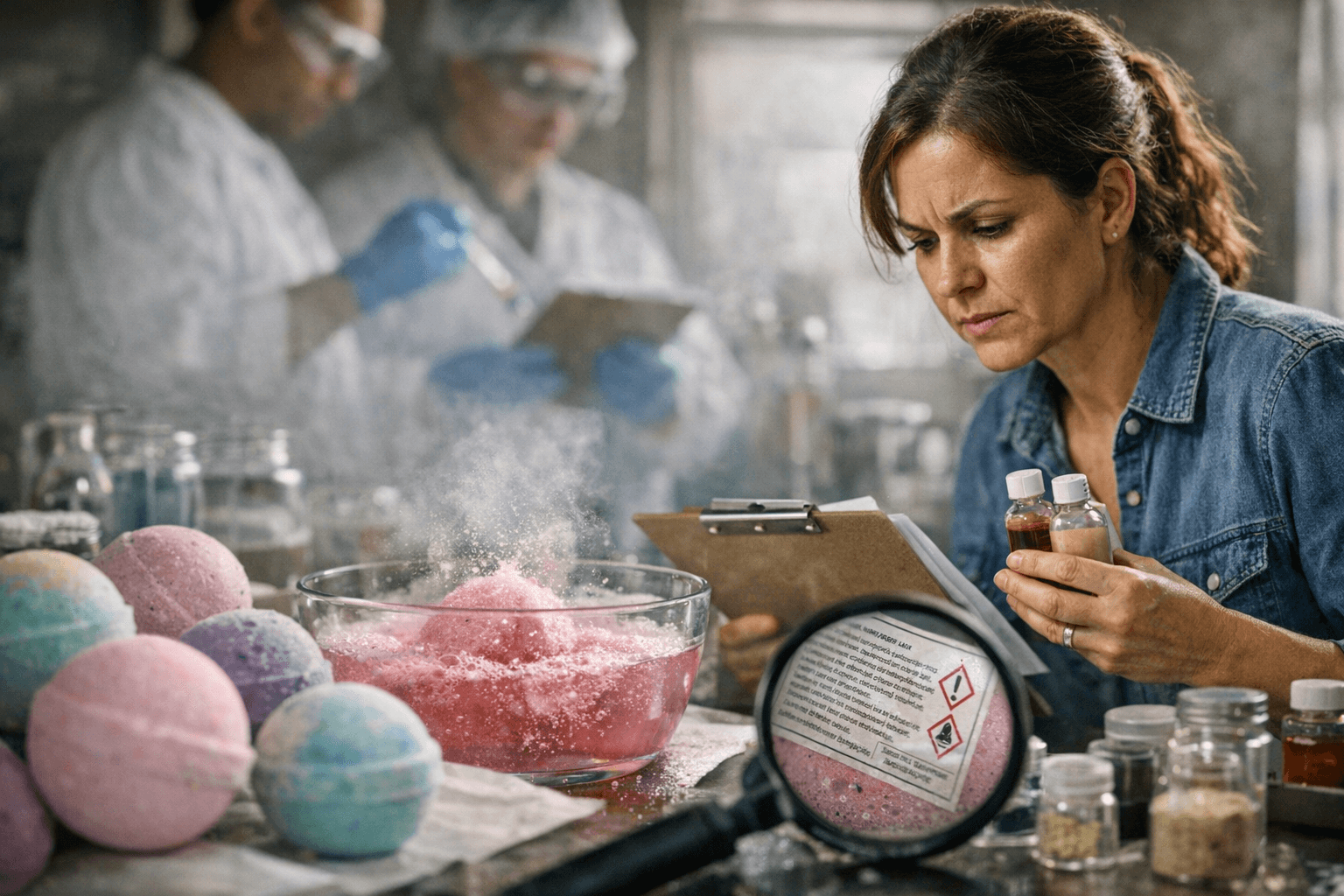
Safety concerns are practical and specific. Additives, including fragrance chemicals, colorants and some preservatives, can cause skin irritation or sensitization in susceptible people. Common allergenic components include oxidized limonene and linalool, along with certain synthetic fragrance components. Consumer safety notices emphasize correct labeling, child safety measures for products that include toys, and testing to detect prohibited fragrance chemicals. When botanicals or water are present in a formulation, test finished products for microbiological safety.
If you make bath bombs, label allergens clearly, follow cosmetic regulations that apply in your market, and test finished products for microbiological contamination when formulas include water or botanicals. If you buy bath bombs and have sensitive skin, test a new product on a small patch before using a full bath, and avoid products that lack clear ingredient lists. Clear labeling and basic testing protect consumers and help the growing community of small makers sustain demand while keeping safety front of mind.
Know something we missed? Have a correction or additional information?
Submit a Tip