Batistuta, Valdano and Zamorano relive World Cup glory, Mexico memories
Valdano said the Azteca would be "a reventar" as Batistuta and Zamorano recalled how World Cup pressure can become a national burden.

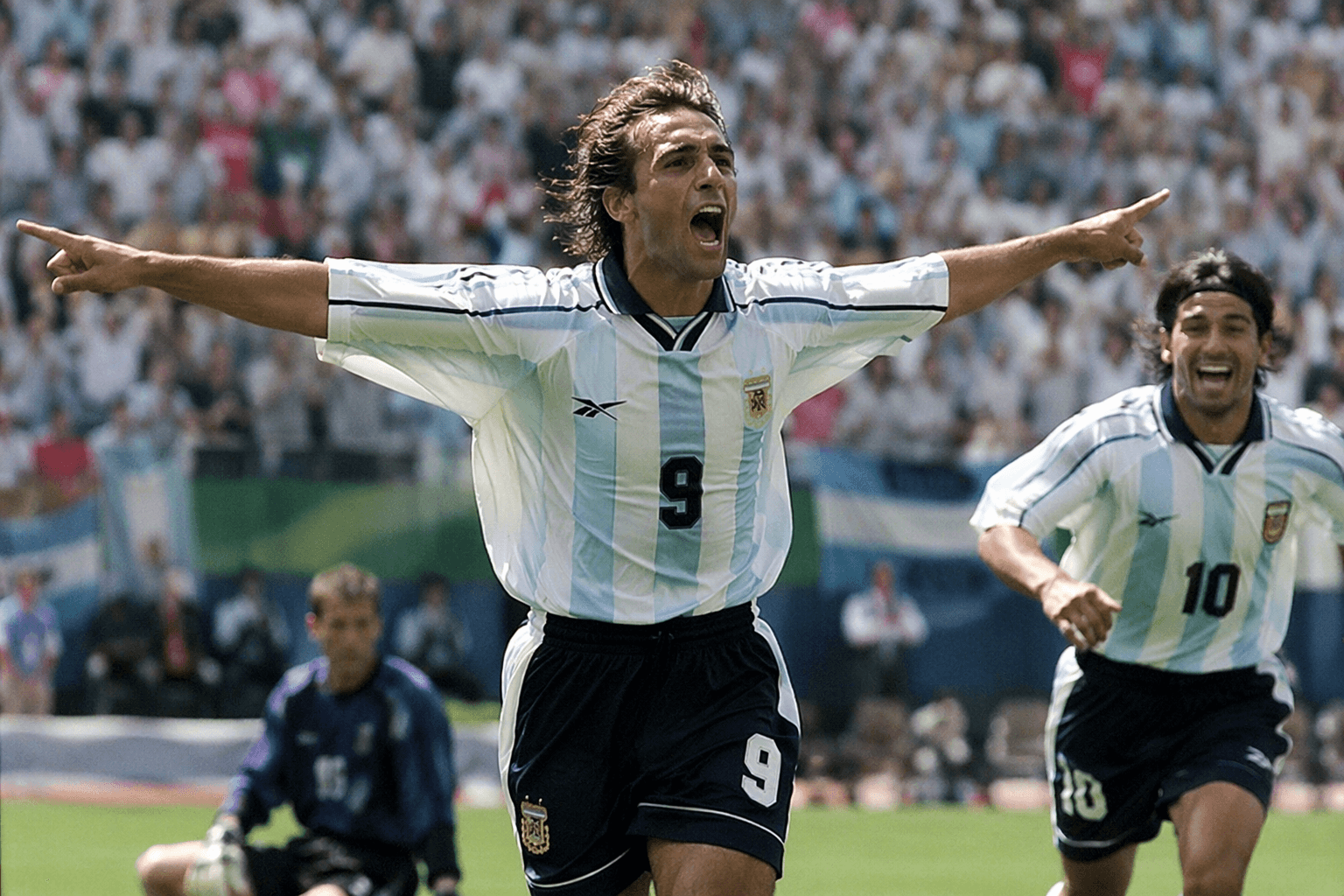
The loudest sound around this World Cup was not on the pitch. It came from three men who know what it means to carry a country’s expectations: Gabriel Batistuta, Jorge Valdano and Iván Zamorano, each recalling that the biggest tournaments demand more than talent. Their memories turned Mexico, Sydney and the World Cup itself into a study of pressure, identity and the weight of being remembered.
Valdano spoke from Mexico, where he won the 1986 World Cup with Argentina and where the Estadio Azteca still defines his emotional map. He said the stadium would be "a reventar" and added that, while he felt little "calor de un mundial" in the street, his hotel held "media humanidad futbolística". The contrast captured the central tension of a World Cup: the event can feel overwhelming for those inside it even when the city outside seems calm. Valdano also pointed to France, Argentina, Spain, Portugal and possibly England as the main favorites for 2026, with Argentina still stirring him most deeply.
The memory that hangs over Valdano is not abstract. FIFA still preserves his World Cup goals from Mexico 1986, including the strike in the 56th minute against Germany Federal in the final, along with goals against South Korea and Bulgaria. Those clips are more than archival highlights. They are reminders of how one tournament can fix a player forever in a nation’s memory, especially when the final is played in the same stadium that now stands at the center of the 2026 conversation.
Batistuta carries a different but equally revealing record. For years, before Lionel Messi overtook him at Qatar 2022 with 11 World Cup goals, Batistuta was Argentina’s top scorer in the tournament with 10 goals in 12 matches. That number made him a standard for Argentine expectation, the sort of benchmark that turns every new striker into a comparison and every missed chance into public debate. Messi’s passing of the record only underlined how rare Batistuta’s mark had been.
Zamorano’s memory adds another layer to the burden of representation. In Sydney 2000, he was 33 and playing for Inter de Milán when he led Chile to its first medal in men’s Olympic football. He opened the tournament with a hat-trick against Morocco in a 4-1 win, a performance that gave Chilean football a landmark moment outside the World Cup itself. Telemundo’s June 21, 2026 coverage used those legends to show that the tournament is never just about tactics or trophies. It is about who can survive the pressure of carrying a nation’s history in real time.
This article was produced by Prism’s automated news system from verified source data, official records, and press releases, then run through automated quality and moderation checks before publishing. The system is built and supervised by the people who set the standards it runs under. Read our full AI policy.
Did this article answer your question?