Bay Area Breweries Expand Taprooms as National Craft Volumes Fall
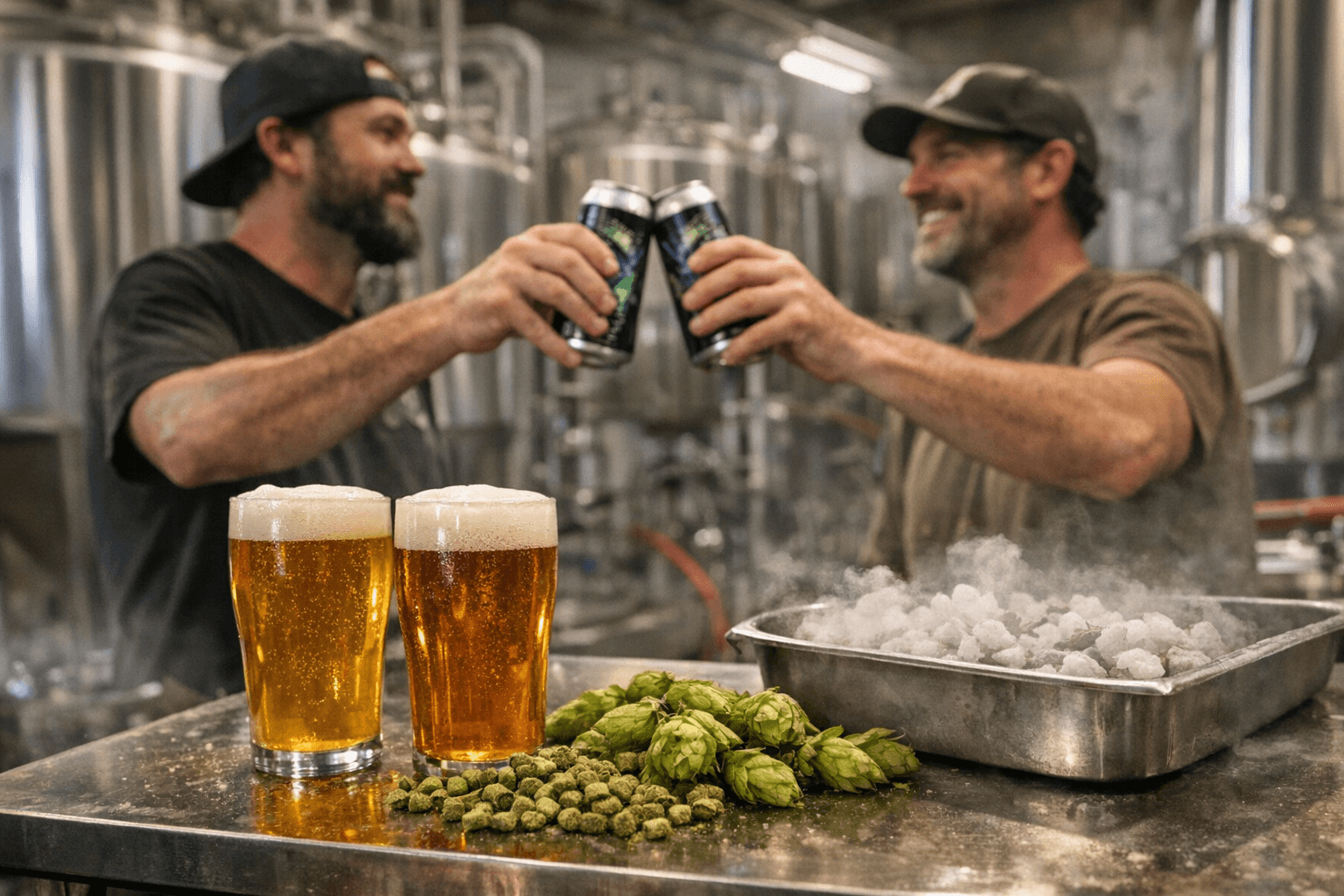
National craft beer production fell again in 2025, but at least eight Bay Area breweries expanded last year by leaning into taprooms, food, and diversified beverage menus. That shift toward hospitality-first operations highlights a practical survival strategy for local brewers as wholesale markets contract.
Craft beer nationally continued a multi-year slide in 2025, with Brewers Association figures showing another decline in production. Locally, however, a distinct countertrend emerged: at least eight Bay Area breweries grew last year by doubling down on hospitality and on-site sales rather than chasing scale in wholesale distribution.
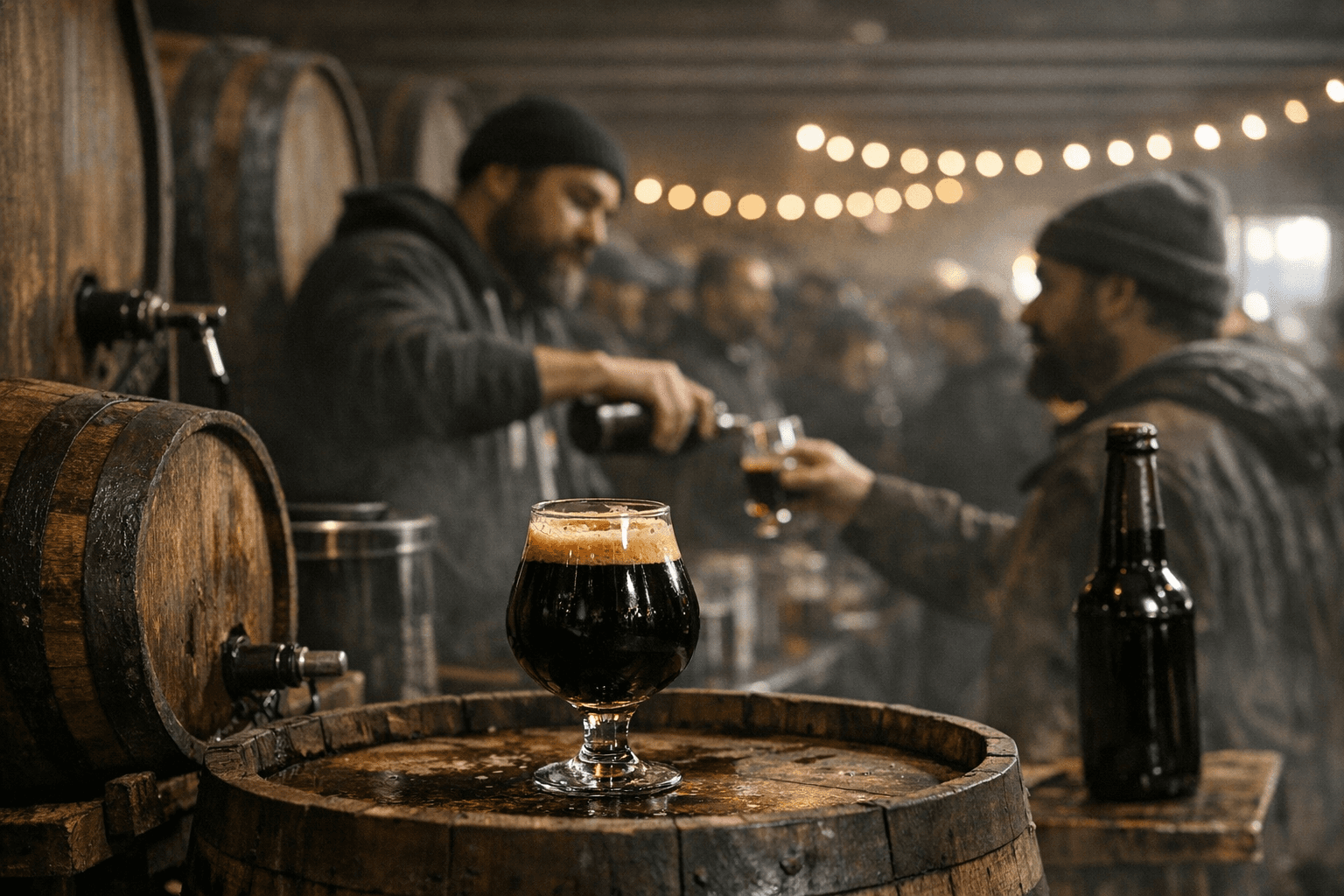
Calicraft, Headlands, East Brother Beer Co., Canyon Club and others opened new taprooms or expanded existing ones, added full food menus, carved out family-friendly spaces, and broadened beverage lists to include cocktails, spirits and non-alcoholic beer. Several operations moved into distilling or launched canned cocktails as an additional revenue stream. Those choices reflect a clear business logic: on-site sales deliver much higher margins than wholesale distribution, and taproom customers spend more per visit when given food and varied drink options.
The results were practical and immediate. New taprooms created regular foot traffic and allowed brewers to retain greater control over pricing and brand experience. Expanded food programs turned the taproom into a destination beyond the beer list, while family-friendly layouts kept weekday and early-evening business steadier. Diversified beverage offerings captured customers who might not drink beer or who visit in groups with mixed preferences.
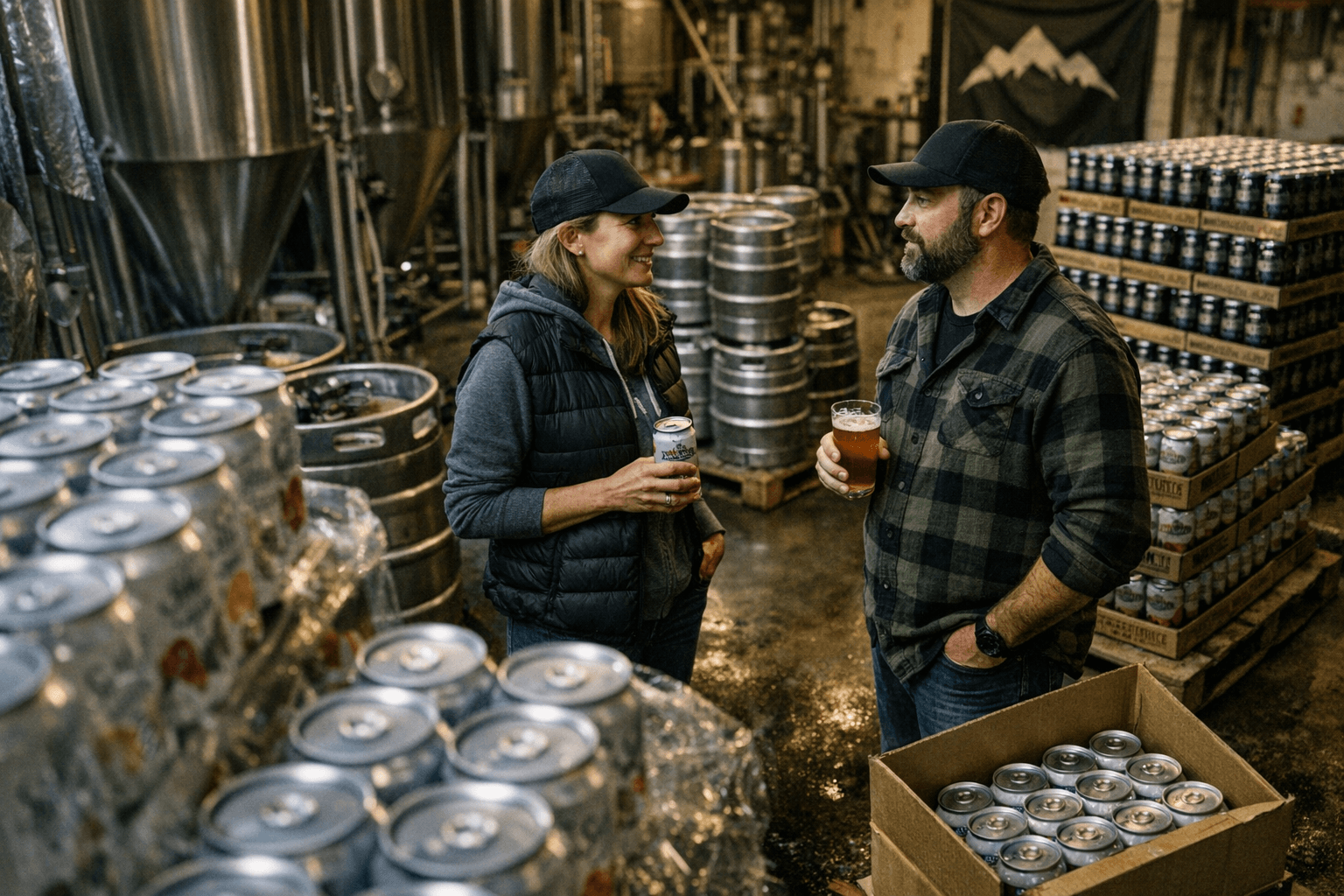
This hospitality-first approach does not erase the broader challenges. The Bay Area scene remains mixed: expansions sit alongside recent closures and bankruptcies among production-focused brands. Larger breweries that relied on wholesale volume and distribution discounts faced tighter margins and inventory pressure last year. For small and mid-sized operations, the path to resilience in 2025 often ran through the tasting room rather than the tanker.
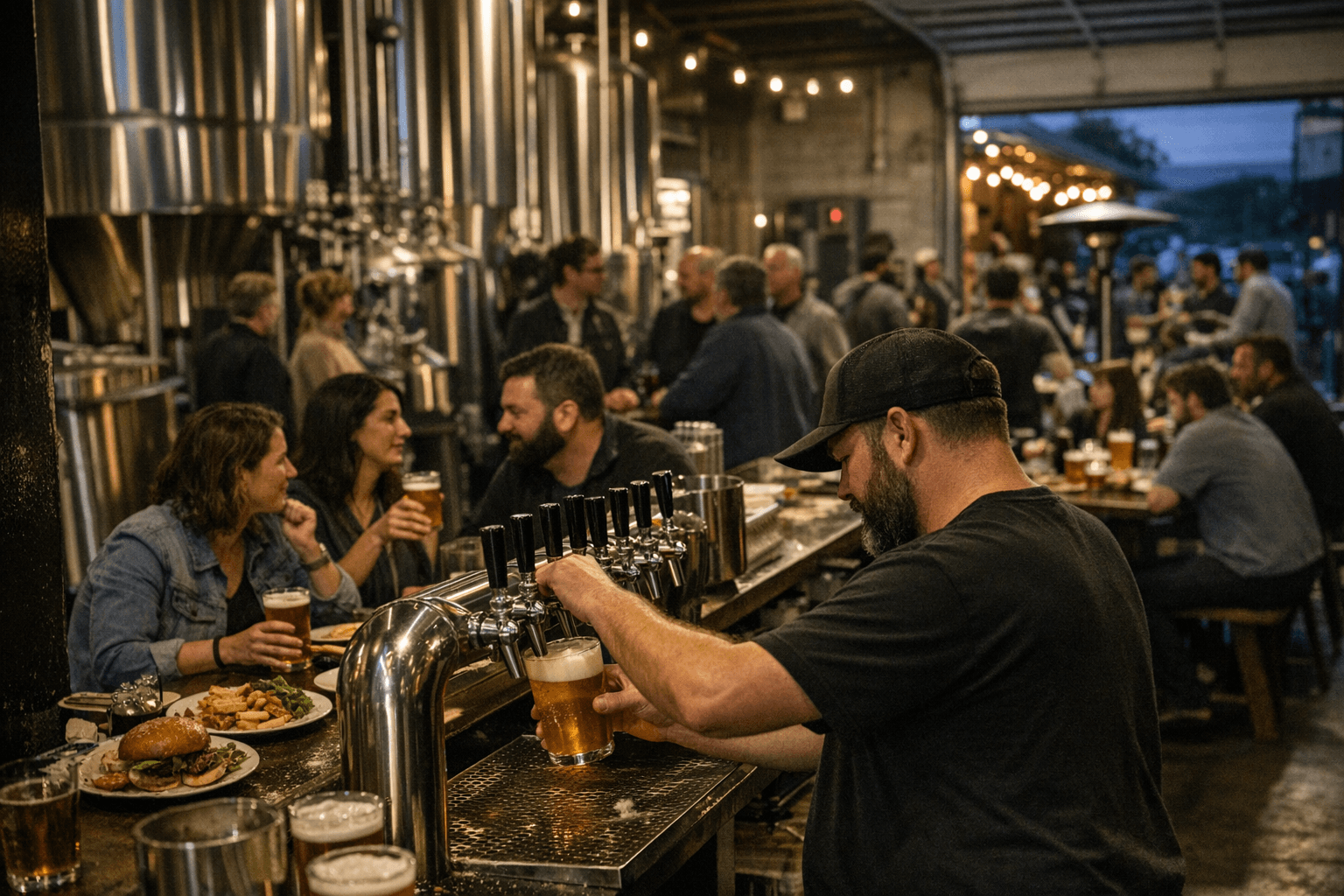
If you run a brewery or manage a taproom, consider concrete steps that proved effective locally: prioritize on-site revenue streams, build a dependable food program that complements beer styles, create welcoming spaces for families and non-beer drinkers, and test low-risk beverage diversification such as canned cocktails or small-batch spirits. For homebrewers and customers, these taproom-focused breweries mean more varied local offerings and more opportunities to support makers directly.
The Bay Area’s 2025 brewery story is not one of uniform decline or unalloyed growth. It is a portrait of adaptation: when national markets contract, maximizing margins through hospitality and diversification can keep a local brewing scene vibrant and connected to its neighborhoods.
Sources:
Know something we missed? Have a correction or additional information?
Submit a Tip