BBC ends Football Focus after 52 years amid changing viewing habits
Football Focus will end after 52 years, as BBC Sport says fans now consume football analysis in different ways and a familiar Saturday ritual no longer fits.
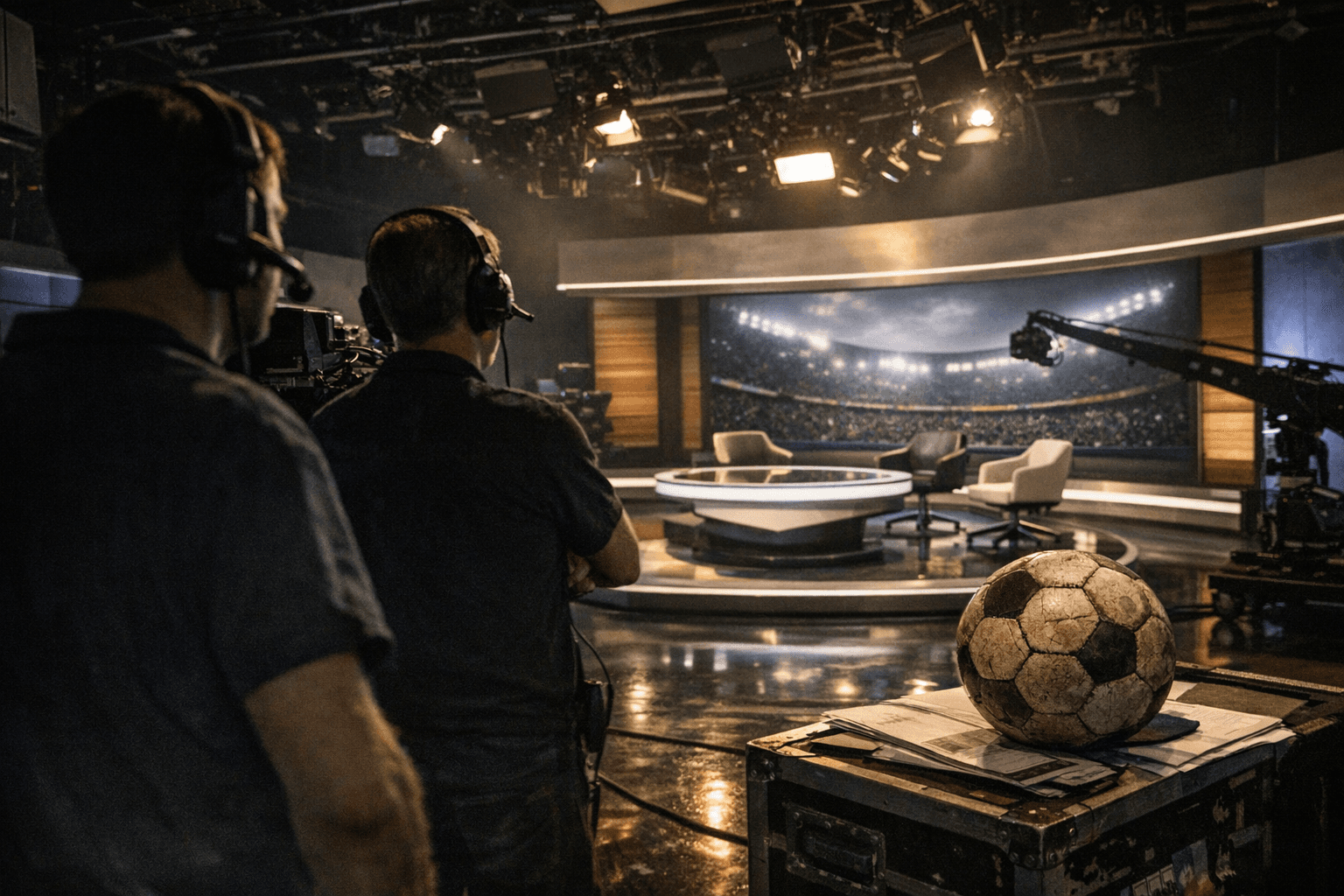
Football Focus will leave BBC One’s Saturday lunchtime schedule at the end of the 2025-26 season, closing a 52-year run that began in 1974 and grew out of a Grandstand football preview slot before becoming a stand-alone programme in 2001. BBC Sport said the end came down to “changing audience behaviours”, a blunt acknowledgement that one of the corporation’s longest-running sports fixtures no longer matches how viewers follow football.
The decision removes a show that has framed Saturday afternoons for generations, with a format built around pre-match analysis, interviews and the slow build to kick-off. It also marks another retreat for appointment-to-view broadcasting at a time when fans increasingly assemble their own match-day coverage through clips, streams, social media and instant reaction rather than waiting for a fixed broadcast window.

Alex Scott, who has presented Football Focus since 2021, will remain central to BBC Sport coverage. She became the first full-time female host of the programme, a milestone that gave the show a new face after decades of male presenters. BBC head of sport Alex Kay-Jelski said the decision was made before the corporation’s wider savings announcement and said Scott would stay “at the heart” of BBC Sport output, including coverage of next year’s Women’s World Cup in Brazil.
The programme’s presenter list reflects its long place in BBC sport history. Sam Leitch, Bob Wilson, Steve Rider, Dan Walker and Alex Scott all fronted a show that sat alongside the BBC’s broader football identity, from Saturday lunchtime build-up to Match of the Day later in the day. For many viewers, Football Focus was less a magazine programme than a weekly cue that the domestic football calendar had begun.
Its end also lands against a tighter financial backdrop at the BBC. The corporation has said it needs to find £500 million in savings over the next two years, a pressure that has sharpened scrutiny of legacy formats and the cost of maintaining them. The loss of Football Focus suggests that even established public-service broadcasting rituals now have to justify themselves against fragmented viewing habits and reduced budgets.
What disappears with the show is not just one title, but a shared national habit: the Saturday lunchtime gathering point that once made football feel like a common broadcast experience. As that audience scatters, the BBC is signalling that heritage alone is no longer enough to keep a format alive.
This article was produced by Prism’s automated news system from verified source data, official records, and press releases, then run through automated quality and moderation checks before publishing. The system is built and supervised by the people who set the standards it runs under. Read our full AI policy.
Did this article answer your question?

.jpg&w=1920&q=75)
