BBC gains rare access to Lebanon’s Israeli-occupied border zone
Flattened villages and fresh displacement orders greeted a rare convoy into Lebanon’s occupied border zone, where return looks impossible under a ceasefire that keeps fraying.
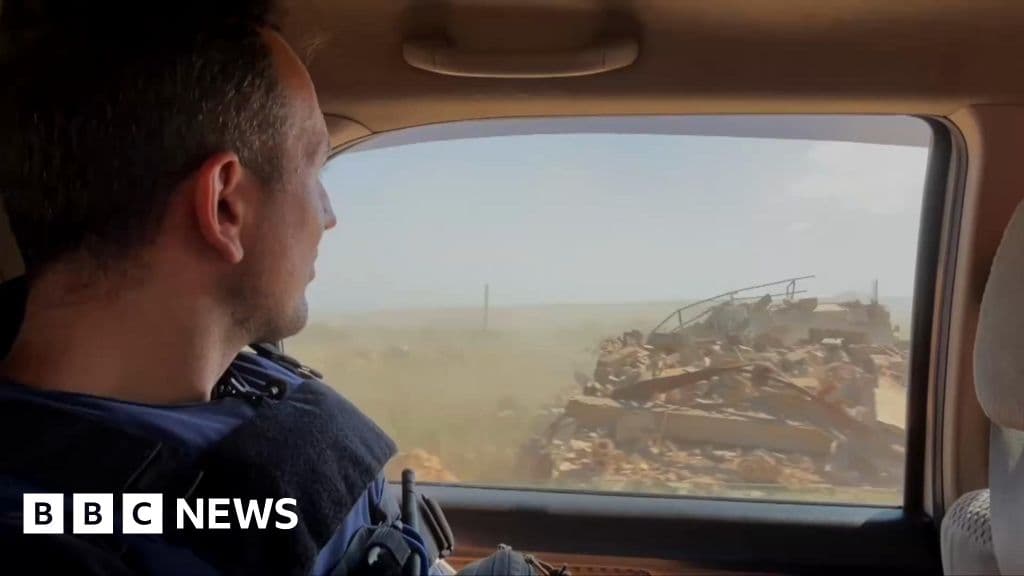
Homes reduced to rubble, roads torn open and farmland leveled framed the rare journey into Lebanon’s Israeli-occupied border zone as Hugo Bachega traveled with a humanitarian convoy through the south. The damage was not a backdrop to the trip. It was the point: civilians are still living with the legal and human consequences of an occupation that has outlasted the ceasefire promises meant to end it.
Israel and Hezbollah announced a U.S.-brokered cessation of hostilities on November 26, 2024, and it took effect at 4:00 a.m. on November 27. The understanding said Israeli forces would withdraw from south of the Blue Line within 60 days, while Hezbollah would pull back north of the Litani River. When UN officials said on February 18, 2025, that that withdrawal period had expired, Israeli forces had still not fully left.
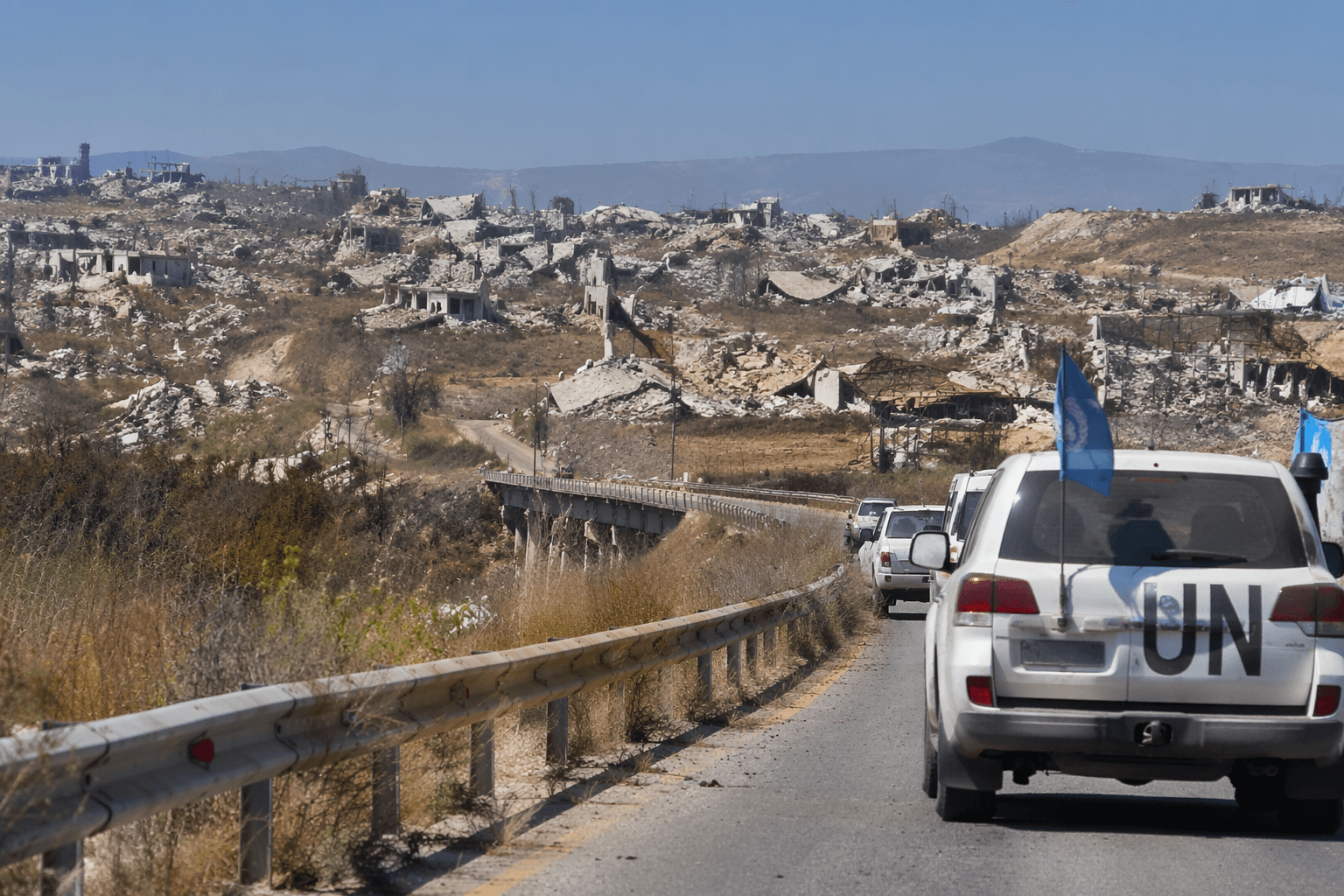
What remains on the ground is a landscape of abandonment and insecurity. Recent reporting and visual investigations have described towns and villages across southern Lebanon as heavily damaged or destroyed, especially in areas around Tyre, Nabatieh and Bint Jbeil. Residents who have tried to return have found shattered homes, broken roads and damaged civilian infrastructure, with little certainty that reconstruction can begin while the military situation remains unstable. In that sense, the issue is not only who controls the border zone, but whether civilian life can resume at all.
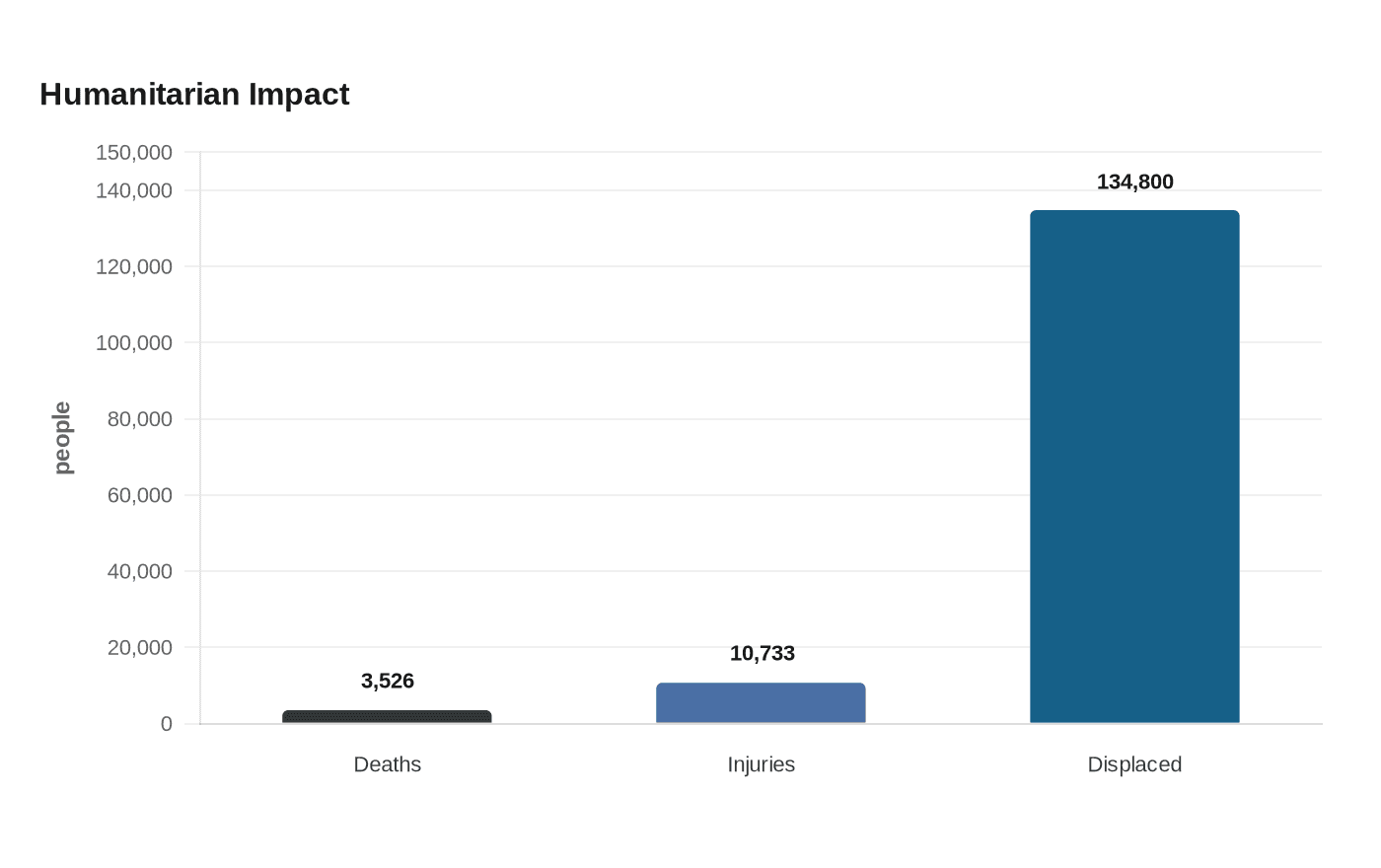
The humanitarian toll has kept rising. UN OCHA said in June 2026 that hostilities continued despite ceasefire announcements, with six new displacement orders covering 14 localities in South and Nabatieh governorates. Its revised flash appeal, launched with the Government of Lebanon on June 5, sought US$639.9 million to assist 1.4 million people through August 2026. OCHA also reported at least 3,526 deaths and 10,733 injuries since March 2, 2026, and 134,800 displaced people in 642 collective shelters as of June 11.
Rights groups have warned that the pattern of displacement itself may be unlawful. Amnesty International said in June 2026 that Israel’s repeated mass evacuation and no-return orders in southern Lebanon amount to unlawful transfer and can constitute a war crime. Human Rights Watch said on June 11 that civilian killings and the displacement of hundreds of thousands of Lebanese civilians had continued despite the ceasefire. Vatican News also reported that a humanitarian convoy headed toward three Christian villages in the south had to change route after an exchange of fire, underscoring how even aid movement is being shaped by the fighting.
UNIFIL, created in March 1978 to confirm Israeli withdrawal from Lebanon and help restore state authority in the south, now sits in the middle of a long-running contest over borders, security and control. For families in the border villages, the question is no longer abstract diplomacy. It is whether they can safely go home, rebuild and stay.
This article was produced by Prism’s automated news system from verified source data, official records, and press releases, then run through automated quality and moderation checks before publishing. The system is built and supervised by the people who set the standards it runs under. Read our full AI policy.
Know something we missed? Have a correction or additional information?
Submit a Tip