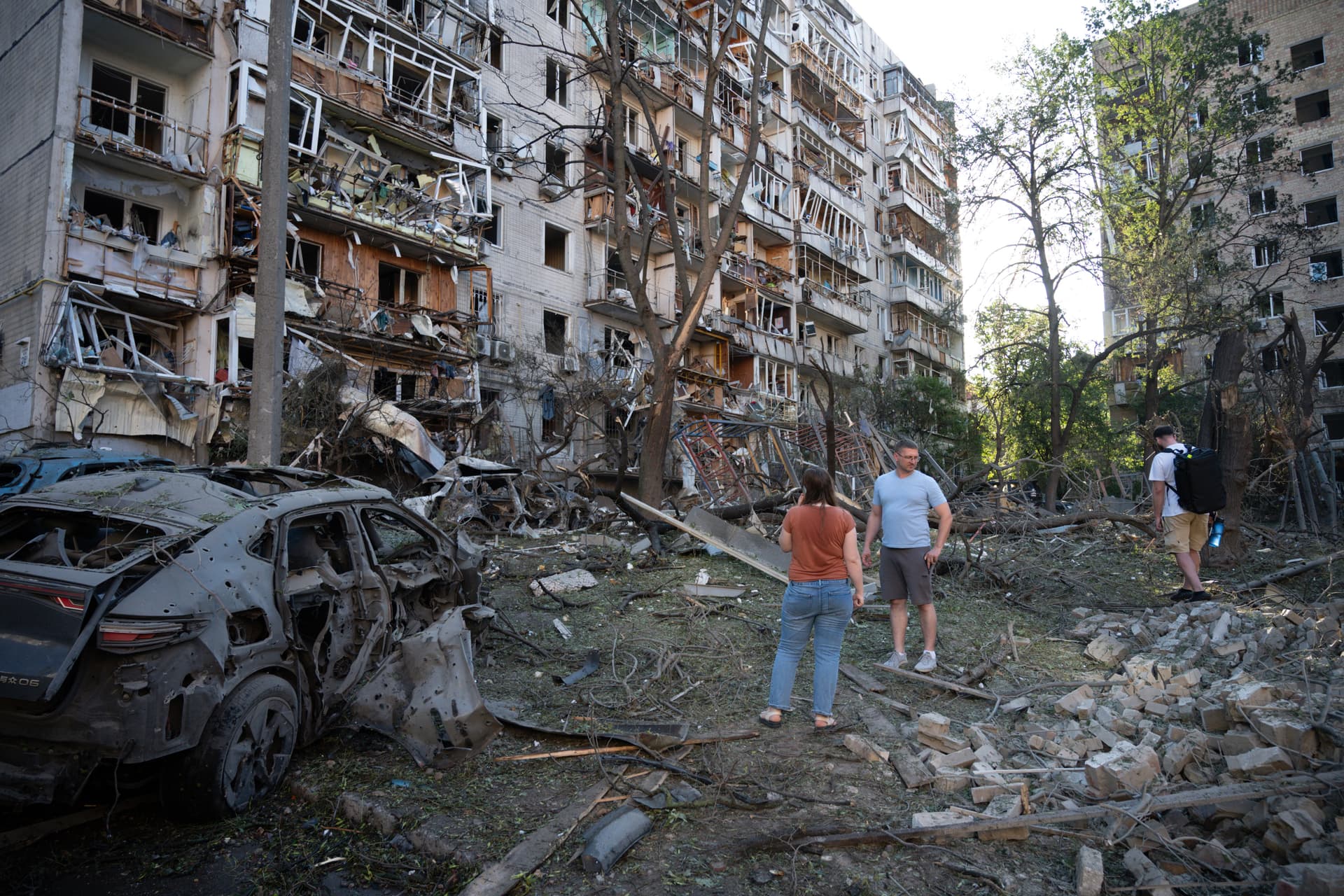
BBC limited by UK election-day rules until polls close
Broadcasters were barred from election talk until 10pm, while newspapers could still put geopolitics, sport and Rishi Sunak on the front page.
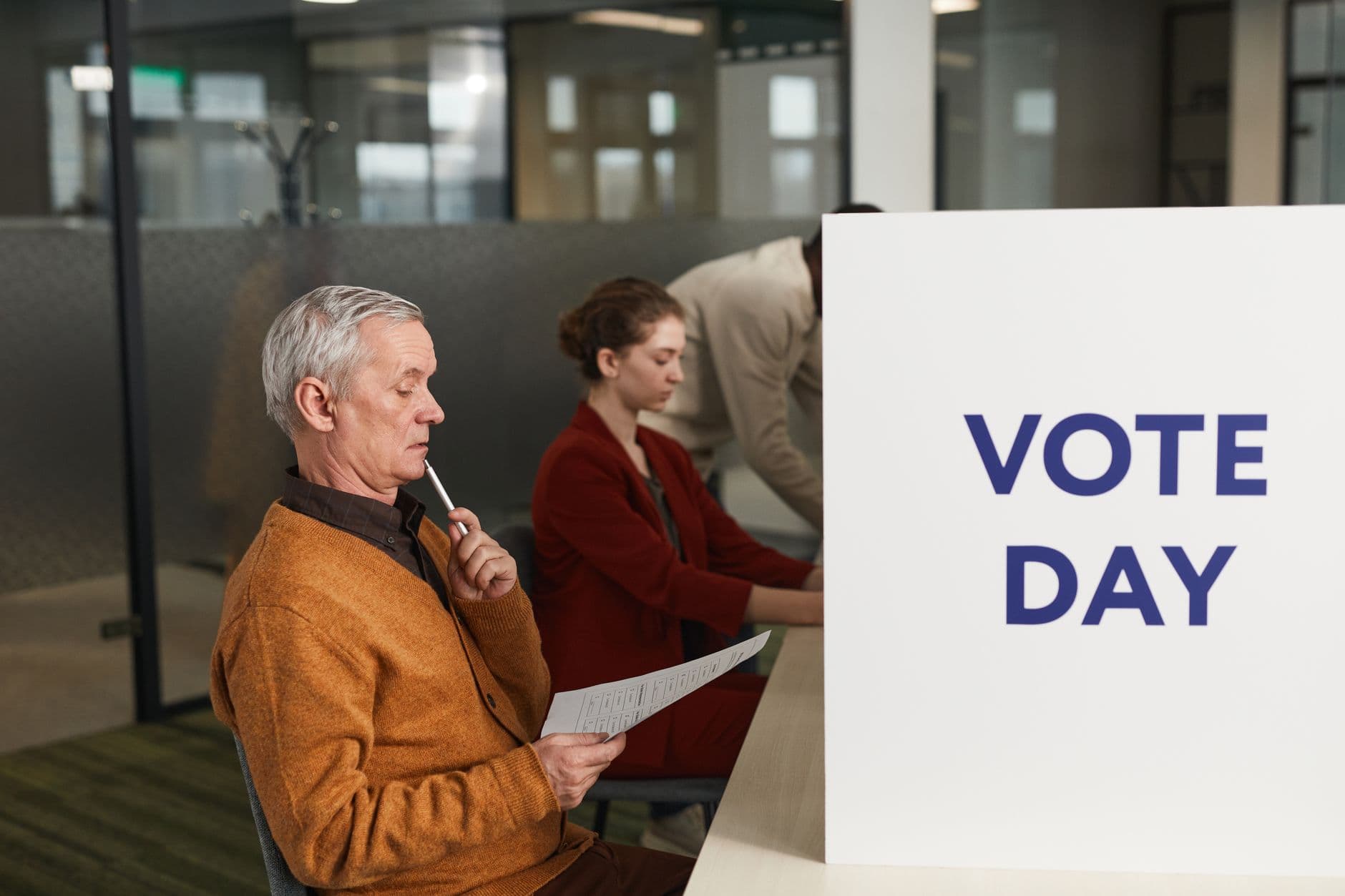
The BBC and every other UK broadcaster were limited by election-day rules as soon as polling stations opened, forced to hold back discussion of campaigning and election issues until voting finished at 10pm. Opinion-poll results were also off-limits until the polls closed, leaving TV and radio unable to fill the day with the political analysis that would normally dominate a live news cycle.
Ofcom, the broadcast regulator, said broadcasters were responsible for due impartiality during election periods and had to handle election-related complaints quickly. The Electoral Commission set out the same basic boundary in plain terms: broadcasters on TV and radio must not discuss or analyse election issues once polling stations had opened, and that restriction ran until 10pm when voting ended. During that period, political parties and independent candidates also had to be given due weight across a broadcaster’s TV and radio coverage.

That framework mattered because it created a split-screen media day. Sky News, the BBC and other broadcasters could report around the edges of the vote, but they could not treat the election itself as open terrain while the public was still casting ballots. Newspapers and magazines, by contrast, were governed by a different set of rules and were free to publish political discussion on polling day, including policy and political issues that broadcasters had to leave alone.
That difference shaped what appeared on front pages. Editors in print could still decide whether the biggest story was domestic politics around Rishi Sunak, geopolitics involving Iran, Israel, Lebanon and the Strait of Hormuz, or the pull of sport. In that sense, the front page became a map of what a publication thought the country most needed to see first, even while broadcast outlets were under a legal pause.
The result was more than a technical rulebook for journalists. It showed how the national agenda was split between the urgency of a live election and the wider news cycle, from Westminster to the Middle East to the back pages. When newspapers elevated one of those strands over the others, they were not just choosing a headline, they were signaling what counted most in the country at that moment.
This article was produced by Prism’s automated news system from verified source data, official records, and press releases, then run through automated quality and moderation checks before publishing. The system is built and supervised by the people who set the standards it runs under. Read our full AI policy.
Did this article answer your question?