BBC marks David Attenborough 100th birthday, honoring his nature legacy
BBC is saluting David Attenborough at 100 with a Royal Albert Hall tribute that shows how one broadcaster rewired the world’s view of nature.
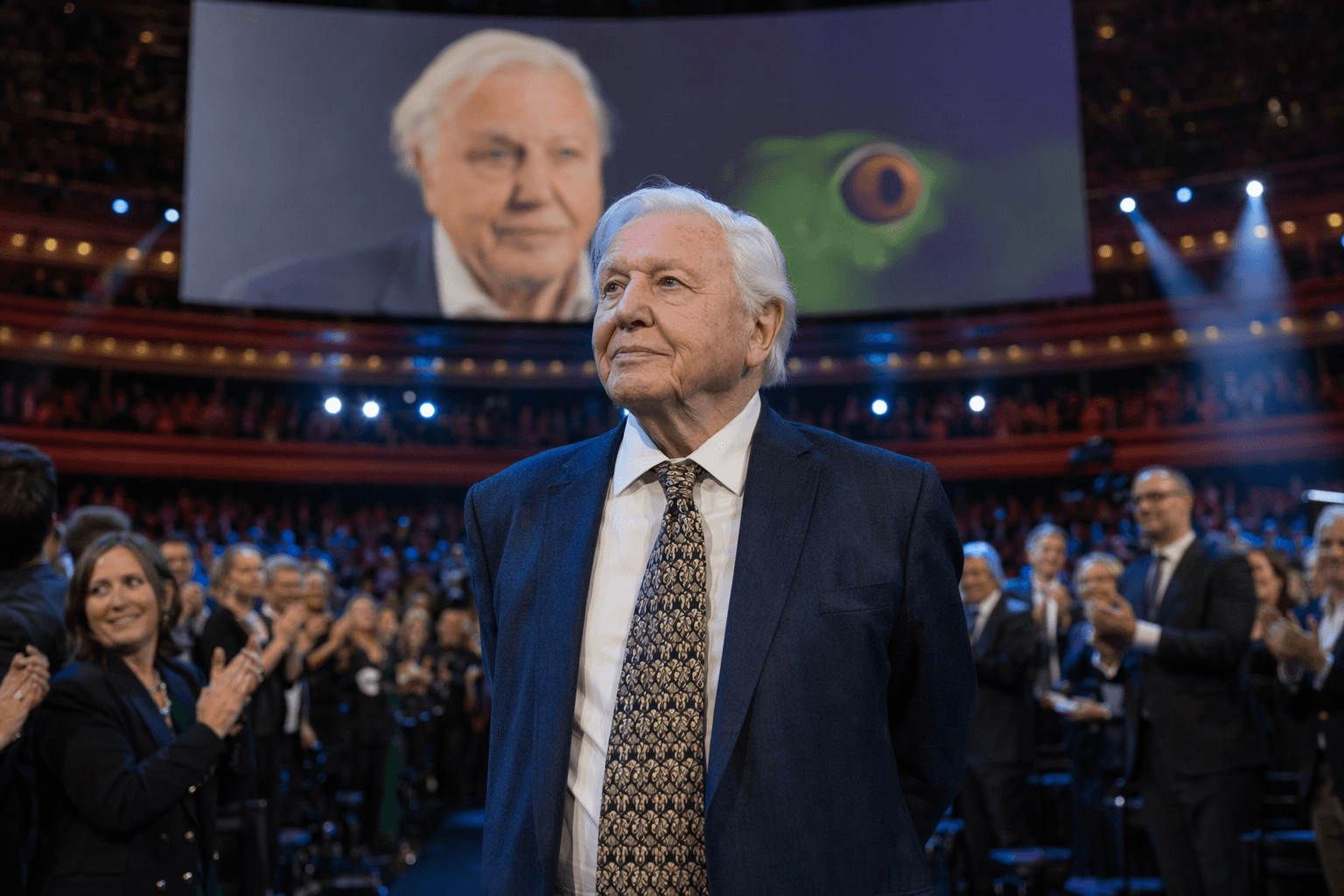
David Attenborough turned wildlife television into a form of public education, and the BBC is marking his 100th birthday with a live celebration at London’s Royal Albert Hall that doubles as a measure of his reach. The event, titled David Attenborough’s 100 Years on Planet Earth, brings together the BBC Concert Orchestra, music from his landmark series, and spoken reflections from public figures and conservation advocates.
Attenborough, born on 8 May 1926, began his BBC presenting career with Zoo Quest in the 1950s and went on to become the defining voice of series including Life on Earth, The Private Life of Plants, The Blue Planet, Planet Earth, Planet Earth II, Planet Earth III, Seven Worlds, One Planet, The Green Planet and A Perfect Planet. BBC archive material says Planet Earth took four years to make, a sign of the scale and ambition that came to define his work.
His influence was not only visual but intellectual. Attenborough paired spectacle with scientific accuracy, helping audiences understand evolution, animal behavior and biodiversity without losing the wonder of the images on screen. Gorillas, whales, frogs and entire ecosystems were not presented as distant curiosities. They became part of the everyday language of family television, shaping how generations thought about the living world and the damage it can suffer.
That legacy also evolved with the times. Attenborough became a more urgent voice on the climate crisis, ocean plastic and the consequences of human activity, moving from neutral observer to public advocate as the evidence grew harder to ignore. BBC descriptions of Blue Planet II say the series explores the issues behind its most spectacular stories, while A Perfect Planet reframes the natural world through the systems that make life possible. Those choices reflect a broadcaster willing to adapt his platform to a more politically charged environmental moment.
Alastair Fothergill, one of Attenborough’s longtime collaborators, has said Attenborough always insisted that the animals were the stars, not the presenter. That humility has long set him apart in a media culture often built around personality. Biologist Ben Garrod has argued that Attenborough helped people understand why life matters and why it must be protected, a view echoed by the scale of the birthday response, which left Attenborough “completely overwhelmed.”
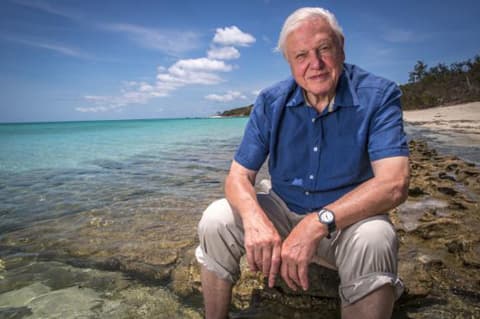
At 100, Attenborough’s importance is not confined to a birthday tribute or a single broadcaster’s history. He helped make nature filming a mainstream cultural force, gave environmental warnings a trusted human voice, and created a model of science storytelling that still carries weight in a fragmented media landscape.
This article was produced by Prism’s automated news system from verified source data, official records, and press releases, then run through automated quality and moderation checks before publishing. The system is built and supervised by the people who set the standards it runs under. Read our full AI policy.
Did this article answer your question?