BBC reporters pick the best moments from World Cup group stage
France and Spain set the pace, but the 48-team format has also put younger, lesser-known names like Gilberto Mora on the same stage as Messi and Mbappe.
As the first 48-team World Cup moves out of the group stage, the shape of the tournament has changed as much as the results. Seventy-two matches across the United States, Canada and Mexico have narrowed 48 teams to 32, and the expanded format has made room for both familiar heavyweights and new faces to leave a mark.
A bigger group stage, with more room for surprise
The 2026 World Cup is the largest in the competition’s history, with 48 teams playing 104 matches across 16 host cities. The group stage ran from June 11 to June 27, 2026, and the path into the knockout rounds is broader than before: the top two teams in each of the 12 groups advance, along with the eight best third-place finishers. That structure changes the stakes of every result, because a strong finish can still rescue a shaky start and keep more contenders alive for the Round of 32.
It has also shifted the conversation from simple survival to depth, resilience and rotation. Teams that can lean on a deep bench now have an edge over those that depend on one or two stars, while national sides with younger talent have had more chances to emerge from a crowded field. The group phase has not been defined only by elite quality or only by chaos. It has done something more interesting: it has widened the doorway enough for both established powers and fresh contenders to matter.
France look built for the long run
France drew the strongest backing from BBC Sport’s reporters, and it was easy to see why. Ian Dennis of BBC Radio 5 Live pointed to three straight wins, France’s first such group-stage run since they won the World Cup in 1998, while stressing that Didier Deschamps still has room to improve the side as the tournament grows harder. Deschamps is chasing a third successive World Cup final, a run that would underline just how durable this squad has become.
Phil McNulty, BBC Sport’s chief football writer, focused on the attack: Kylian Mbappe, Michael Olise and Ousmane Dembele, with Desire Doue or Bradley Barcola as further options, make France look loaded in the final third. He also highlighted William Saliba as one of the tournament’s best defenders and Adrien Rabiot as the sort of midfielder who connects the team without always taking the spotlight. McNulty saw France live twice, in New Jersey and Philadelphia, and came away convinced their blend of pace, skill and depth makes them difficult to stop.
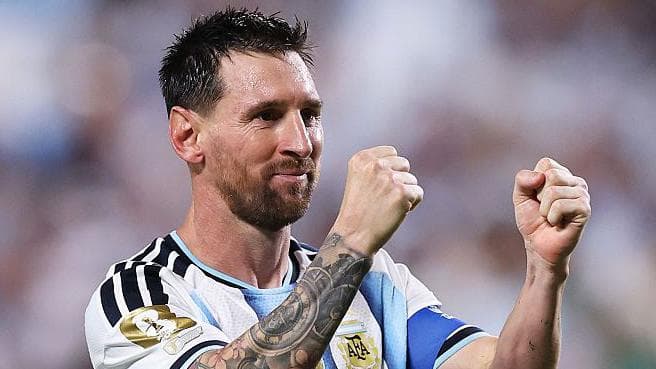
Alex Howell, BBC Sport’s England reporter, made the same broader point from a different angle. France, he said, have the best front three of the tournament and the squad depth to rotate as the competition wears on. Mbappe is already firing, and once he settled into rhythm, the feeling around France shifted from good to ominous.
Spain still look unfinished, which may be the warning sign everyone else needed
Liz Conway of BBC Sport kept faith with Spain, even while acknowledging that the team have not yet hit top gear. That matters in a tournament like this, because the expanded format rewards teams that can grow through the middle rounds instead of peaking too early and running out of fuel. Spain’s most dangerous version has not fully appeared yet, and that may be the most worrying detail for anyone hoping to meet them later on.
Their ceiling rises again with Lamine Yamal and Nico Williams returning from injury. Conway’s view is that this remains a long tournament, and Spain’s momentum could build rather than stall. She also pointed to the possibility of a semi-final against France, which would be one of the tournament’s defining tests if both teams continue on their current paths.
Messi still commands the spotlight, but Argentina are more than one man
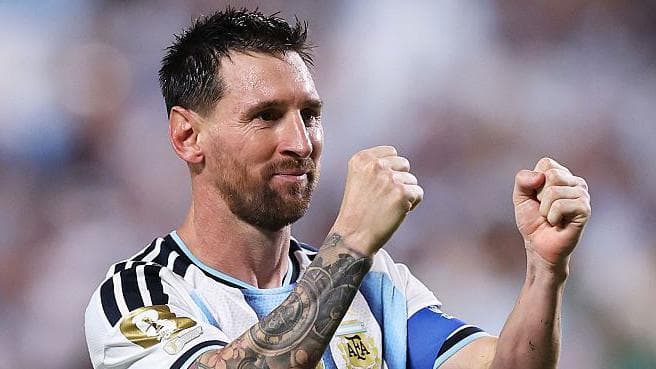
Lionel Messi’s numbers have been impossible to ignore. Gary Rose highlighted the Argentina captain’s six goals from three group-stage matches, a return that would command attention in any era and in any tournament format. Messi remains the headline act, but Argentina’s story is not reducible to one player, and that matters in a competition that now asks teams to stay sharp across more matches and more travel.
The broader point is structural as much as it is sporting. In a 48-team World Cup, a nation with multiple sources of attacking threat can absorb more variation across the group stage than a team that leans too heavily on a single match-winner. Messi’s scoring has done the obvious work of lifting Argentina, but the group phase has also shown how much the tournament now values layered squads rather than individual brilliance alone.
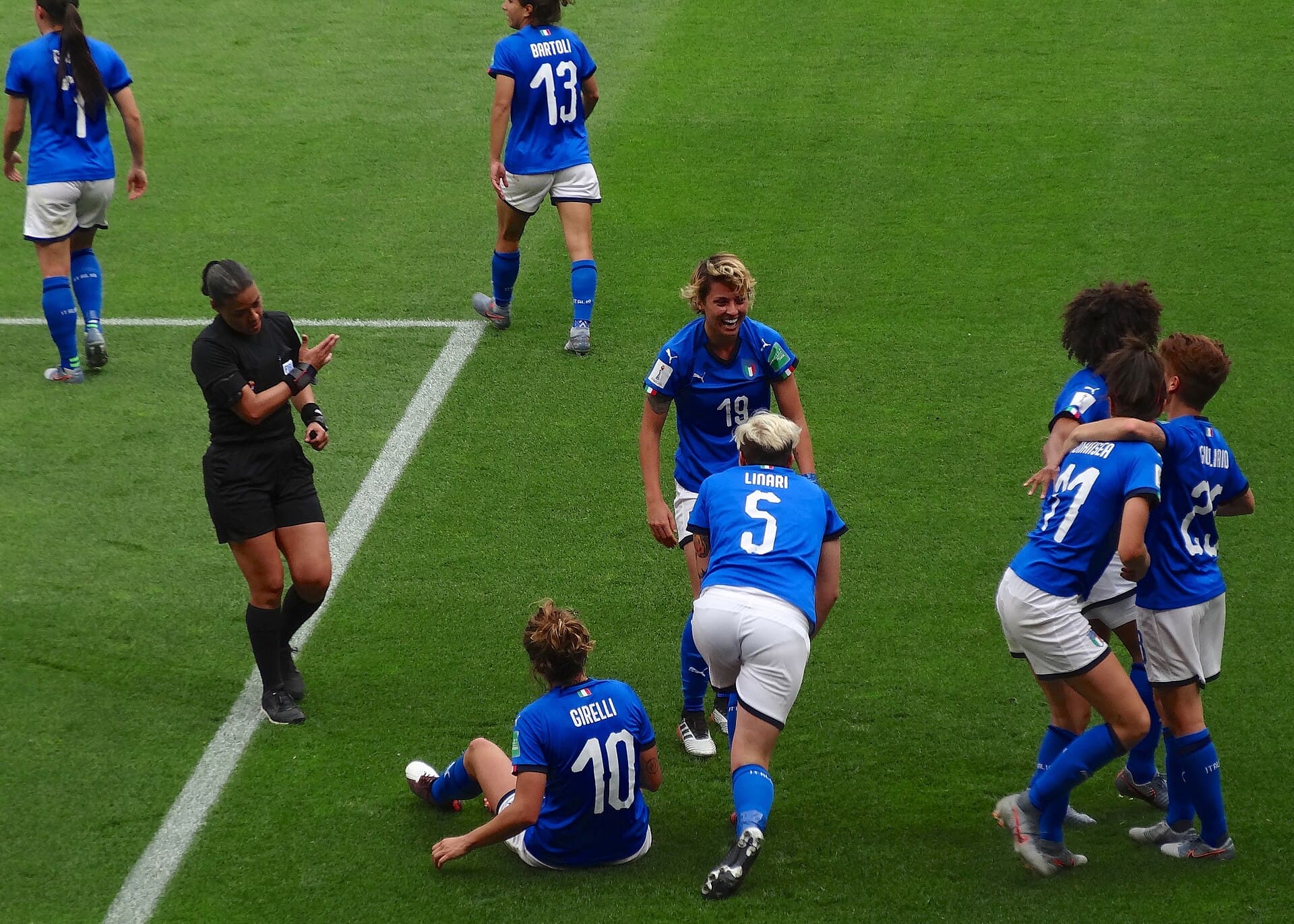
New names have forced their way into view
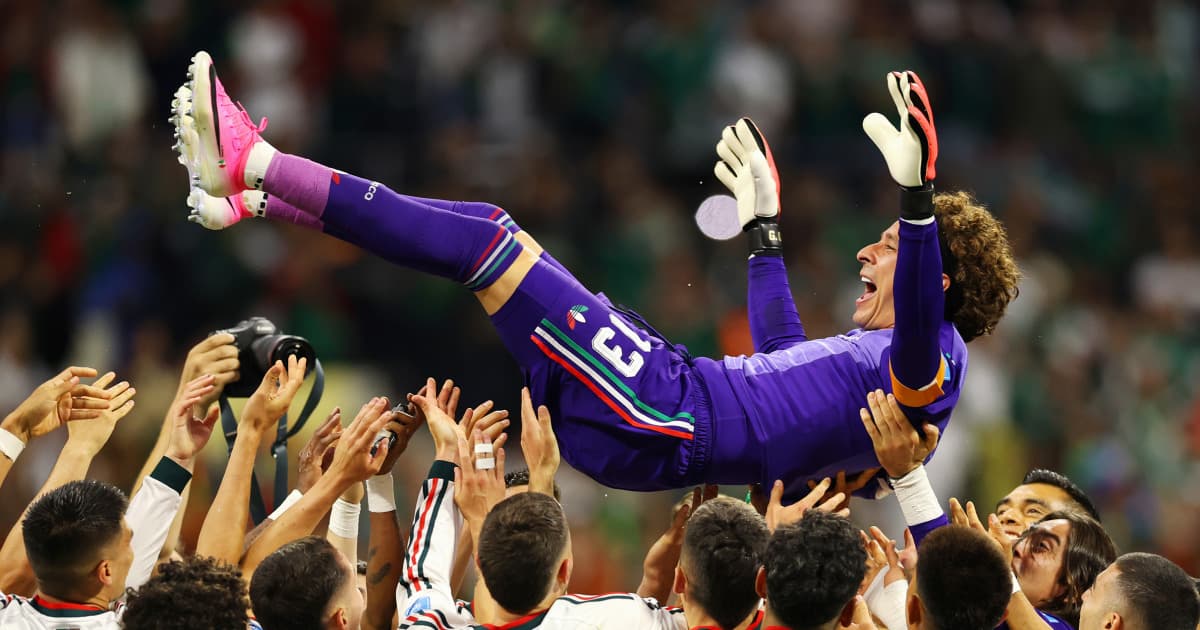
The expanded tournament has done more than preserve the status of global stars. It has also opened a lane for younger players to appear on the world stage earlier than they might have in a smaller field. FIFA’s group-stage statistics recorded Mexico forward Gilberto Mora, at 17 years and 240 days, as the sixth-youngest player ever to appear in a World Cup. That kind of debut is more than a trivia note in this format. It is evidence that a larger tournament can accelerate the visibility of a new generation.
That matters in Mexico as a host nation and across the broader region, where a teenager earning a World Cup appearance can carry meaning well beyond the field. It speaks to the kind of stage this tournament has become: one where established powers still dominate the conversation, but where a player like Mora can step in and become part of the story immediately.
What the new format has actually changed
The clearest effect of the expanded World Cup is not that every group has been upset by chaos, or that the quality has vanished. It is that the tournament has become more elastic. With 32 of 48 teams advancing, a bad game no longer ends the dream as quickly as it once did, and that has changed the rhythm of the group stage. It gives the biggest squads more time to settle, while also giving emerging teams and young players a real chance to survive long enough to matter.
That is why the group phase has felt both broader and more familiar. France still look like a contender built for the final week. Spain still look like a team with another gear. Messi still bends attention around himself. Yet the tournament’s new scale has made room for players like Gilberto Mora, for nations still finding their best form, and for a Round of 32 that begins with far more possibilities than the old format allowed.
This article was produced by Prism’s automated news system from verified source data, official records, and press releases, then run through automated quality and moderation checks before publishing. The system is built and supervised by the people who set the standards it runs under. Read our full AI policy.
Did this article answer your question?