BBC Sport Experts Pick Their England World Cup Starting XIs
England haven't won the World Cup since 1966, but a striking stat from this Premier League season suggests Tuchel may have a dead-ball weapon rivals won't be prepared for.

Somewhere between debating whether Harry Maguire deserves a starting berth and arguing over who plays behind Harry Kane, a more revealing argument is quietly unfolding. BBC Sport's reporters have each pinned their names to an England starting XI ahead of this summer's World Cup, with Thomas Tuchel set to make the official call after one final fixture. But the real friction isn't which names make the list. It's what those names are being picked to do.
The Debate Behind the Debate
Every "best XI" conversation carries an invisible subtext about what England's football identity should be. For Tuchel, that question has a clear working answer. His attention to detail and pragmatic approach will shape England's strategy at this summer's World Cup, and the early evidence from this Premier League season points toward a specific tactical obsession: set-pieces.
This is not the marginal detail it once seemed. The deployment of dead-ball routines has become, as former England goalkeeper and BBC Radio 5 Live pundit Paul Robinson put it, "so apparent in the Premier League, not just used by so-called lesser teams." The implication is pointed. Set-piece mastery is no longer a crutch for teams short on technical quality; it is the chosen weapon of the division's finest.
Arsenal's Numbers Reframe the Conversation
The sharpest statistical challenge to any nostalgia-driven selection argument comes from the Premier League's current leaders. Arsenal have accumulated 61 goals in the league this season, with 21 of them, representing 34 percent of their total, coming directly from set-pieces. That figure alone dismantles the idea that structured dead-ball play is somehow beneath elite football.
Robinson is direct about what this means for England: "Look at the league leaders. Arsenal are famed for using it. Who is delivering those deadly corners and set-pieces for them? Declan Rice and Bukayo Saka."
Both players are at the heart of England's best XI debates too, and their club-level statistics carry weight that pure positional arguments cannot easily override.
The Stat That Challenges Every Nostalgia Pick
Here is the number that should give any England selector pause. Of Declan Rice's nine assists in all competitions this season, six have come from set-pieces. Bukayo Saka has recorded six assists this season, with five of them arriving from dead-ball situations. A third player, identified in the source material only as "James," mirrors Saka almost exactly: six assists in all competitions, five of them from set-pieces.
Taken together, these numbers present a case that is harder to ignore than any argument built on reputation or past tournament performances. The question "who deserves to start?" increasingly has a data-driven answer rooted in what players can produce not just in open play but from corners, free-kicks, and rehearsed routines. A midfielder or wide player selected for pedigree alone, but who contributes nothing from set-pieces, is leaving a measurable percentage of England's threat on the training ground.
The Aerial Weaponry Tuchel Has at His Disposal
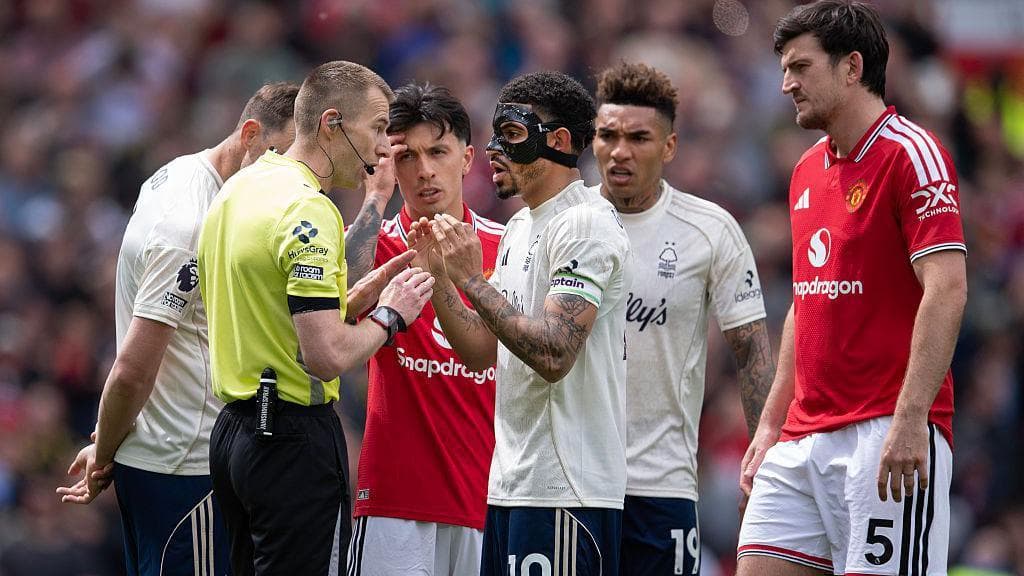
Selection decisions carry physical logic, too. Robinson points to the height and power England possess among its defensive options, singling out Newcastle United's Dan Burn and Manchester United's Harry Maguire as players capable of being effective at either end of the pitch in dead-ball situations. Both offer the kind of imposing physical presence that opposition defences must account for at corners and free-kicks.
In attack, Harry Kane remains the central aerial reference point, but the recalled Dominic Calvert-Lewin, returning to the England fold after a five-year absence, adds another dimension. Robinson believes these players represent the sort of potent force that Tuchel will aim to exploit directly. The combination of elite deliverers in midfield, with dangerous aerial targets in defence and attack, creates a system that is difficult to defend against with conventional zonal marking alone.
Robinson's Conviction, and the Purists' Objection
Robinson's argument goes further than tactical analysis. He is convinced that set-plays can play a major part in ending a barren run for the men's team stretching back to 1966's World Cup. Sixty years of tournament disappointment provides the emotional context behind every XI selection debate, and Robinson believes Tuchel's squad holds genuine tools to disrupt it.
"You then look at the aerial quality England possess, the ability and quality they have in those situations, and I'm not sure other countries will be prepared for it," Robinson said.
His case is made explicitly against the objections of those he calls "purists," the faction who resist the idea that set-pieces should be central to a major tournament strategy. Robinson believes this can be England's X-factor at the World Cup, irrespective of those who may sniff at such an approach. Tuchel, by Robinson's assessment, will not be reluctant to use every tool available if it means achieving what he was appointed to do: win the World Cup.
What Selection Really Reveals About England's Pipeline
The BBC Sport reporters' individual XIs will inevitably differ on players in wide positions, second strikers, and which defensive pairings to trust. But the more significant picture emerging from this exercise is about how England picks for a purpose, rather than picking for prestige.
Workload management has already shaped the squad's recent dynamics: Tuchel rested Saka, Rice, and Kane entirely for the Uruguay fixture at Wembley, treating these final pre-tournament friendlies as controlled auditions for the fringe rather than rehearsals for the first XI. That discipline in managing minutes reflects the same calculated approach Robinson identifies in Tuchel's tactical thinking.
The expert disagreement worth watching is this: whether Rice and Saka's set-piece value alone justifies building England's entire attacking structure around their delivery, or whether it risks making England predictable to well-prepared opponents who have done their own data homework. That tension, between exploiting a proven strength and being neutralised because it has become too well signalled, is the genuine fault line inside the "best XI" debate. England's squad have the physical and technical profile to execute the plan. Whether that plan survives contact with the tournament's best defensive coaches is the question that no XI on paper can yet answer.
Know something we missed? Have a correction or additional information?
Submit a Tip