BBC Sport names 20 breakout stars to watch at 2026 World Cup
Teenagers are set to shape the biggest World Cup yet, and these 20 names show how a breakout can become a national storyline.
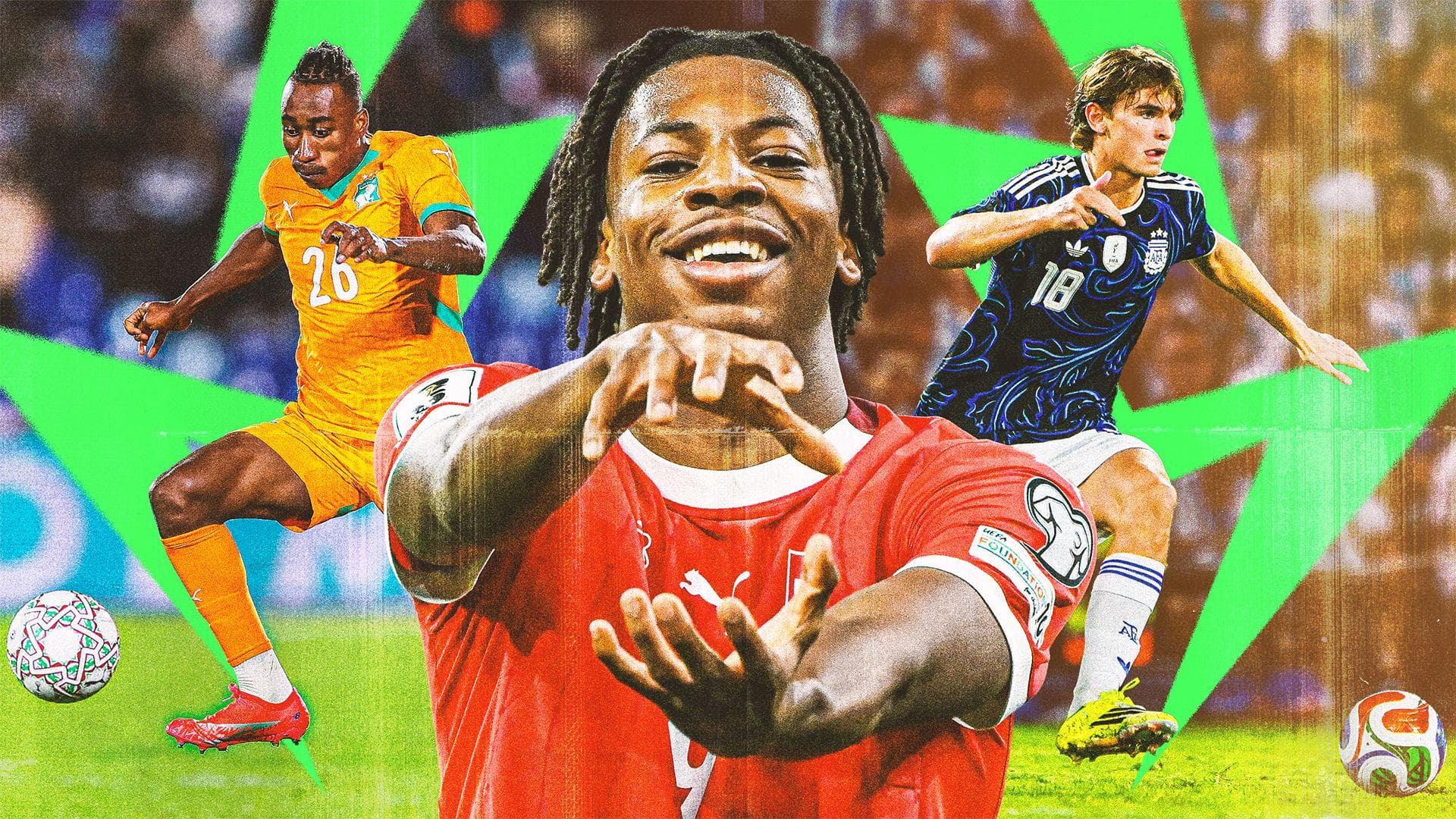
1. Gilberto Mora
Mexico gets the clearest proof that the expanded World Cup was built for surprise: FIFA says 48 teams, 104 matches and 891 first-time players will fill a tournament spread across 16 host cities in Canada, Mexico and the United States. Mora already carries a rare burden for a 17-year-old, because he is Mexico’s youngest senior player and the youngest goalscorer in Liga MX, so any breakout in front of home crowds could make him the country’s new reference point.
2. Hugo Sochurek
Czechia’s youngest World Cup squad member shows how quickly the country’s rebuild is leaning on new blood. A Sparta Prague midfielder still in his teens, Sochurek matters because every minute he earns would signal that Czechia is willing to trust a fresh generation in a group stage that includes Korea Republic, South Africa and Mexico.
3. Lennart Karl
Germany’s next household name may already be hiding in plain sight at Bayern Munich. Karl is listed by FIFA as an attacking midfielder or right winger, and his numbers at club level, five goals and five assists in 25 league appearances plus four Champions League goals, show why a breakout on the global stage would fit a country that still expects technical authority as standard.
4. Ibrahim Mbaye
Senegal’s teenager at Paris Saint-Germain matters because he represents the pipeline that keeps African heavyweights competitive against Europe’s deepest squads. FIFA says Mbaye will travel to North America, and his presence alongside Sadio Mane and other veterans makes him a useful barometer for how quickly Senegal can refresh its attack without losing ambition.
5. Hamza Abdelkarim
Egypt’s forward group already contains Mohamed Salah, Omar Marmoush and Trezeguet, so Abdelkarim’s value is as the next wave behind the established names. FIFA lists him in Egypt’s squad as a forward, and if he gets minutes, it will underline how the North African giant is trying to pair star power with succession planning.
6. Bara Sapoko Ndiaye
Senegal’s squad is not just about the old guard; FIFA also notes that Bara Ndiaye will travel to North America as one of the team’s teenagers. That matters because, in a squad that already includes Mbaye, the young midfielder reflects a deeper trend: Senegal are not merely bringing talent, they are stockpiling a future core.
7. Mladen Jurkas
Bosnia and Herzegovina’s 18-year-old goalkeeper is a reminder that breakout stories are not always about attackers. In a squad that still leans on veterans such as Edin Dzeko, Jurkas matters because any appearance from a teenager in goal would say Bosnia are thinking beyond this tournament and toward the next cycle.
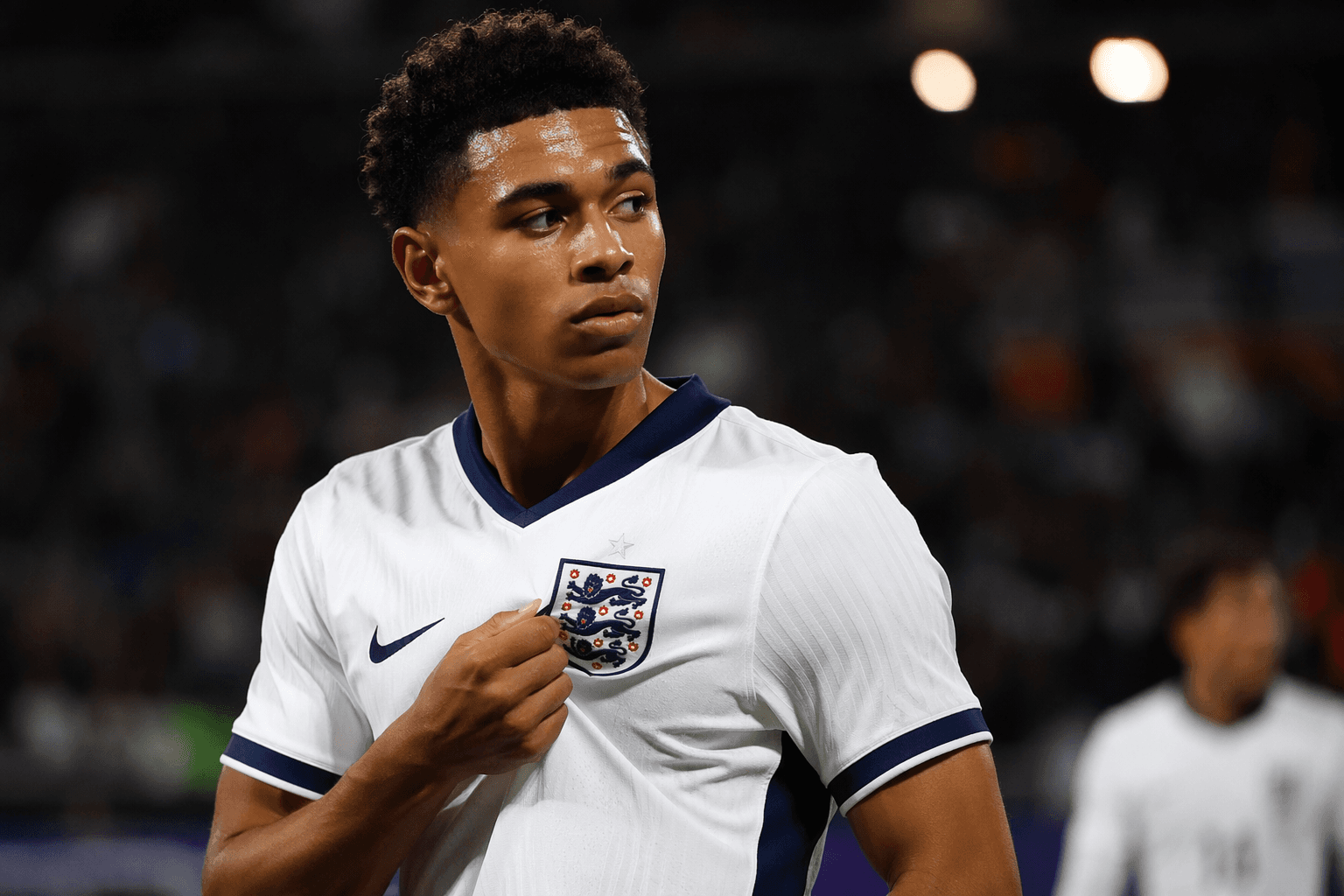
8. Ayyoub Bouaddi
Morocco’s 18-year-old Lille midfielder is one of the strongest symbols of the country’s post-Qatar depth. FIFA says Bouaddi could have represented France and that coach Mohamed Ouahbi was eager to keep the door open for him, so a strong World Cup would matter on two levels: it would reward Morocco’s talent-pulling power and strengthen a squad already loaded with elite experience.
9. Kerim Alajbegovic
Bosnia and Herzegovina’s teenage forward is part of a squad still built around experience, but that is exactly why he matters. A breakout from Alajbegovic would give Bosnia a fresh attacking outlet and tell the country that its next major cycle does not have to wait for the veterans to fade.
10. Rayan Elloumi
Tunisia’s forward comes into a much-changed squad under Sabri Lamouchi, which makes him more than just a roster note. If Elloumi breaks through, he becomes proof that Tunisia can blend tactical reset with youthful risk, a useful combination for a side aiming to outlast better-known group rivals.
11. Lucas Herrington
Australia’s youngest squad member matters because the Socceroos have not always had the luxury of blooding youth at the biggest stage. FIFA lists Herrington as a defender, and in a team that has mixed experience with fresh faces, any minutes he earns would suggest Australia are trying to modernize the back line rather than simply survive through it.
12. Behruzjon Karimov
Uzbekistan’s debut World Cup appearance gives every youngster added weight, and Karimov’s inclusion is part of that historic frame. FIFA says the White Wolves are making their maiden tournament run under Fabio Cannavaro, so a young defender stepping into that setting would symbolize not just selection, but the start of a national football identity on the world stage.
13. Lamine Yamal
Spain’s teenage star is no longer framed as a prospect, but as a player who can define a tournament. FIFA says the Barcelona winger is already a leading figure for club and country, and his age-defying record haul means a World Cup surge could push Spain from contender to benchmark again.
14. Kendry Paez
Ecuador’s attacking midfielder gives the country a face for a more ambitious era. FIFA says Paez is already tied to Chelsea and currently on loan at River Plate, and because he debuted for Ecuador at 16 and scored as the youngest-ever goalscorer in CONMEBOL qualifying, a breakout in North America could cement La Tri’s move from underdog status to genuine threat.
15. Tyler Fletcher
Scotland’s youngest player in the field matters because the squad itself is built on a stark age contrast. FIFA’s squad notes place 43-year-old Craig Gordon alongside Fletcher, so even limited minutes for the teenager would be a signal that Scotland are trying to widen the pipeline around their established core.
16. Luka Vuskovic
Croatia’s 19-year-old centre-back is the kind of defender who can change a national conversation. FIFA describes him as a rising defensive star at Hamburg, and with seven goals in 28 league matches on loan at Westerlo plus praise from Zlatko Dalic, he represents the modern centre-back trend: calm on the ball, dangerous on set pieces and ready to inherit a legacy.
17. Pau Cubarsi
Spain’s other defensive jewel matters because he shows that La Masia still produces more than glamour attackers. FIFA says Cubarsi is already central to Barcelona’s build-up play and has more than 135 club appearances despite being 19, so a commanding tournament would reinforce Spain’s identity as a team built from the back.
18. Yan Diomande
Ivory Coast’s winger arrives with the sort of North American familiarity that can matter in a summer tournament. FIFA says he has gone from rough diamond to gleaming gem in the past year and a half, while BBC-linked coverage notes his 21 goal contributions in 33 Bundesliga appearances, his Florida years and his return from a shoulder injury, all of which make him a potential breakout who could reshape how the Elephants are viewed.
19. Rayan
Brazil’s latest gem is more than a hype story, because his route runs straight through Vasco da Gama and into the senior national team. FIFA says the Bournemouth forward earned his first Brazil call-up at 19, and a breakout at the World Cup would sharpen Brazil’s ongoing search for the next forward who can carry the shirt without waiting for permission.
20. Endrick
Brazil’s other teenage headline act is now in a career-defining reset with Lyon, and that makes the World Cup a measuring stick rather than a coronation. FIFA says the Real Madrid loanee is trying to win back his Brazil place after injuries, so if he explodes in North America, Brazil’s attacking future could suddenly look much less uncertain.
This article was produced by Prism’s automated news system from verified source data, official records, and press releases, then run through automated quality and moderation checks before publishing. The system is built and supervised by the people who set the standards it runs under. Read our full AI policy.
Know something we missed? Have a correction or additional information?
Submit a Tip