BBC Sport spotlights the standout kits ahead of the 2026 World Cup
The 2026 World Cup’s shirt story is really about identity, scale and sales, with 48 teams and three host nations turning kits into global symbols.
A bigger stage for national identity
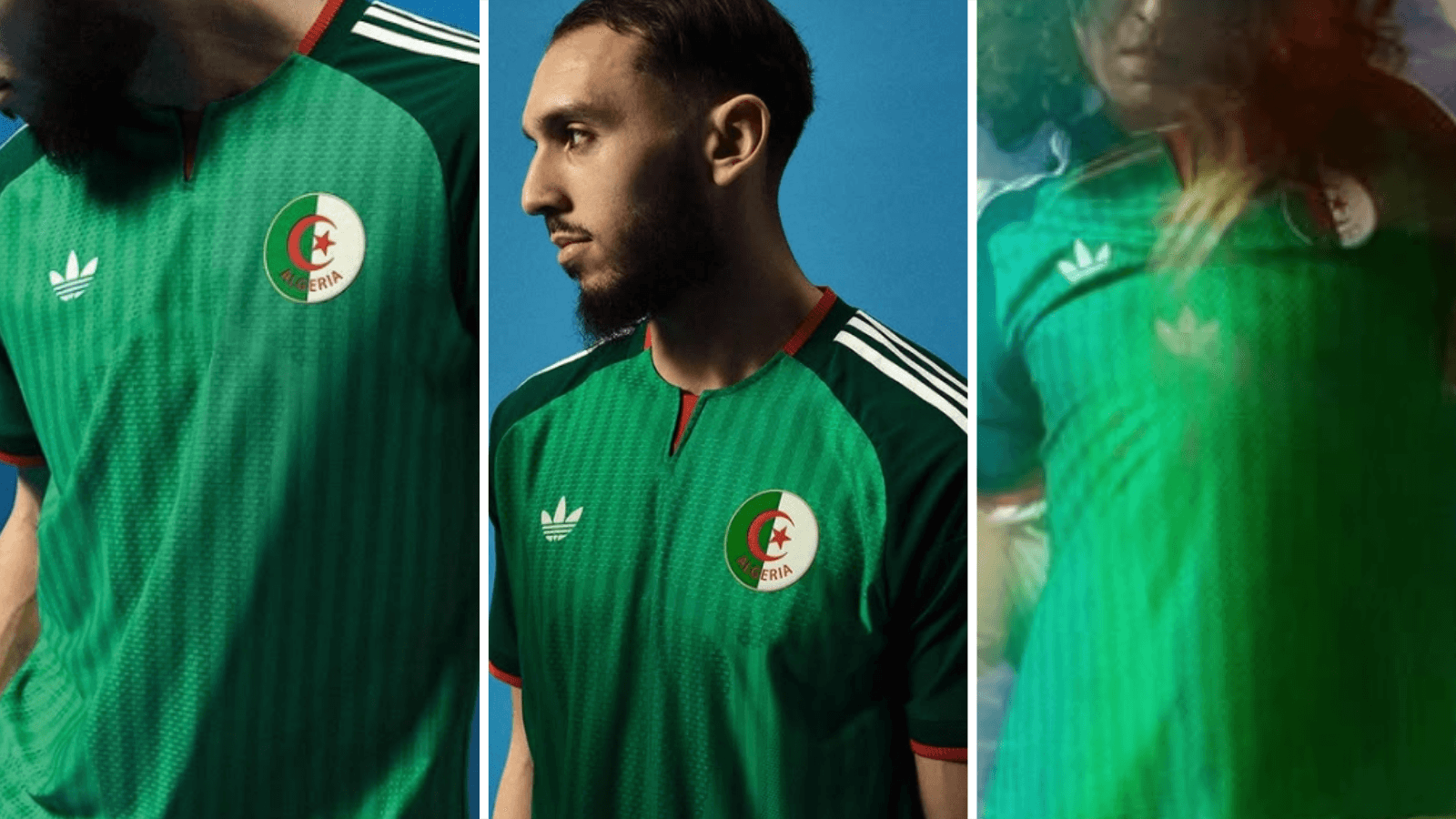
The World Cup shirt battle is already underway. BBC Sport has highlighted some of the most interesting kits set to appear this summer, and the appeal goes well beyond fashion: in 2026, every shirt will help tell a country’s story on football’s largest stage.
That matters more than ever because the 2026 FIFA World Cup is the 23rd edition of the tournament, the first to feature 48 teams, and the first to be shared by Canada, Mexico and the United States. With the opening match scheduled for Thursday, 11 June 2026, and the final set for Sunday, 19 July 2026, the tournament will unfold across 16 host cities and 104 matches, a scale that turns kit design into a much bigger branding exercise than in past editions.
Why the shirts carry so much weight
A national team kit is never just a uniform. It is one of the most visible pieces of a federation’s identity, and at a World Cup it becomes a shorthand for history, politics, style and belonging. That is why designs from Nike, adidas and PUMA generate so much attention: a shirt has to work on television, in the stands, on social media and on the merchandise rack.
The expanded format raises the stakes further. With more teams than ever on display, there are more crests, colour palettes and design references competing for attention, and more room for debate around heritage and reinvention. A strong shirt can feel instantly recognisable in a stadium or on a broadcast graphic; a weak one can disappear into the noise of a long tournament.
The tournament is also a merchandising machine
The commercial logic is hard to miss. FIFA’s confirmed list of qualified teams and host cities means the tournament already has a fixed global frame, and that frame gives federations and manufacturers months to sell the story of their kits before the first whistle. When a design lands, it can travel far beyond the pitch and become a retail item for supporters who may never attend a match.
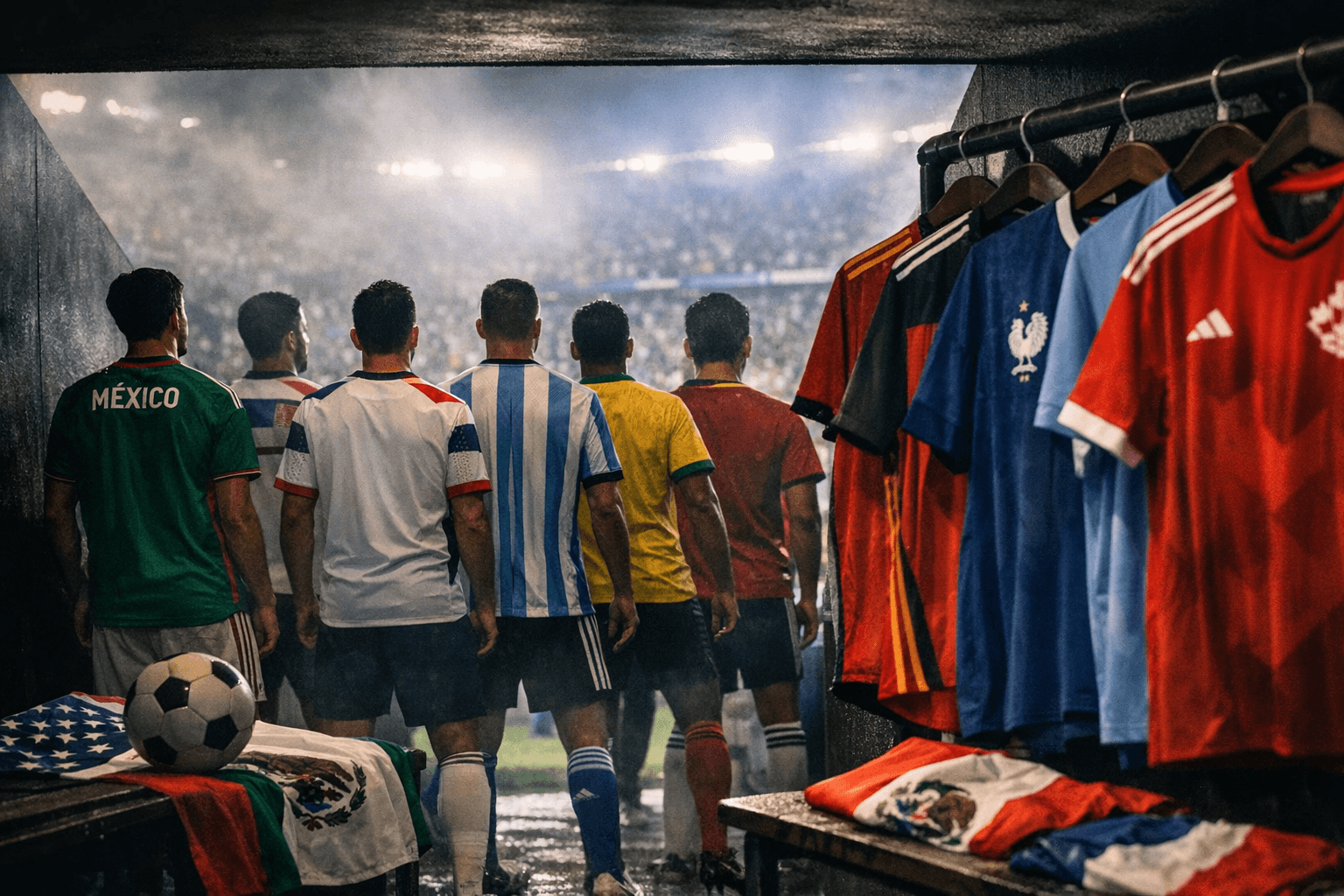
That is why the pre-tournament kit conversation has become so lively. BBC Sport’s spotlight sits inside a wider wave of coverage from football and mainstream outlets, many of which have been ranking, cataloguing and debating new releases as teams unveil them. In practical terms, the shirt launch has become one of the first commercial milestones of the tournament cycle, long before the football begins.
What makes a World Cup kit resonate
The shirts that stick usually do three things at once. They look modern enough to feel current, they carry an obvious link to national identity, and they are simple enough to survive repeated viewing across a month-long tournament. That balance matters even more in 2026, when 104 matches will put every visual detail under constant scrutiny.
A resonant kit also needs emotional clarity. Fans respond when a design feels rooted in something familiar, whether that is a flag colour, a classic collar, a striping pattern or a reference that signals continuity with a country’s football history. At the same time, manufacturers want the shirt to feel fresh enough to drive sales, which is why the strongest designs often sit between nostalgia and novelty rather than leaning too hard in either direction.
North America adds its own visual story
This World Cup will be unlike any previous edition in how it is framed geographically. It is the first to be held in June and July across three countries in North America, with matches spread from Mexico City to New York/New Jersey and other host cities across Canada, Mexico and the United States. That gives the tournament a distinct regional identity, one that will be visible not only in the stadiums but in the shirts themselves.
FIFA has also leaned into that tri-nation identity through its official mascots: Maple the Moose for Canada, Zayu the Jaguar for Mexico and Clutch the Bald Eagle for the United States. Taken together with the host-city spread, those symbols reinforce the idea that the 2026 tournament is not just larger, but more visibly distributed across different cultures, climates and football traditions.
A design conversation with a potential twist
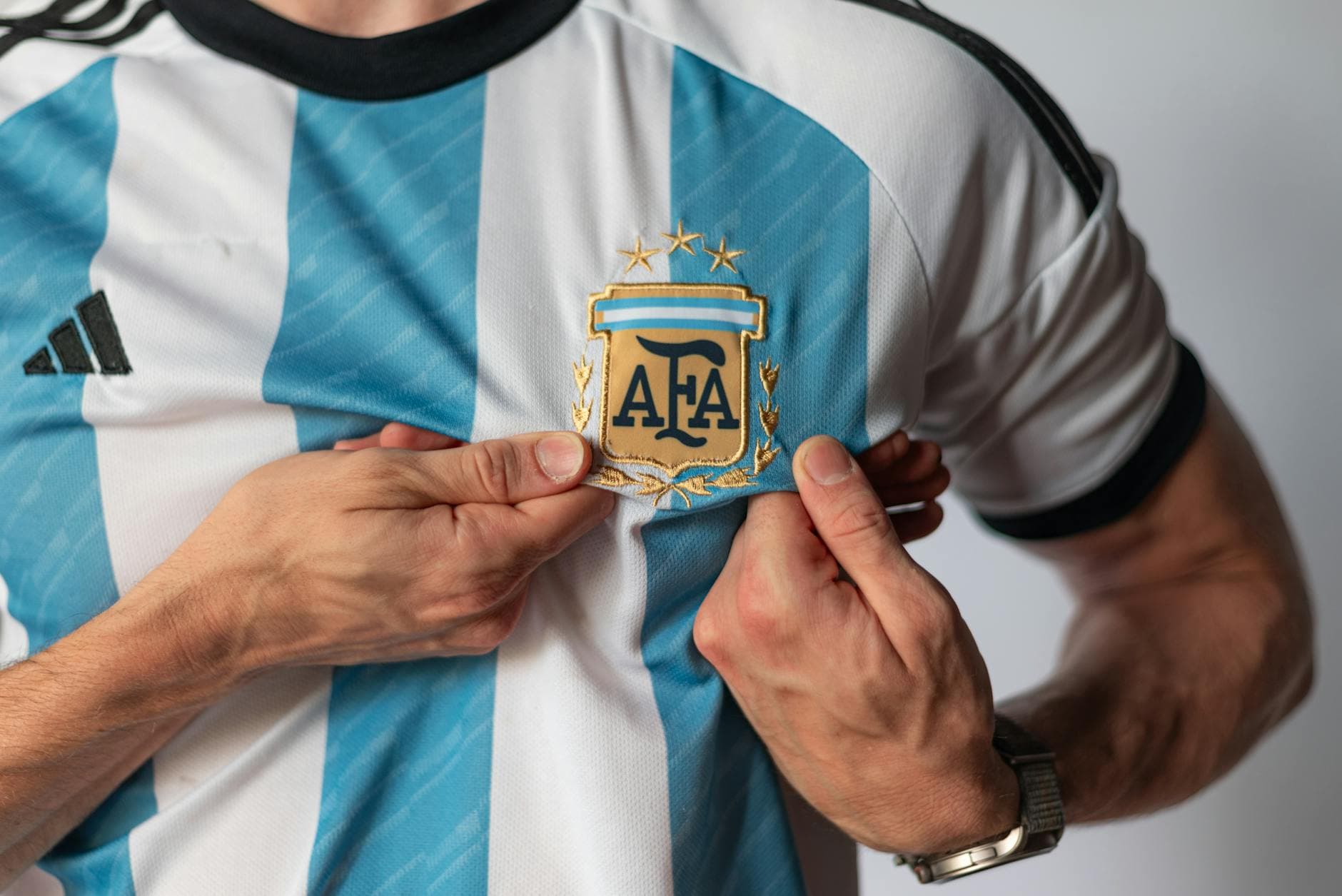
The kit debate may also be complicated by a reported Nike issue involving World Cup shirts, including England’s. Even without more detail, the possibility of a design or production problem adds another layer to the conversation, because kit launches are not only judged on aesthetics but on execution, timing and reliability.
That is part of what makes this cycle so revealing. The more central kits become to the pre-tournament narrative, the more they reflect how federations and manufacturers manage image, trust and expectation. A shirt that wins support can strengthen a federation’s brand before a ball is kicked; a shirt that misses the mark can become a distraction.
The real measure of a standout kit
By the time the tournament opens on 11 June, the best shirts will already have done their most important work. They will have persuaded supporters that they belong to the country they represent, helped manufacturers sell the dream of the tournament, and given broadcasters and fans a visual identity that is easy to recognise in a crowded field.
That is why BBC Sport’s kit spotlight feels so timely. In a World Cup that is bigger in teams, matches, host cities and commercial reach, the most resonant shirts will not simply look good. They will help define how nations present themselves to the world.
This article was produced by Prism’s automated news system from verified source data, official records, and press releases, then run through automated quality and moderation checks before publishing. The system is built and supervised by the people who set the standards it runs under. Read our full AI policy.
Did this article answer your question?
.jpg&w=1920&q=75)