Beach tennis surges across the Hamptons with summer clinics
Beach tennis is growing across the Hamptons, with clubs and pop-ups offering clinics, social play, and easy entry points for new players. Learn where to play, what gear to bring, and how to get started.
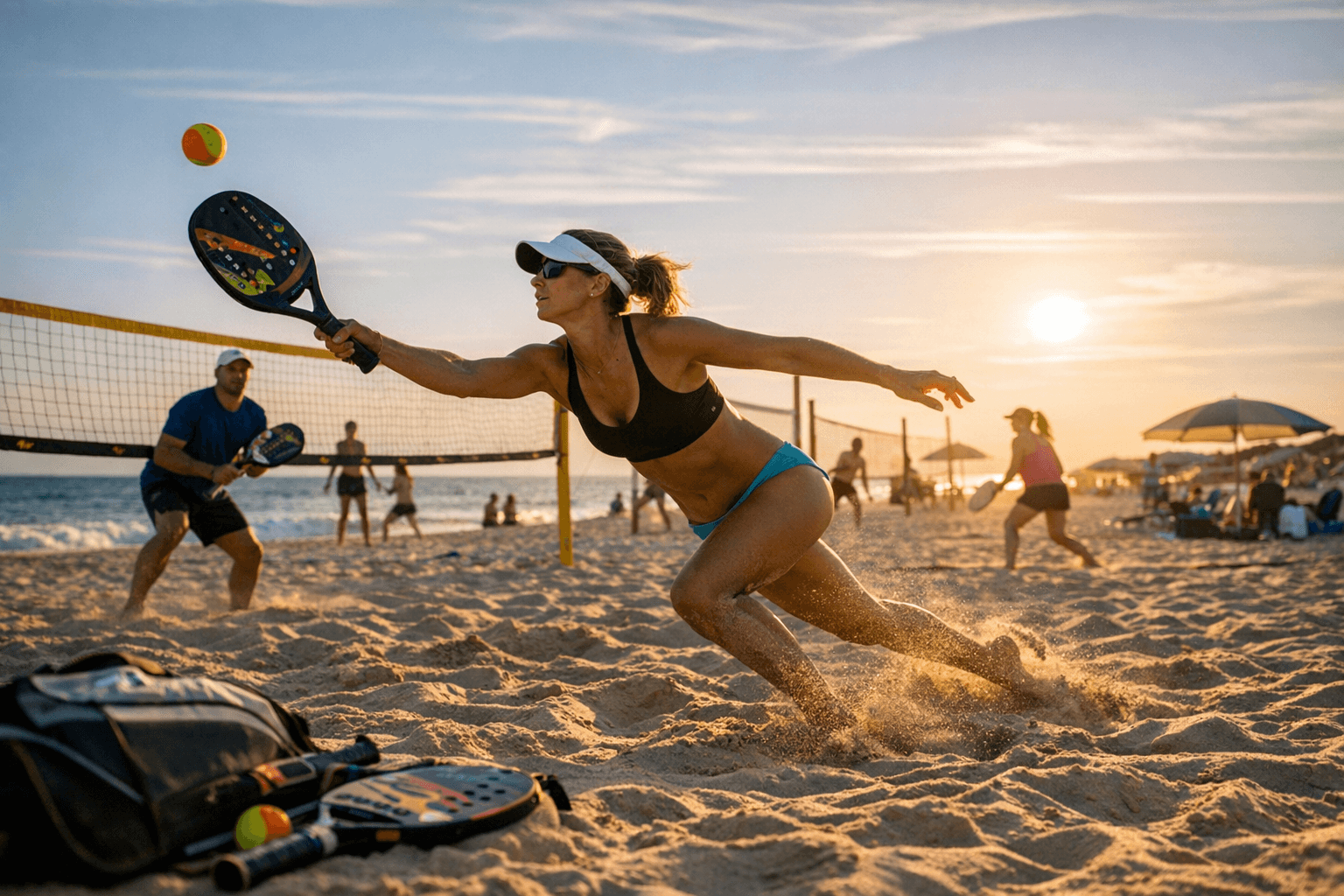
Beach tennis is moving from novelty to neighborhood staple in the Hamptons, with local clubs, pop-up charity events, and social mixers adding regular play to the summer calendar. The sport’s doubles-first, volley-oriented format and low equipment barrier make it an accessible summer alternative to court tennis, and organizers are seeing steady interest from juniors and adults looking for a faster, more social on-sand game.
The basics are simple and community friendly: teams of two are standard, and the no-bounce rule means every ball must be struck before it hits the sand. That keeps rallies airborne, rewards aggressive net play, and puts a premium on serve placement, overheads, and quick volley exchanges. Serves are taken from behind the baseline and, depending on local rules, may be underhand or overhand; many sessions use a single serve with no-ad scoring to keep play moving. Scoring can follow conventional tennis points or simplified first-to-six game formats with tiebreakers agreed in advance.
If you want to try beach tennis in the Hamptons, check club calendars at local operators such as Hampton Racquet, Sportime/Sportime Amagansett, and East Hampton Indoor Tennis, and watch community event pages for weekend pop-ups and charity matches. Clubs run seasonal clinics and host social play, while nightlife-adjacent sports socials and charity fundraisers often add casual weekend drop-in sessions. You can also set up a portable net on permitted sand or lawn areas, but confirm local beach rules and permit requirements before hauling gear.
Beginner gear is straightforward. Use a light, solid-face perforated paddle made from carbon or composite materials and try demo paddles before buying to match grip and feel. Stage 2 or mid-compression tennis balls lengthen rallies and are easier on the arm than standard tour balls. Beach tennis nets are lower than volleyball nets, about 1.7 to 1.8 meters high, and many portable net kits are designed for easy set up and takedown. Wear breathable athletic clothes, protect skin with sunscreen and a hat, hydrate frequently, and plan sessions for morning or late afternoon when sand temperatures are kinder. Most people play barefoot, though sand-specific footwear is an option.
For coaching and quick progress, start with clinics that emphasize volleys, serve placement, and sand footwork. Focus drills on aerial control, overheads, short approach volleys, and crosscourt positioning. A simple month plan works well: week one on fundamentals and short practice sessions; weeks two and three on small-sided points and teamwork; week four to try a social mixer or low-level tournament and apply skills under match pressure.
Want gear or demos? Local pro shops and racquet stores on the East End stock paddles and Stage 2 balls and can often order or demo equipment. Always tidy up after play, respect beach closures, and leave sand as you found it so clubs and towns keep permitting play.
Our two cents? Try one clinic, demo a paddle, and bring a friend. You’ll learn volley patterns faster on sand than on court, and the social, fast-paced nature of beach tennis makes it a great way to sharpen net skills while enjoying summer on the East End.
Know something we missed? Have a correction or additional information?
Submit a Tip